Building Farm: Revolutionizing Modular Construction for Global Needs
Nov . 30, 2025 15:00 Back to list
Building Farm: A Modern Solution Shaping Global Infrastructure
When you first hear “building farm,” what crosses your mind? For many, it might sound like agricultural land dotted with greenhouses or barns. But in today’s fast-moving construction world, a building farm refers to something much more industrial and innovative—a large-scale production facility dedicated to prefabricating modular buildings. This method is rapidly transforming how we think about housing, commercial space, and temporary settlements worldwide.
Why should you care? Because with urban populations booming and climate crises triggering more frequent disasters, having scalable, efficient, and cost-effective building solutions is a global priority. Understanding building farms not only unlocks insight into cutting-edge construction methods but also reveals a tool essential in humanitarian aid, industrial development, and sustainable architecture.
The Global Context: Why Building Farms Matter Now
Urbanization statistics from the United Nations reveal that by 2050, nearly 68% of the world’s population will live in cities (1). Accommodating this surge demands new infrastructure models beyond traditional on-site construction, which is slow, labor-intensive, and often costly. Enter building farms—a concept that aligns with industrialization trends seen in manufacturing and tech sectors.
But there's more. The World Bank reports that climate-related disasters cause billions in damages yearly and displace millions (2). Swiftly deploying resilient, habitable structures in disaster zones is an urgent challenge. Building farms, with their controlled environments and pre-assembled modules, improve speed and reliability in these critical situations.
So, in real terms, building farms are pivotal not just for economic growth but for social stability and humanitarian responses. They offer the balance between scale, quality, and speed—a holy grail in modern infrastructure planning.
What Exactly Is a Building Farm?
In the simplest terms, a building farm is an off-site manufacturing facility where modular building components are fabricated under controlled conditions and then assembled on location. Think of it like a "factory" for houses or offices, where instead of raw materials arriving piecemeal at a construction site, finished or semi-finished modules arrive ready to connect like giant Lego pieces.
This process contrasts with traditional building methods that construct everything—foundations, walls, roofs—directly on-site. The building farm approach boosts consistency, cuts weather-related delays, and reduces labor demand on-site.
Interestingly, building farms tie closely with humanitarian efforts; modular homes produced rapidly can house displaced persons or workers in remote zones where conventional labor forces and materials are scarce.
Core Components of a Building Farm
1. Durability
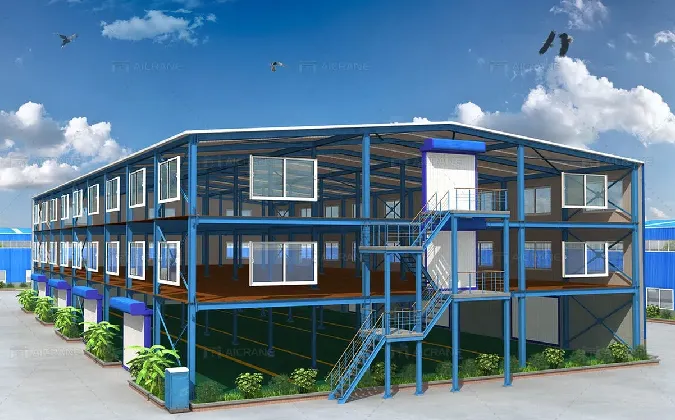
Modules from building farms often use steel frames or reinforced composites, designed to endure harsh environments and frequent transportation. This ensures structures maintain integrity over years, even decades, with minimal maintenance.
2. Scalability
The factory setup allows mass production of uniform building units, easily customized and combined to suit expanding urban layouts or temporary camps. If demand spikes, you ramp up production instead of scrambling for more labor or materials onsite.
3. Cost Efficiency
By standardizing components and assembly techniques, building farms cut waste, reduce time-to-occupancy, and lower overall expenses. Bulk purchasing of materials and reuse of tooling further improve margins—something every project manager values.
4. Speed of Deployment
Since critical steps like framing, insulation, and finishing happen simultaneously off-site, the total project lifecycle shrinks markedly. Critical when housing sudden disaster victims or launching industrial sites quickly.
5. Environmental Sustainability
Factories optimize material usage, limit construction waste, and can incorporate green technologies more seamlessly—solar panels or efficient HVAC units included during manufacturing rather than retrofitted.
6. Quality Control
Consistent inspection protocols within building farms ensure higher quality standards than the variable conditions onsite, where weather or human error can often play spoilsport.
Mini takeaway: Building farms blend speed with quality, making them practical, sustainable, and scalable—qualities deeply needed in today’s construction challenges.
How Building Farms Are Shaping Real-World Projects
Across the globe, the practical uses for building farms are multiplying rapidly. In Asia’s booming cities, entire residential neighborhoods emerge from modular factories. For example, Singapore’s Housing Development Board leverages modular production to meet housing shortfalls faster and more affordably.
Post-disaster relief scenarios benefit enormously. After earthquakes or hurricanes, organizations like the Red Cross collaborate with building farm operators to deliver temporary shelters that match local standards yet arrive far faster than conventional builds.
In remote industrial zones—like mining sites in Australia or oil fields in Canada—the modular camps assembled from building farm components provide comfortable, reliable living quarters for workers, with minimal onsite construction disturbance.
Even educational and healthcare sectors are joining the revolution. Modular classrooms and clinics, prefabricated off-site, can be deployed swiftly to underserved rural or crisis-hit regions, extending crucial services without years-long waits.
| Specification | Typical Range | Notes |
|---|---|---|
| Module Size | 20 - 40 ft (length) | Varies for room or office size |
| Material | Steel frame, Composite panels | For durability and insulation |
| Assembly Time | Weeks (off-site), Days (on-site) | Dependent on scale |
| Lifespan | 20+ years | With maintenance |
| Sustainability Features | Recyclable materials, Solar-ready | Varies by vendor |
Mini takeaway: Building farms aren’t theoretical—they’re powering communities, reviving disaster zones, and changing industrial landscapes.
Weighing the Benefits: Why Building Farms Win in the Long Run
- Cost Savings: Reduced labor and material waste translate into meaningful project budget relief.
- Speed: Faster builds mean quicker occupancy, which is invaluable in both commercial and humanitarian contexts.
- Reliability and Quality: Factory conditions reduce variability and elevate construction standards.
- Sustainability: Less waste, better energy use, and recyclable materials offer environmental benefits in long-term urban planning.
- Human Impact: Safe, dignified housing fosters community resilience, especially after disasters.
Frankly, the combination of faster delivery, cost-effectiveness, and environmental gains makes building farms an innovation worth celebrating.
Emerging Trends and Innovations Shaping the Future of Building Farms
The industry is buzzing with change. Automation is increasingly taking over repetitive factory tasks, boosting precision and output. Additive manufacturing (3D printing) of building components is opening new design horizons while cutting material waste. And eco-conscious design standards are pushing building farms to integrate renewable energy and smart building tech into modules from the outset.
Digitally linking supply chain logistics and modular design software ensures tighter timelines and tailor-made structures that fit exactly the client’s needs. This digital transformation is pivotal for scaling building farms further with global demand.
Meanwhile, policy trends encouraging sustainable urban development and disaster preparedness are accelerating investments in modular building farms worldwide—a clear sign that these structures are no longer just a niche solution but a cornerstone of infrastructure strategy.
Common Challenges and Smarter Approaches
Despite their promise, building farms face real hurdles:
- Logistical Complexity: Transporting large modules requires specialized vehicles and permits.
- Regulatory Barriers: Different countries have varied building codes and certifications that modular producers must navigate.
- Perceptions: Some still view modular buildings as temporary or lower quality.
Experts suggest solutions such as investing in modular-friendly infrastructure, harmonizing international standards, and showcasing real-world success stories to change mindsets. Also, extending after-sales support and maintenance services builds trust, helping modular housing gain mainstream acceptance faster.
Frequently Asked Questions About Building Farms
- Q1: What makes building farm-produced modules better than traditional on-site buildings?
- Building farms offer controlled environments for superior quality, faster production cycles, and less weather-related delays. This results in more consistent, durable structures with reduced labor costs compared to traditional methods.
- Q2: How long can modular buildings from building farms last?
- With proper maintenance, modular buildings typically last 20 years or more. High-quality steel framing and durable materials ensure longevity comparable to traditional buildings.
- Q3: Are building farm modules eco-friendly?
- Yes. Many building farms prioritize sustainability by using recyclable materials, minimizing waste, and incorporating energy-efficient designs, which together reduce environmental impact.
- Q4: How do international NGOs source building farm modules for disaster relief?
- NGOs usually partner with specialized modular construction companies that handle design, fabrication, and logistics. They ensure compliance with local building codes and arrange swift shipping to affected regions.
Conclusion: The Promise and Potential of Building Farms
Building farms represent more than a trend—they are a fundamental shift in how we conceptualize construction at scale. Their capacity to speed up delivery, reduce costs, enhance quality, and promote sustainability makes them invaluable globally. Whether tackling housing shortages, rebuilding after disasters, or creating efficient industrial camps, the modular approach unlocks a future where adaptable, dignified shelter is more accessible.
Curious to see how building farms can transform your next project or support a humanitarian mission? Visit our website: building farm for detailed offerings and case studies.
Mini takeaway: The next time you think “building farm,” picture a factory humming with innovation—where future-ready buildings take shape far faster than ever before.
Vendor Comparison: Key Players in the Building Farm Industry
| Vendor | Modular Capacity per Month | Specialty | Sustainability Practices | Global Reach |
|---|---|---|---|---|
| Hongji Shunda | 500+ Modules | Residential & Industrial | High; solar integration, waste recycling | Asia, Europe, Africa |
| ModuBuild Systems | 300 Modules | Healthcare & Education | Moderate; eco-friendly materials | North America, Europe |
| EcoMod Factory | 400 Modules | Disaster Relief & Emergency Housing | Very High; zero waste, solar-powered | Global |
References
-
Complete Guide to Metal Garage with Apartment Cost and Budgeting
NewsApr.16,2026
-
Understanding Metal Garage Cost and Complete Investment Guide
NewsApr.09,2026
-
Understanding the Cost to Build a Metal Garage for Your Property
NewsApr.07,2026
-
Understanding the Cost of Metal Garage Building and Factors to Consider
NewsApr.04,2026
-
Understanding the Cost of a 20x30 Metal Garage and Key Considerations
NewsMar.31,2026
-
Understanding the Cost for Metal Garage Construction and Installation
NewsMar.28,2026
Products categories
Our Latest News
We have a professional design team and an excellent production and construction team.