Durable and Efficient Steel Structure Warehouses for Industrial and Humanitarian Use
Nov . 27, 2025 19:50 Back to list
Steel Structure Warehouses: The Backbone of Modern Storage Solutions
Steel structure warehouses have quietly become essential worldwide, yet many overlook their profound impact on industries and humanitarian efforts alike. At its core, this concept marries efficiency and robustness, helping businesses scale and respond to evolving storage needs. Whether it’s about hosting sprawling manufacturing parts or securely storing emergency supplies, understanding steel structure warehouses is key to unlocking smarter, faster, and more reliable operations.
Why Steel Structure Warehouses Matter Globally
When you look at global trade and industry statistics, there’s a clear surge in demand for durable, yet cost-efficient warehouse space. The World Bank reports that the manufacturing sector alone has grown by an average of 3.5% annually over the last decade, which means supply chains need scalable storage urgently. Plus, with the rise of e-commerce, the demand for quick, flexible distribution hubs is just skyrocketing. Steel structure warehouses answer these challenges head-on by offering rapid construction, adaptability, and long lifespans.
But even beyond commerce, these warehouses play a crucial role in disaster relief and global aid—think post-tsunami supply depots or vaccine cold storage in emerging countries where speed and resilience can save lives.
What Exactly Are Steel Structure Warehouses?
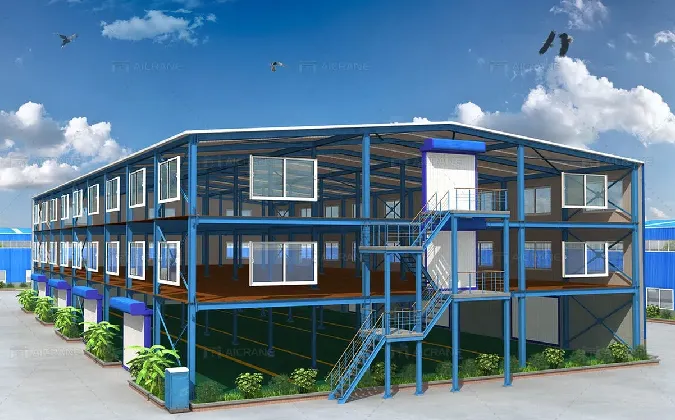
Simply put, steel structure warehouses are storage buildings predominantly built using steel frames instead of traditional bricks or concrete. This makes them lighter, stronger, and faster to assemble. The “skeleton” of the structure is high-grade steel beams and columns that support walls and roofs made from metal sheets or insulated panels.
Modern industries love them because they can be custom-fitted for everything from heavy equipment storage to temperature-controlled environments. Plus, they align perfectly with current sustainability goals — steel is recyclable and often uses less raw material than conventional constructions.
Core Components of Steel Structure Warehouses
Durability and Strength
Steel naturally offers excellent resistance to extreme weather — wind, snow loads, and even seismic activity. That means steel warehouses stand the test of time better than wooden or masonry structures. For example, many steel warehouses in hurricane-prone Florida are engineered to withstand Category 4 winds.
Scalability and Flexibility
Need a 5,000 sq. ft. warehouse today and 20,000 sq. ft. next year? Steel frames can be designed modularly to expand without tearing down entire buildings. This flexibility is why many manufacturers prefer steel warehouses — it’s like Lego for serious storage.
Cost Efficiency
While the upfront price can be slightly higher than some traditional materials, the speed of construction and minimal maintenance balance that cost out quickly. Shipping and labor are often cheaper since components come prefabricated.
Insulation and Climate Control
Thanks to modern panel options, steel warehouses now easily integrate features to keep temps, humidity, and contamination controlled, crucial for food, pharmaceuticals, and electronics storage.
Sustainability
Using recycled steel reduces environmental impact. Plus, steel warehouses are often designed for disassembly and reuse, further minimizing waste.
Connection to Automation
Steel's consistent frames are perfect for installing automated storage and retrieval systems (ASRS) or conveyor belts, which require precise, adaptable layouts.
Global Applications & Use Cases of Steel Structure Warehouses
From North America to Southeast Asia and Africa, steel warehouses help solve storage puzzles uniquely suited to each region’s demands.
- Manufacturing hubs: In Germany’s industrial zones, steel warehouses support automotive parts suppliers who need clean, secure, and scalable space.
- Logistics & distribution centers: Amazon and other giants often use steel warehouses for their mega fulfillment centers, optimizing inventory flow and speed.
- Humanitarian logistics: NGOs operate steel warehouses for disaster relief in vulnerable regions, quickly assembling durable shelters or medical warehouses after events like earthquakes.
- Remote industrial sites: Mining companies in Australia deploy steel warehouses as weather-resistant storage for heavy equipment and chemicals.
- Agricultural storage: Grain elevators and farm equipment can be sheltered efficiently in large-span steel warehouses across the US Midwest.
Advantages & Long-Term Value of Steel Structure Warehouses
It’s easy to get lost in technical specs, but let’s zoom out. What really counts is the peace of mind and sustainability that these warehouses bring.
- Cost-effective longevity: A 30+ year lifespan with low maintenance needs means fewer surprises on budgets.
- Enhanced safety: Steel is fire-resistant and less prone to pests, protecting goods and personnel.
- Environmental benefits: Low material waste and recyclability align with increasingly strict regulations worldwide.
- Social impact: In crisis zones, fast-deploy steel warehouses help preserve dignity by safely housing essential aid supplies and shelter materials.
- Innovation boost: Integrating smart sensors and automation within steel structures improves operational insight and efficiency.
Looking Ahead: Trends Shaping the Future of Steel Structure Warehouses
Tech and sustainability trends are pushing steel warehouses to evolve faster than before:
- Green Tech Integration: Solar panels cladding roofs, rainwater harvesting, and even green roofs increase eco-friendliness.
- Digital Twins & IoT: Real-time monitoring with sensors optimizes space use, energy consumption, and predictive maintenance.
- Prefabrication Advances: 3D-printed steel components promise even faster, more precise builds.
- Energy-Efficient Insulation: New materials lower heating/cooling loads drastically in extreme climates.
- Regulatory Shift: Stricter international standards from ISO and UN agencies encourage higher resilience and humanitarian suitability.
Challenges and How Experts Overcome Them
Despite their many benefits, steel structure warehouses face hurdles:
- Corrosion Risk: Steel needs proper treatment and maintenance, especially in humid or coastal environments. Innovative galvanizing and paint coatings mitigate this.
- Thermal Conductivity: Steel can make insulation tricky, but breakthroughs in panel tech solve this effectively.
- Logistical Complexity: Large steel components require careful shipping; modular designs help reduce this problem.
- Cost of Skilled Labor: Building more complex systems requires trained workers, but rising automation alleviates this bottleneck.
How Industry Leaders Tackle These
Leading providers use a holistic design approach, pairing high-quality raw materials with smart prefabrication and IoT-enabled monitoring to ensure longevity and efficiency.
Product Specification Table
| Specification | Typical Range | Notes |
|---|---|---|
| Span Width | 10m - 30m | Depends on frame design |
| Building Height | 4m - 12m | Clear height inside usable space |
| Material Grade | Q235B to Q355 steel | High tensile strength, corrosion-resistant coatings |
| Wall & Roof Panels | PPGI, Sandwich Panels | Thermal insulation options available |
| Load Capacity | 5-20 kN/m² | Designed per local codes |
| Erection Time | 2-8 weeks | Modular prefabrication speeds this |
Vendor Comparison Table
| Feature | Vendor A | Vendor B | Vendor C |
|---|---|---|---|
| Customization Options | High | Medium | Basic |
| Average Lead Time | 4 weeks | 6 weeks | 8 weeks |
| Price Range | $$$ | $$ | $ |
| After-Sales Support | Global 24/7 | Regional | Limited |
| Sustainability Certification | ISO 14001 | None | LEED Compatible |
Frequently Asked Questions About Steel Structure Warehouses
1. How fast can a steel structure warehouse be built compared to traditional warehouses?
Typically, steel structure warehouses can be erected anywhere between 2 to 8 weeks depending on size and complexity. Traditional concrete structures often take months. Prefabrication and modular systems speed up assembly, drastically reducing downtime.
2. Are steel warehouses suitable for cold storage or other climate-sensitive goods?
Absolutely. With insulated sandwich panels and climate control systems integrated easily, steel warehouses can maintain tight temperature and humidity ranges, ideal for pharmaceuticals, food, or electronics.
3. What maintenance does a steel structure warehouse require?
Regular inspection for corrosion, repainting or recoating steel surfaces, and checking fasteners are typical tasks. Proper initial coatings and design choices minimize costly upkeep, so many owners see minimal intervention after installation.
4. Can steel structure warehouses be relocated if needed?
Modular steel warehouses can often be disassembled and reassembled elsewhere, though this depends on design specifics and foundation types. This flexibility adds value in temporary or rapidly changing using scenarios.
5. How do I choose a trustworthy steel warehouse supplier?
Look for vendors with strong references, certifications like ISO 14001 or ISO 9001, and after-sales support. Visiting existing installations or reaching out to previous clients can provide invaluable insight.
Wrapping It Up
When you consider the speed, flexibility, sustainability, and cost efficiency of steel structure warehouses, it’s not surprising they’re dominating both commercial and humanitarian logistics globally. They represent a future-proof solution that adapts to everything from booming e-commerce demands to urgent relief efforts worldwide. So if you’re looking to upgrade your storage game, steel structure warehouses should definitely be on your shortlist.
Want to explore your options? Visit our website: https://www.hongjishunda.com — and get ready to build smarter.
References
-
Complete Guide to Metal Garage with Apartment Cost and Budgeting
NewsApr.16,2026
-
Understanding Metal Garage Cost and Complete Investment Guide
NewsApr.09,2026
-
Understanding the Cost to Build a Metal Garage for Your Property
NewsApr.07,2026
-
Understanding the Cost of Metal Garage Building and Factors to Consider
NewsApr.04,2026
-
Understanding the Cost of a 20x30 Metal Garage and Key Considerations
NewsMar.31,2026
-
Understanding the Cost for Metal Garage Construction and Installation
NewsMar.28,2026
Products categories
Our Latest News
We have a professional design team and an excellent production and construction team.