Explore Durable Farm Equipment Shelter Solutions to Protect Your Agricultural Assets
Dec . 01, 2025 10:30 Back to list
Understanding Farm Equipment Shelter: Why It Matters Worldwide
Whether you’re running a small rural field or managing vast agricultural lands, the role of a farm equipment shelter is often underestimated—yet it is absolutely essential. At its core, a farm equipment shelter provides vital protection for tractors, harvesters, and other heavy machinery. You might think, “Why bother? After all, it’s just a shed.” But in real terms, these shelters can mean the difference between equipment that lasts decades, and flames, rust, and breakdowns that drain budgets.
Globally, agriculture represents about 4% of GDP but employs nearly 26% of the workforce according to the World Bank. Given the sheer volume of machinery involved, that’s a lot of investment at risk without the right sheltering. Understanding the ins and outs of these structures helps farmers and agribusinesses optimize costs, protect assets, and ultimately maintain consistent production — especially in climates prone to harsh weather extremes.
The Global Context of Farm Equipment Shelters
Around the world — from the vast wheat plains of Canada to rice paddies in Southeast Asia, and sprawling ranches in Australia — farm equipment shelters are a staple of agricultural infrastructure. According to the Food and Agriculture Organization, increasing climate variability is forcing farmers to rethink how they protect expensive gear from storms, flooding, and even dust storms.
Still, many regions struggle with the costs and design challenges of effective shelters. For example, in sub-Saharan Africa, only about 20% of mechanized equipment is regularly covered, leading to rapid degradation and costly repairs. This is a problem not just for productivity but for sustainability goals highlighted by the UN's Sustainable Development Goal 2 (zero hunger), which emphasizes resilient infrastructure as a key element.
Simply put: a good farm equipment shelter is a protective, strategic investment. As mechanization continues to grow — it's projected global agricultural machinery sales will climb roughly 7% annually through 2027 — these shelters become all the more relevant.
What Exactly Is a Farm Equipment Shelter?
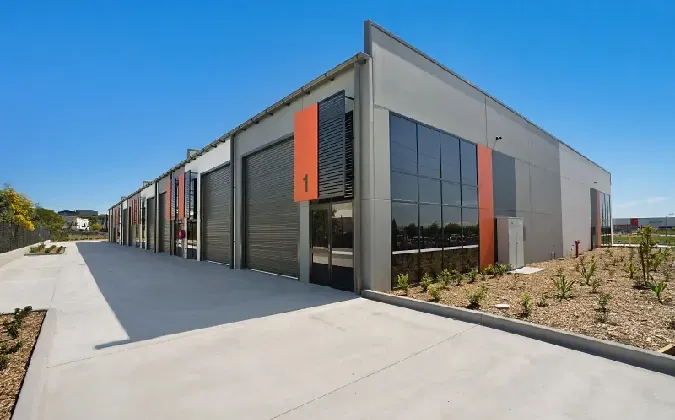
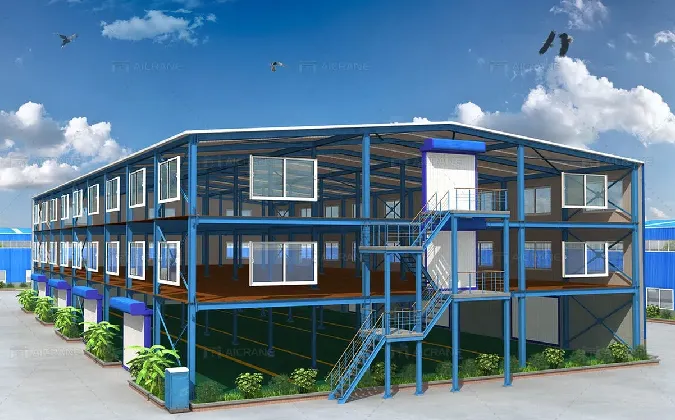
Put plainly, a farm equipment shelter is a structure designed to shield tractors, plows, harvesters, and other agricultural machinery from environmental damage. These can range from simple steel-frame garages to more advanced modular buildings, some even equipped with solar panels or integrated storage solutions.
I find it helpful to think of them as the agricultural equivalent of an SUV carport — but scaled up, rugged, and sometimes tailor-made for specific climates or operational needs. They aren’t just about keeping rain off; they defend against rust, UV damage, wind-blown debris, and reduce overall downtime by extending equipment longevity.
Core Components of Effective Farm Equipment Shelters
Durability and Materials
Most shelters utilize galvanized steel frames or heavy-duty aluminum combined with weather-resistant roofing materials. Concrete floors or gravel bases are often included, both to improve longevity and reduce mud buildup. These materials have to balance cost and weather tolerance — not always an easy feat.
Size and Scalability
A shelter has to match the machines it protects. Oversizing wastes money and space; undersizing means equipment jamming or worse, damage. Modular designs are popular nowadays since they can grow with the farm’s needs, a nice plus for startups or farms expanding their fleet.
Cost Efficiency
Money talks here, naturally. While steel structures tend to have higher upfront expenses, many farmers find the long-term maintenance savings quickly justify the investment. Plus, pre-engineered kits reduce installation time and labor costs, which is a relief in areas where skilled workers are scarce.
Ventilation & Pest Control
Oddly enough, without proper airflow, shelters can trap moisture and invite corrosion. Some designs integrate mesh vents or adjustable panels to regulate temperature and keep rodents and birds at bay.
Ease of Installation and Maintenance
Fast assembly is increasingly a demand, especially in emergency or disaster-prone zones. Some shelters can be erected in a day with a small crew, which is crucial to keep farming cycles on track.
Mini takeaway: When selecting a farm equipment shelter, don’t just hunt for lowest price. Consider durability, size, ventilation, and long-term maintenance to find the best fit for your operation.
Real-World Applications Across the Globe
In the U.S. Midwest, large-scale corn and soybean farms rely on vast steel-frame shelters that keep combines pristine during winter. Meanwhile, in India, smaller prefabricated shelters are popular among rice farmers needing inexpensive yet effective coverage during monsoon seasons.
International aid organizations use farm equipment shelters in post-disaster relief, providing quick storage solutions for equipment used in rebuilding agricultural systems after floods or hurricanes. Remote mining operations in Africa similarly use modular shelters to guard specialized machinery from sandstorms.
As an aside, the adaptability of these shelters fascinates me: they can be simple and rugged in low-tech settings, or highly customized with solar panels and IoT sensors to monitor condition and usage.
Advantages and Long-Term Value
- Cost Savings: Reduced repair needs and longer equipment life cycle.
- Sustainability: Preservation of machinery reduces waste and resource consumption.
- Social & Safety Impact: Safer work environments and reduced risk of theft or damage.
- Reliability: Equipment is ready-to-use when needed, minimizing downtime.
Emotional benefits exist too — there’s a certain pride and peace of mind in knowing your investment and livelihood are protected. For many, it’s not just equipment, it’s legacy passed down generations.
Farm Equipment Shelter—Product Specification Table
| Feature | Details |
|---|---|
| Frame Material | Galvanized Steel |
| Roof Type | Corrugated Metal with UV Coating |
| Dimensions | 12m Length x 8m Width x 4.5m Height |
| Foundation | Concrete Slab or Gravel Base |
| Ventilation | Mesh-panel vents with Adjustable Louvers |
| Installation Time | 2-3 Days (Professional Crew) |
| Warranty | 5 Years Structural |
Comparing Top Vendors of Farm Equipment Shelters
| Vendor | Material Quality | Customization Options | Price Range | Lead Time |
|---|---|---|---|---|
| AgriShield Inc. | Premium galvanized steel | High (Modular units, solar-ready) | $$$ | 3-4 weeks |
| RuralSteel Solutions | Standard steel | Moderate (Fixed sizes) | $$ | 2 weeks |
| FieldGuard Systems | Lightweight aluminum alloy | High (Custom dimensions, add-ons) | $$$ | 4-5 weeks |
| BudgetBarn Co. | Basic steel | Low (Standard kits) | $ | 1-2 weeks |
What Does the Future Hold for Farm Equipment Shelters?
Advancements in materials, such as ultra-lightweight composites, promise easier installation combined with longer life spans. Meanwhile, smart shelters featuring solar panels and IoT-enabled environment sensors are gaining traction — giving farmers real-time insights into temperature, humidity, and security.
Also, as sustainability becomes less optional and more a necessity, many manufacturers are designing eco-friendly shelters that incorporate rainwater harvesting or green roofs. Automation may extend further, with robotic cleaning or integrated charging stations for electric farm machinery.
Some experts even see the rise of prefab shelter “kits” entirely planned via digital 3D models, enabling local workers to assemble tailored structures without specialists. It feels like the future of shelter is kind of modular, adaptable, and smart — very promising.
Common Challenges and How to Overcome Them
Despite many advances, there are hurdles. Cost is often a barrier for smaller farms. Local regulations can tie up permits. Harsh terrains and remote locations complicate logistics. Ventilation is still overlooked, sometimes causing mold or rust.
Innovation responds with more affordable modular designs and DIY-friendly kits. Manufacturers are working with governments to streamline approvals. And many shelters now come with adjustable ventilation or drainage to combat weather concerns.
Frankly, the key is customizing solutions to local realities rather than forcing one-size-fits-all concepts.
FAQ About Farm Equipment Shelter
1. How long does a typical farm equipment shelter last?
With proper maintenance, galvanized steel shelters can easily last 20 to 30 years. Longevity depends on local climate, maintenance routines, and materials used. Coatings and rust treatments improve durability significantly.
2. Can I install a farm equipment shelter myself?
Some lightweight and modular kits are designed for DIY installation, but larger steel-frame structures often require professional crews to ensure safety and structural integrity.
3. Are farm equipment shelters energy efficient?
Traditional shelters aren't inherently energy consumers but integrating solar panels or reflective roofing can reduce heat inside and even allow powering LED lights or charging stations.
4. What is the average cost of setting up a farm equipment shelter?
Costs vary greatly by size and materials, but a mid-sized galvanized steel shelter typically ranges from $5,000 to $20,000. Modular options can sometimes be more affordable and faster to deploy.
5. How do I maintain my farm equipment shelter?
Regularly inspect for rust, clean gutters and vents, and ensure drainage is effective. Touch up paint or coatings as needed, and clear debris to preserve structural health.
Conclusion: The Smart Investment in Farm Equipment Shelter
To wrap up, a well-chosen farm equipment shelter transcends its humble 'shed' label. It’s a strategic asset that prolongs machine life, saves money, ensures reliability, and supports sustainable farming. Whether you’re a smallholder or run vast agribusiness operations, investing in an effective shelter means safeguarding your farm’s heartbeat.
Curious to explore durable, scalable, and efficient options? Visit our website: farm equipment shelter to find tailored solutions that suit your needs.
References:
1. Food and Agriculture Organization (FAO). Climate change and agriculture database. https://www.fao.org
2. World Bank. Agriculture, forestry, and fishing. https://databank.worldbank.org
3. United Nations. Sustainable Development Goals - Goal 2: Zero Hunger. https://sdgs.un.org
-
Complete Guide to Metal Garage with Apartment Cost and Budgeting
NewsApr.16,2026
-
Understanding Metal Garage Cost and Complete Investment Guide
NewsApr.09,2026
-
Understanding the Cost to Build a Metal Garage for Your Property
NewsApr.07,2026
-
Understanding the Cost of Metal Garage Building and Factors to Consider
NewsApr.04,2026
-
Understanding the Cost of a 20x30 Metal Garage and Key Considerations
NewsMar.31,2026
-
Understanding the Cost for Metal Garage Construction and Installation
NewsMar.28,2026
Products categories
Our Latest News
We have a professional design team and an excellent production and construction team.