Steel Farm Storage: Durable, Scalable Solutions for Modern Agriculture
Dec . 02, 2025 14:34 Back to list
Understanding Steel Farm Storage: The Backbone of Modern Agricultural Infrastructure
Steel farm storage—it sounds straightforward but is actually a cornerstone of modern agriculture and rural development worldwide. As populations grow and climate unpredictability rises, farmers, agribusinesses, and aid organizations increasingly lean on robust storage solutions to protect crops, equipment, and supplies. Frankly, without resilient storage, food security and rural economies would face serious disruption.
So what exactly is steel farm storage? Why is it gaining global attention? How does it support industries and communities from rural America to sub-Saharan Africa? Let’s unpack these questions and explore the practical, economic, and even humanitarian impacts of this vital infrastructure.
Global Context: Why Steel Farm Storage Matters Today
In 2023, nearly 800 million people worldwide remain undernourished, according to the UN's Food and Agriculture Organization (FAO). One contributor: loss and waste during farming and storage phases. The World Bank estimates that post-harvest losses in some developing countries can reach 30-40% simply due to inadequate storage facilities.
Enter steel farm storage: highly durable, scalable structures designed to protect grain, seeds, machinery, fertilizers, and more from pests, moisture, and extreme weather. This infrastructure is not just about safeguarding resources; it’s about maintaining rural livelihoods and enabling agricultural practices to thrive despite modern challenges like climate change and market volatility.
What is Steel Farm Storage?
Put simply, steel farm storage refers to buildings and containers made primarily from steel that serve as secure, weather-resistant vaults for farming inputs and outputs. These include steel silos, storage sheds, barns, and modular containers designed or retrofitted for farming needs. Because steel is strong yet easily fabricated, it allows for customizable storage solutions, making it especially useful in diverse environments.
Interestingly, steel farm storage also plays a notable role beyond commercial farming. Humanitarian groups often deploy modular steel units in emergency food storage during disaster relief. This duality — serving both everyday agricultural needs and crisis response — underscores its versatility.
Core Components of Effective Steel Farm Storage
Durability
Steel's resistance to pests, rot, and fire significantly extends the lifespan of storage facilities. Unlike wooden barns or fabric tents, steel structures withstand harsh weather swings — a must-have in unpredictable climates.
Scalability
Steel systems often come in modular forms, allowing farmers to expand storage as production grows. This flexibility suits smallholder farms and large industrial operations alike.
Cost Efficiency
Although initial investment can be higher than traditional materials, steel reduces maintenance costs and product loss over time, making it a cost-effective choice long term.
Security
Steel units are easier to secure against theft or animal intrusion, safeguarding valuable crops and machinery.
Environmental Impact
Recyclability and potential for integration with green energy—such as solar panels on steel roofs—make these storage solutions a step toward sustainable farming.
Steel Farm Storage in Action Across the Globe
From the vast cornfields of the American Midwest to rice terraces in Southeast Asia, steel farm storage adapts remarkably. For instance, in post-disaster relief zones such as cyclone-hit Bangladesh, agencies deploy steel grain silos to ensure food supply chains remain intact. In remote Australian cattle stations, steel sheds shelter expensive machinery from dust and corrosion.
Even in Europe, precision farming outfits use custom steel containers integrated with climate control to maintain seed viability—a crucial factor in ensuring harvest success across seasons.
Mini Takeaway: Steel farm storage isn’t a one-size-fits-all solution, but its modularity and durability make it an agricultural and humanitarian workhorse worldwide.
Advantages and Long-Term Value of Steel Farm Storage
- Reduced Waste: Proper storage minimizes spoilage, directly improving farmer incomes and food security.
- Resilience to Climate Stress: As weather patterns fluctuate, sturdy steel structures offer stability.
- Economic Savings: By lowering maintenance and replacement needs, steel saves over time.
- Social Impact: Reliable storage builds community trust and safety, especially when aid organizations depend on it.
- Innovation Friendly: Steel structures can incorporate monitoring technology, like sensors tracking moisture or temperature remotely.
Product Specifications: Typical Steel Farm Storage Units
| Specification | Standard Value | Notes |
|---|---|---|
| Material Grade | Galvanized steel S355 | Corrosion resistant, high strength |
| Typical Dimensions | Width: 4-12m, Height: 3-6m, Length: customizable | Fits a variety of farm sizes |
| Load Capacity | Up to 5000 kg/m² floor load | Supports heavy machinery storage |
| Insulation Options | Polyurethane foam, fiberglass | Controls internal microclimate |
| Assembly Time | 2-7 days (modular kits) | Faster than traditional construction |
How Do Steel Farm Storage Vendors Stack Up?
| Vendor | Global Presence | Product Range | Customization | Support & Delivery |
|---|---|---|---|---|
| AgriSteel Corp | 40 countries | Silos, sheds, modular units | High (tailored kits) | 24/7 customer support, global warehouses |
| FarmSecure Steel | Europe, Asia | Barns, fencing solutions | Medium (standard models) | On-site installation services |
| HJS Storage Solutions | Worldwide (via partners) | Containerized & modular steel storage | High (fully customizable) | Rapid deployment, online support |
Future Trends & Emerging Innovations in Steel Farm Storage
Looking ahead, steel farm storage is becoming smarter and greener. Digitalization—think embedded IoT sensors that monitor temperature and humidity in real time—is making storage conditions more controllable and predictive, which could dramatically reduce losses.
On the sustainability front, integrating solar panel systems on steel roofs or using recycled steel can significantly reduce environmental footprints. Additionally, advances in lightweight but stronger alloys promise easier transport and installation in hard-to-reach rural zones.
Challenges & Practical Solutions
Admittedly, there are hurdles. Initial costs can deter small-scale farmers, and some regions may lack the technical expertise to assemble complex modular systems. Also, steel is prone to corrosion if not properly maintained, especially in humid or coastal environments.
Yet innovations like low-cost financing, local training programs, and advanced coating technologies are addressing these concerns head-on. Partnerships between governments, NGOs, and private sector players further help to spread access to quality steel farm storage.
FAQs About Steel Farm Storage
- How does steel farm storage compare to traditional wooden barns in terms of cost?
- While steel structures generally involve higher upfront costs than wood, they require much less maintenance and resist pests and fire better. Over the long term, these savings often make steel more cost-effective.
- Can steel farm storage be customized for different climates?
- Absolutely. Insulation options, ventilation systems, and corrosion-resistant coatings allow steel storage buildings to perform well in hot, cold, or humid climates.
- Is steel farm storage environmentally sustainable?
- Steel is 100% recyclable without loss of quality, and using recycled steel reduces emissions. Additionally, modern designs increasingly incorporate renewable energy and eco-friendly materials.
- How quickly can steel farm storage units be deployed?
- Prefabricated or modular steel kits often install within a week, much faster than traditional on-site construction—crucial for time-sensitive agricultural cycles or disaster relief.
- Can NGOs import steel storage solutions internationally?
- Yes, many vendors specialize in global logistics and customs support, simplifying international delivery and installation for humanitarian projects.
Conclusion
Steel farm storage is more than just a building; it’s a strategic investment in agricultural resilience and rural livelihoods. Its blend of durability, scalability, and sustainability equips farmers and aid agencies to better safeguard food supplies against the uncertainties of the modern world.
If you’re interested in robust steel farm storage solutions tailored to your needs, explore the latest offerings and innovations today. The future of farming depends not just on seeds and soil, but on smart, built-to-last infrastructure that protects what matters most.
Oddly enough, once you start paying attention to storage, you realize it’s really the silent hero on every farm.
Quick Takeaway: Investing in quality steel farm storage pays dividends in durability, safety, and sustainability — a triple win for farmers and communities.
- FAO - Food and Agriculture Organization. “The State of Food Security and Nutrition in the World,” 2023. fao.org
- World Bank. “Reducing Post-Harvest Losses for Food Security.” 2022. worldbank.org
- ISO 9001 standards for agricultural storage facilities. iso.org
-
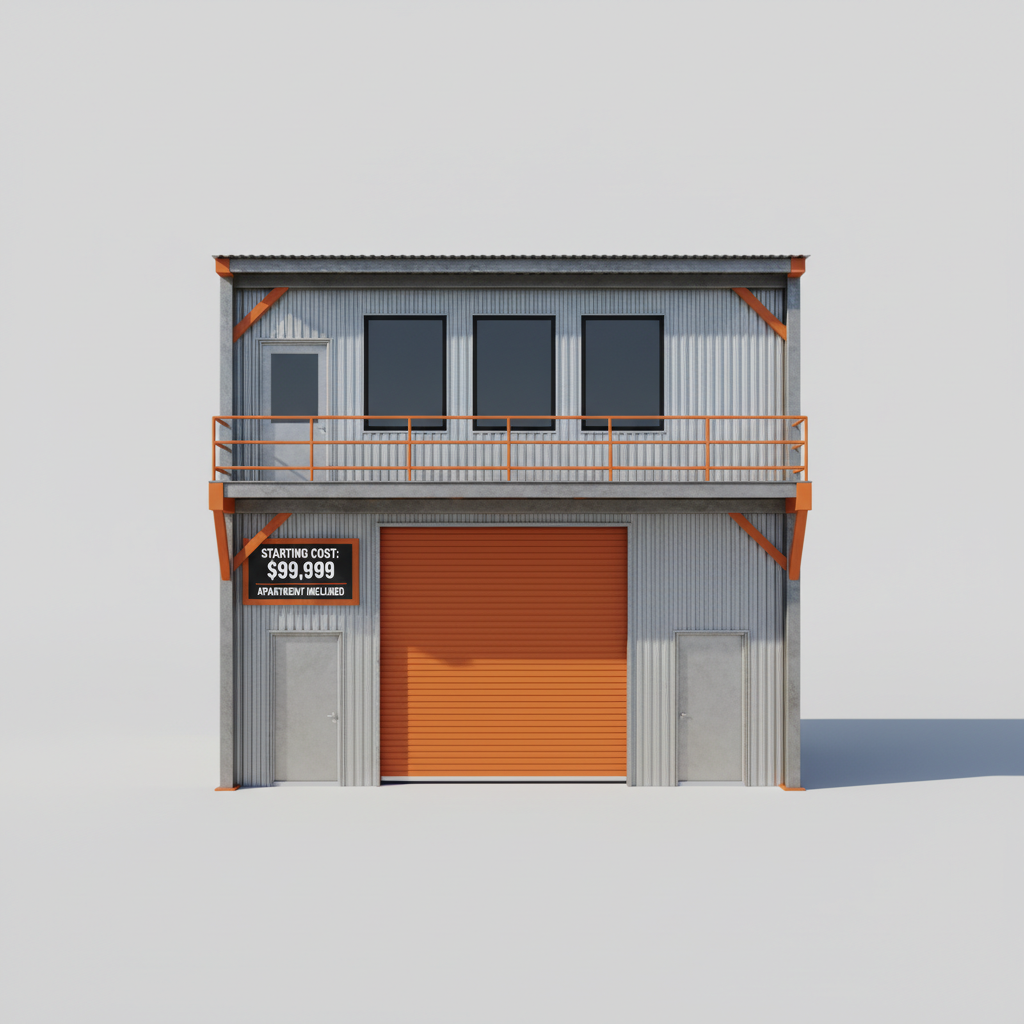
Complete Guide to Metal Garage with Apartment Cost and Budgeting
NewsApr.16,2026
-
Understanding Metal Garage Cost and Complete Investment Guide
NewsApr.09,2026
-
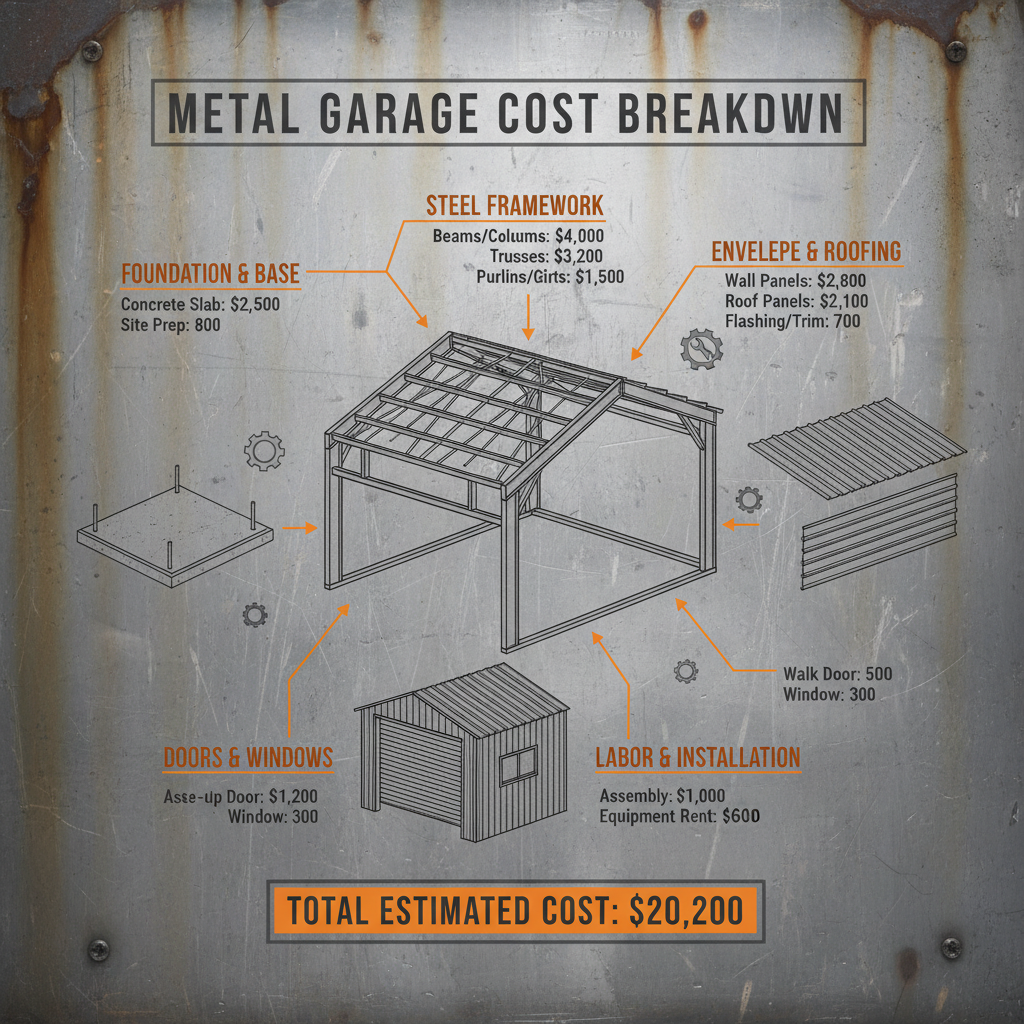
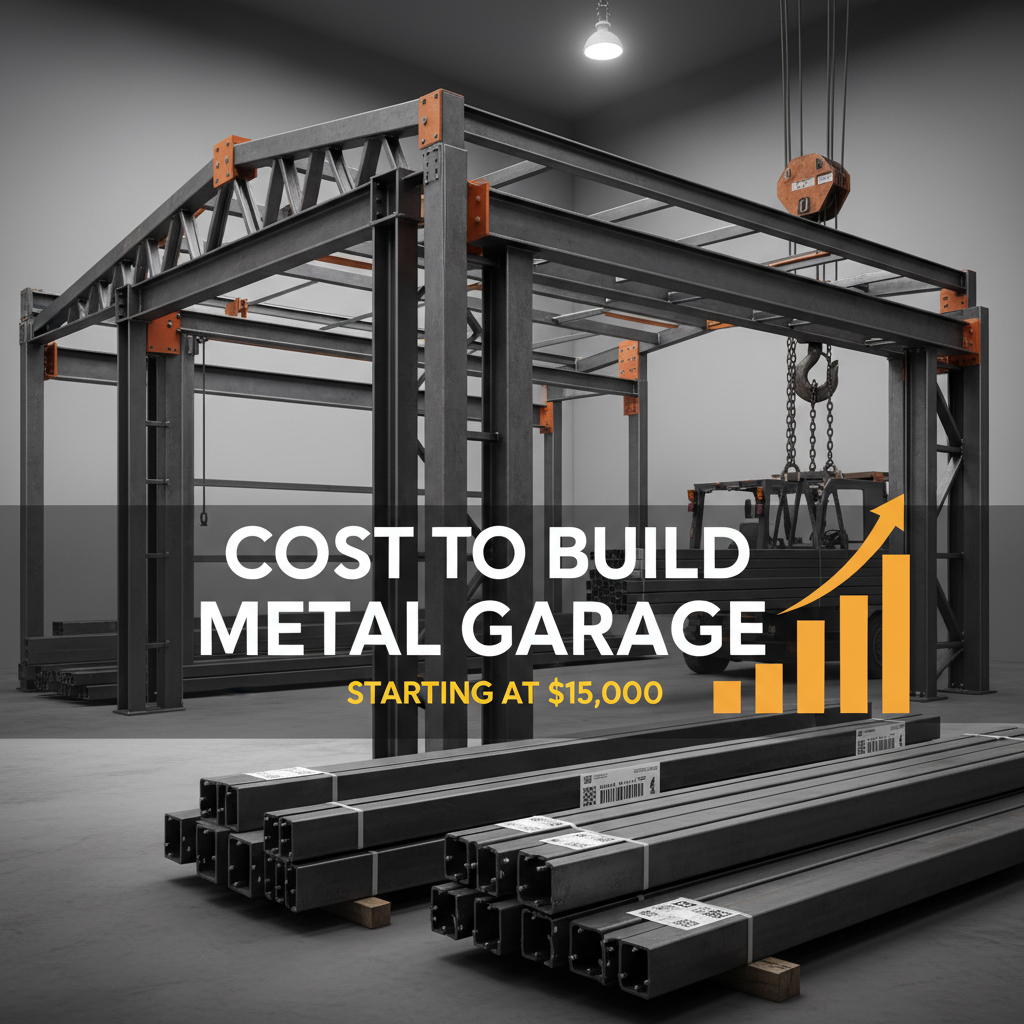
Understanding the Cost to Build a Metal Garage for Your Property
NewsApr.07,2026
-
Understanding the Cost of Metal Garage Building and Factors to Consider
NewsApr.04,2026
-
Understanding the Cost of a 20x30 Metal Garage and Key Considerations
NewsMar.31,2026
-
Understanding the Cost for Metal Garage Construction and Installation
NewsMar.28,2026
Products categories
Our Latest News
We have a professional design team and an excellent production and construction team.