Metal Agricultural Buildings: Durable, Sustainable Infrastructure for Modern Farming
Dec . 02, 2025 16:46 Back to list
Understanding Metal Agricultural Buildings: Durable Solutions for Modern Farming
Metal agricultural buildings have quietly transformed the face of farming infrastructure worldwide. But why are they such a big deal, and what makes them stand out amidst the traditional wooden barns or concrete structures? At its core, metal agricultural buildings offer farmers, agribusinesses, and even humanitarian groups a resilient, scalable, and cost-effective way to protect assets and improve productivity. In an increasingly uncertain climate with shifting economic structures, knowing how these buildings work—and why they matter—is key for anyone involved in agriculture or related industries.
Global Relevance of Metal Agricultural Buildings
Looking beyond individual farms, metal agricultural buildings are shaping the global agricultural landscape. According to the Food and Agriculture Organization (FAO), >35% of crops worldwide depend on reliable storage and processing spaces — places that metal-framed structures often provide efficiently. These buildings help address challenges like rapid urbanization reducing farmland, unpredictable weather patterns threatening traditional structures, and an acute need for quick-to-deploy, adaptable facilities.
Interestingly, the global agribusiness sector's growth correlates with demand for standardized, durable sheds or barns — especially in regions like North America, Europe, and increasingly in Asia-Pacific. Plus, with sustainable farming goals on the rise internationally, these buildings play a role in reducing the carbon footprint of farm infrastructure.
What Exactly Are Metal Agricultural Buildings?
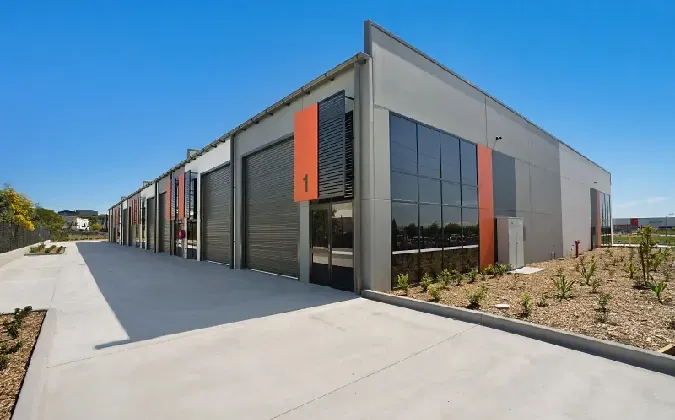
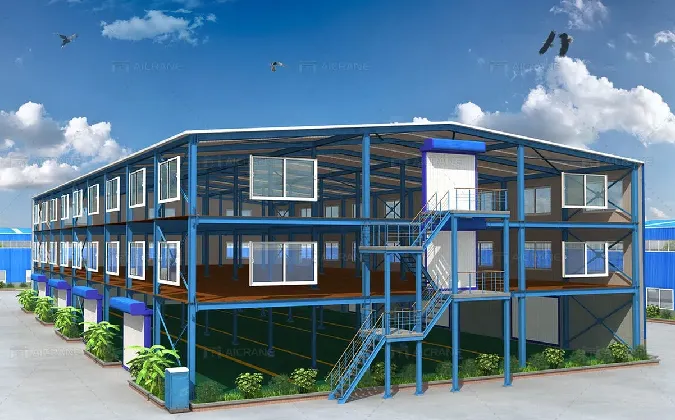
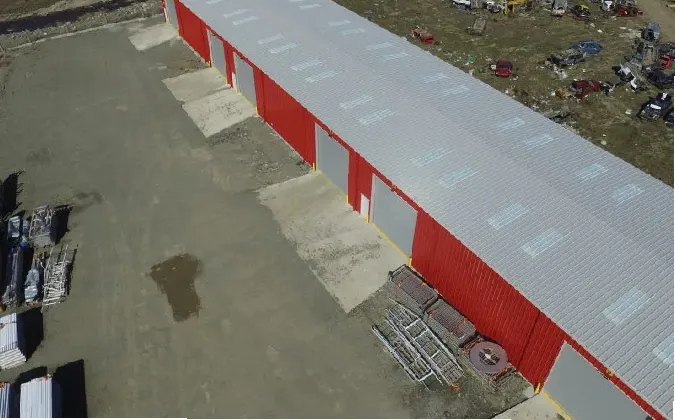
Metal agricultural buildings are essentially structures primarily constructed with steel or aluminum frames combined with metal panels. Think of them as the modern barns or storage units of the farming world, often customized per the farmer’s needs — whether it’s for grain storage, livestock housing, machinery shelters, or greenhouses.
They marry strength with flexibility: their steel frames resist weather challenges while offering a modular setup that can be scaled or relocated. Beyond agriculture, humanitarian organizations even use similar metal constructs for quick-deployment shelters post-disaster, highlighting their versatility.
Key Components and Features
1. Durability
These buildings are designed to withstand extreme weather — storms, heavy snow, even corrosive environments. Galvanized steel framing and treated metal panels greatly extend structural life compared to wood. Many farmers mention how metal roofs shed snow more easily, protecting feed and equipment inside.
2. Scalability & Modularity
Metal agricultural buildings often come in modular kits. You can start with a small storage shed, then add on more bays as farming operations expand. This adaptability makes them appealing to a variety of farm sizes from family operations to commercial agribusinesses.
3. Cost Efficiency
Though initial costs might be higher than simple wooden sheds, the longevity, reduced maintenance, and faster build times often translate into savings over years. Plus, many suppliers offer rapid assembly kits that minimize downtime in growing seasons.
4. Sustainability
Steel is highly recyclable, and many manufacturers now use eco-friendly coatings to reduce environmental impacts. The insulation options available also improve energy efficiency inside the buildings.
5. Customization & Functional Design
From ventilated barns for dairy cows to humidity-controlled grain silos, metal agricultural buildings can be tailored to many agricultural needs. Architects and engineers collaborate to optimize natural light, airflow, and temperature control.
In Real-World Contexts
You see these buildings from the wheat fields of Canada to the rice paddies of Vietnam. In the American Midwest, for example, farmers use large-span metal barns to house combine harvesters and tractors. Meanwhile, NGOs in post-disaster zones deploy quickly erected metal shelters to store emergency food supplies — sometimes doubling as medical triage spaces.
A fascinating case is the use of metal agricultural buildings in arid regions like North Africa, where they offer cool, dry storage away from damaging dust and heat.
Advantages & Long-Term Value
Metal agricultural buildings offer a smart investment. They protect critical assets from weather — which means less crop loss, fewer equipment repairs, and better livestock health. That reliability fosters trust and peace of mind, not to mention the emotional relief of knowing your livelihood is better safeguarded.
Financially, these buildings help smooth out some farming unpredictability by lowering repair and rebuilding costs. Socially, they empower rural communities with better infrastructure, sometimes even improving local employment during construction phases.
Future Trends
The future is pretty exciting. Innovations like solar-panel integrated metal roofs are beginning to appear, turning barns into energy generators. Sensors embedded in walls to monitor temperature and humidity are part of the smart farm revolution. Sustainability standards are nudging manufacturers to develop greener coatings and use recycled steel, aligning with global eco-goals.
Challenges & How to Overcome Them
There are still hurdles. Metal structures can be prone to corrosion if not properly treated, particularly in coastal or humid environments. Some farmers worry about insulation and condensation inside metal buildings. And upfront costs, while stable, might still be a barrier in developing regions.
Innovative coatings, combined with modern insulation materials, address much of the moisture and rust concerns. Plus, flexible financing and local assembly training help overcome economic and logistical barriers, making metal agricultural buildings increasingly accessible.
FAQ: Frequently Asked Questions About Metal Agricultural Buildings
- Q: How do metal agricultural buildings perform in extreme weather?
A: They are engineered to resist wind, snow load, and rain. Galvanized coatings prevent rust, and aerodynamic shapes help reduce storm damage risk. - Q: Can metal buildings be expanded as my farm grows?
A: Absolutely. Many designs are modular, allowing you to add sections or modify layouts without rebuilding. - Q: Are these buildings eco-friendly?
A: Steel is recyclable and many manufacturers use green coatings. Insulation options improve energy efficiency, reducing heating/cooling needs. - Q: What maintenance do metal agricultural buildings require?
A: Minimal—mostly visual inspections, cleaning gutters, and treating scratches or dents to prevent corrosion. - Q: Where can I get specialized metal agricultural buildings?
A: There are leading suppliers internationally, such as HongJi Shunda, who provide customizable, pre-engineered kits tailored to specific agricultural needs.
Product Specification Table: Typical Metal Agricultural Building
| Feature | Specification |
|---|---|
| Frame Material | Galvanized Steel |
| Panel Material | Corrugated Steel Sheets |
| Finish | Powder-Coated / Galvanized |
| Insulation Options | Spray Foam / Mineral Wool |
| Typical Span | 20–100 feet |
| Roof Pitch | 5° – 15° |
Vendor Comparison: Leading Metal Agricultural Building Suppliers
| Feature | HongJi Shunda | Competitor A | Competitor B |
|---|---|---|---|
| Customization Level | High | Medium | Low |
| Material Quality | Premium Galvanized Steel | Standard Steel | Basic Steel |
| Warranty | 10 years | 5 years | 3 years |
| Lead Time | 4–6 weeks | 8–10 weeks | 6–8 weeks |
| Global Shipping | Yes | Limited | No |
Curious to see more about metal agricultural buildings? They offer a versatile solution that, frankly, might just be the future of modern farming infrastructure.
Wrapping It Up
In the end, metal agricultural buildings are more than just buildings. They are tools of resilience, catalysts for efficiency, and anchors of sustainability in a rapidly changing agricultural world. Whether you’re a seasoned farmer, an NGO deploying rapid relief, or simply interested in innovative agricultural tech, understanding these structures—and their benefits—opens a window onto a practical yet forward-thinking path.
If you want to explore customizable options and ensure your farm infrastructure is ready for tomorrow’s challenges, don’t hesitate to visit HongJi Shunda — a proven partner in the field.
So next time you spot a gleaming metal barn stretching over acres of crops or sheltering vital equipment, you’ll know the story it tells: one of innovation, durability, and hope for sustainable agriculture.
1. Food and Agriculture Organization of the United Nations (FAO), “Agricultural infrastructure.”
2. International Organization for Standardization (ISO) standards on steel structures.
3. United Nations Environment Programme (UNEP), “Sustainable agriculture and climate resilience.”
-
Complete Guide to Metal Garage with Apartment Cost and Budgeting
NewsApr.16,2026
-
Understanding Metal Garage Cost and Complete Investment Guide
NewsApr.09,2026
-
Understanding the Cost to Build a Metal Garage for Your Property
NewsApr.07,2026
-
Understanding the Cost of Metal Garage Building and Factors to Consider
NewsApr.04,2026
-
Understanding the Cost of a 20x30 Metal Garage and Key Considerations
NewsMar.31,2026
-
Understanding the Cost for Metal Garage Construction and Installation
NewsMar.28,2026
Products categories
Our Latest News
We have a professional design team and an excellent production and construction team.