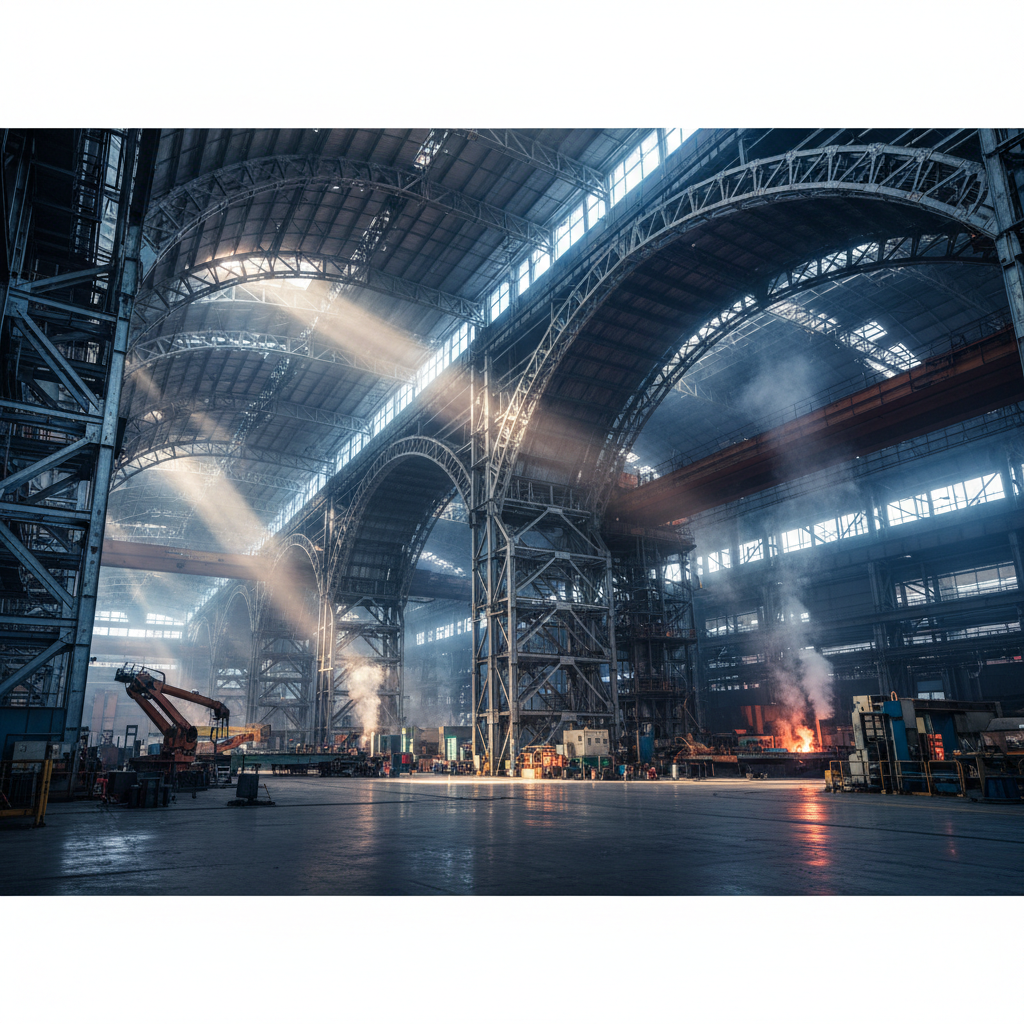
Establishing a high-performance home building workshop is no longer just a luxury for hobbyists; it has become a strategic asset for modern homeowners and small-scale developers seeking self-sufficiency and precision in construction. By integrating industrial-grade steel framing with personalized spatial planning, these workshops allow for the controlled fabrication of home components, significantly reducing waste and enhancing structural integrity.
Globally, the shift toward modular and prefabricated housing has highlighted the importance of a dedicated home building workshop. As urban density increases and the cost of traditional onsite labor skyrockets, having a centralized space to pre-assemble walls, trusses, and cabinetry ensures that the final build is executed with surgical precision, regardless of external weather conditions or site constraints.
Understanding the nuances of a professional home building workshop—from the selection of heavy-duty steel structures to the optimization of workflow ergonomics—is essential for anyone looking to bridge the gap between amateur DIY and professional-grade residential engineering. The benefits extend beyond simple convenience, offering long-term value through increased property equity and the ability to innovate with sustainable building materials.
Global Industry Context of Home Building Workshops
The global construction landscape is currently undergoing a paradigm shift toward "Off-site Construction" (OSC). According to industry trends aligned with ISO standards for prefabricated buildings, the demand for controlled environments—specifically the home building workshop—has surged as builders seek to minimize the 30% material waste typically found on traditional construction sites. This movement is particularly prevalent in North America and Europe, where labor shortages have made onsite assembly prohibitively expensive.
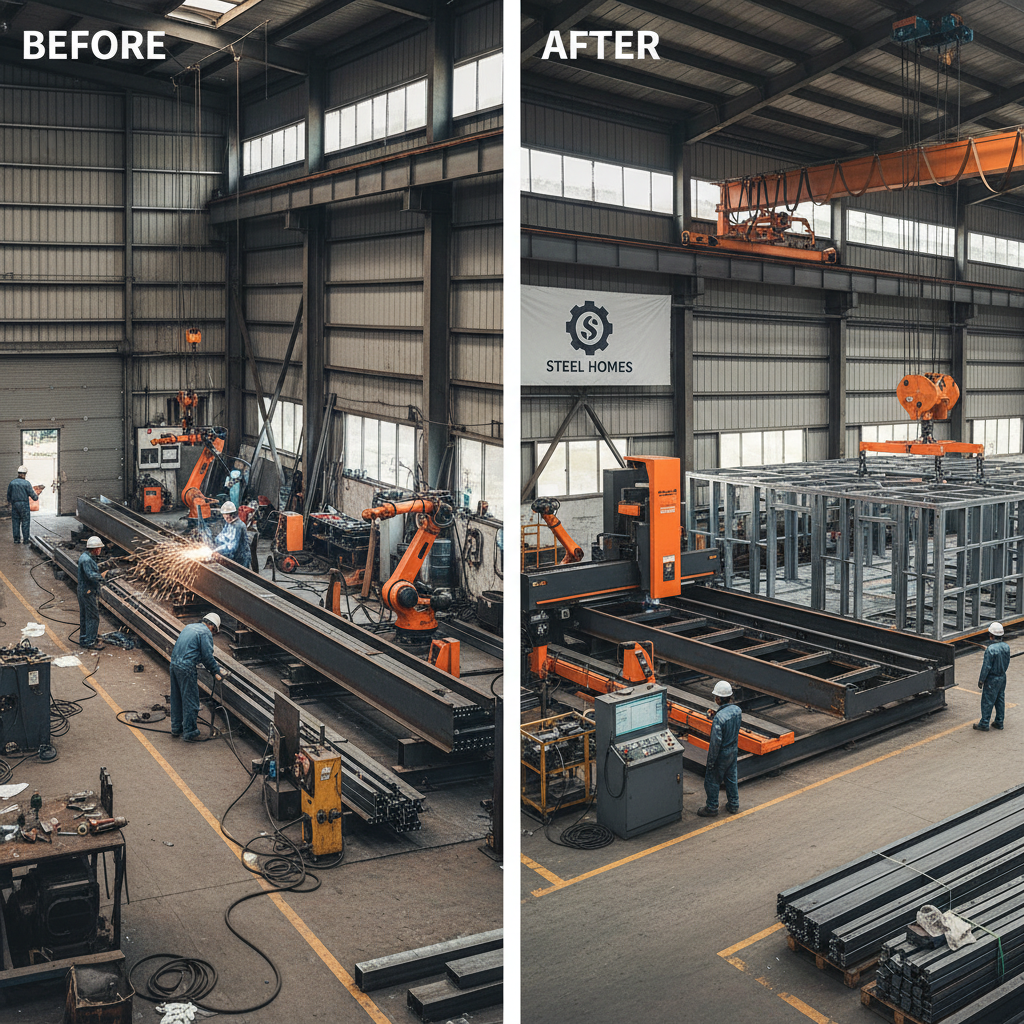
By shifting the primary fabrication phase into a steel-structured workshop, developers can maintain rigorous quality control. The challenge addressed here is the volatility of weather and the inconsistency of manual onsite labor. A dedicated workshop stabilizes the production timeline, ensuring that the "home building" process becomes a predictable manufacturing sequence rather than a series of unpredictable field events.
Defining the Modern Home Building Workshop
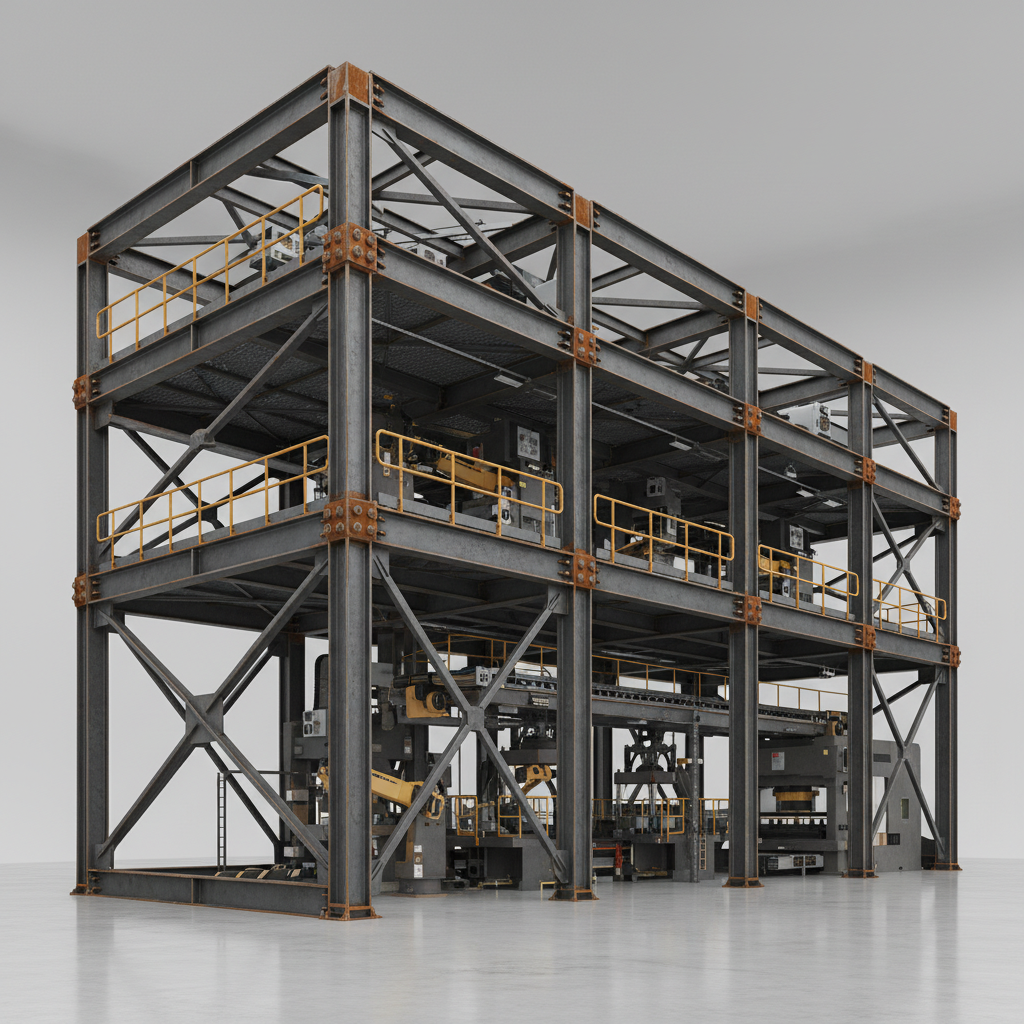
In simple terms, a home building workshop is a specialized industrial space designed for the precision fabrication of residential architectural elements. Unlike a standard garage, it is engineered to house heavy machinery, long-span assembly tables, and material storage systems, typically utilizing a steel frame to provide the necessary clear-span open floor area required for moving large wall panels or roof trusses.
Beyond the physical structure, it represents a junction between traditional craftsmanship and modern industrialization. It allows for the integration of CNC machinery and modular jigs, enabling a builder to produce components that are identical in specification, which is a critical requirement for the growing market of sustainable, modular residential units.
From a humanitarian perspective, these workshops are becoming vital in rapid-response housing initiatives. By establishing a local home building workshop in disaster-stricken or underdeveloped regions, organizations can empower local communities to build their own high-quality, permanent shelters using standardized steel components, moving beyond temporary tents to dignified, lasting homes.
Core Components for Structural Efficiency
The foundation of any successful home building workshop is Structural Scalability. Utilizing high-tensile steel portals allows the workshop to expand as the builder's capacity grows, ensuring that the facility doesn't become a bottleneck during larger residential projects.
Climate Control and Durability are equally critical. Since the workshop houses sensitive materials like engineered lumber and precision metal fasteners, the enclosure must be airtight and thermally regulated. A steel structure with advanced insulation prevents warping of materials and ensures a safe, year-round working environment for the craftsmen.
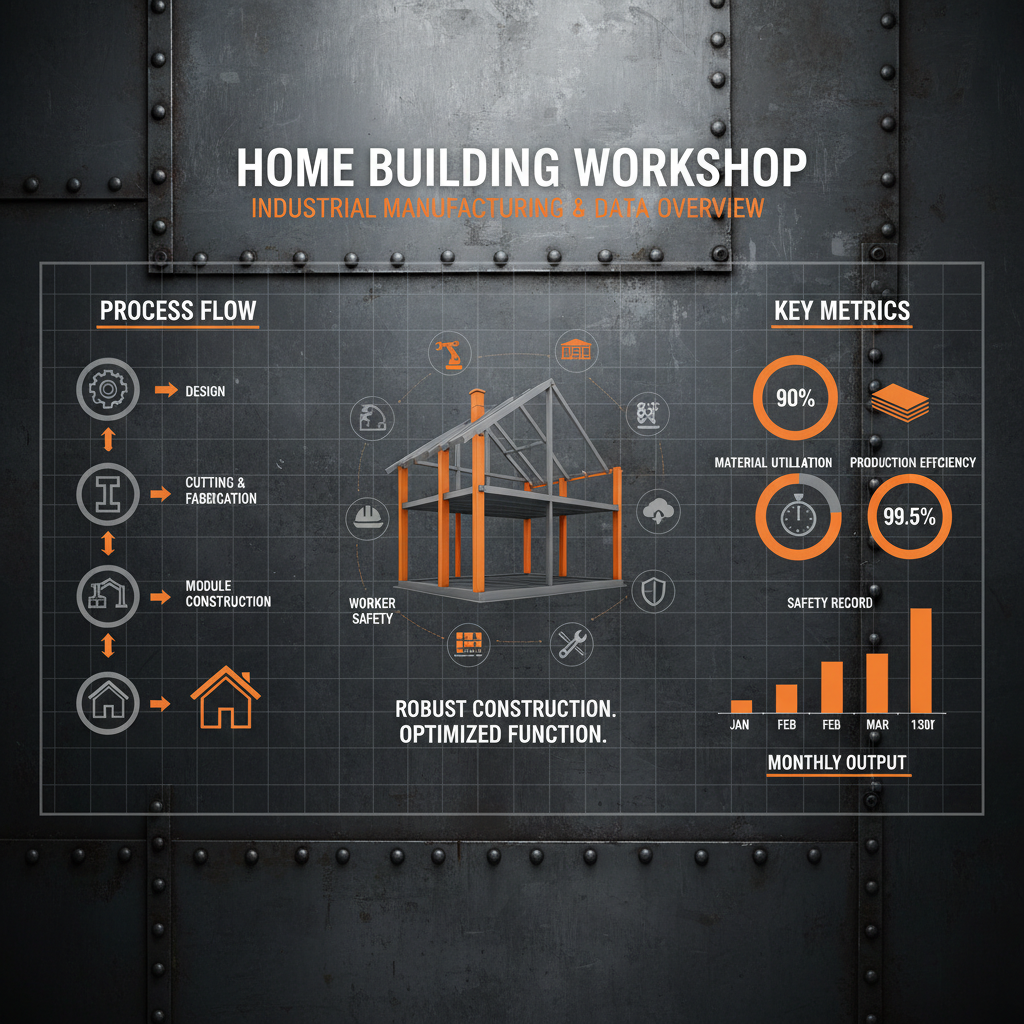
Finally, Workflow Optimization defines the utility of the space. A professional workshop is zoned into raw material receiving, fabrication, assembly, and staging areas. This logical flow minimizes the movement of heavy components, reducing the risk of onsite accidents and maximizing the hourly output of the home building workshop.
Practical Applications and Use Cases
In the real world, the application of a home building workshop varies by region. In the Pacific Northwest of the US, these facilities are often used to build "Eco-Pods" or tiny homes that are then transported to remote forested lots. In these cases, the workshop serves as a clean-room environment where high-efficiency insulation can be installed without the risk of moisture infiltration.
In remote industrial zones, such as mining towns in Australia or oil fields in Canada, these workshops are used to create rapid-deploy residential modules. These "Steel Residential Buildings" are prefabricated in the workshop and shipped as completed units, drastically reducing the time workers spend in harsh conditions before having a secure place to live.
Efficiency Comparison of Home Building Workshop Methods
Long-Term Value and Sustainability
The investment in a home building workshop yields tangible long-term dividends in sustainability. By controlling the cutting and assembly process, builders can implement "zero-waste" strategies, recycling off-cuts of steel and wood that would otherwise be discarded in a chaotic onsite dumpster. This not only lowers material costs but aligns the project with LEED and other green building certifications.
Beyond the economics, there is a profound emotional value in the precision and safety provided by a workshop. The ability to build a home with the knowledge that every joint was checked in a controlled environment fosters a deep sense of trust and dignity. For the homeowner, this translates to a residence that is not only aesthetically pleasing but structurally superior and safer for future generations.
Future Innovations in Workshop Technology
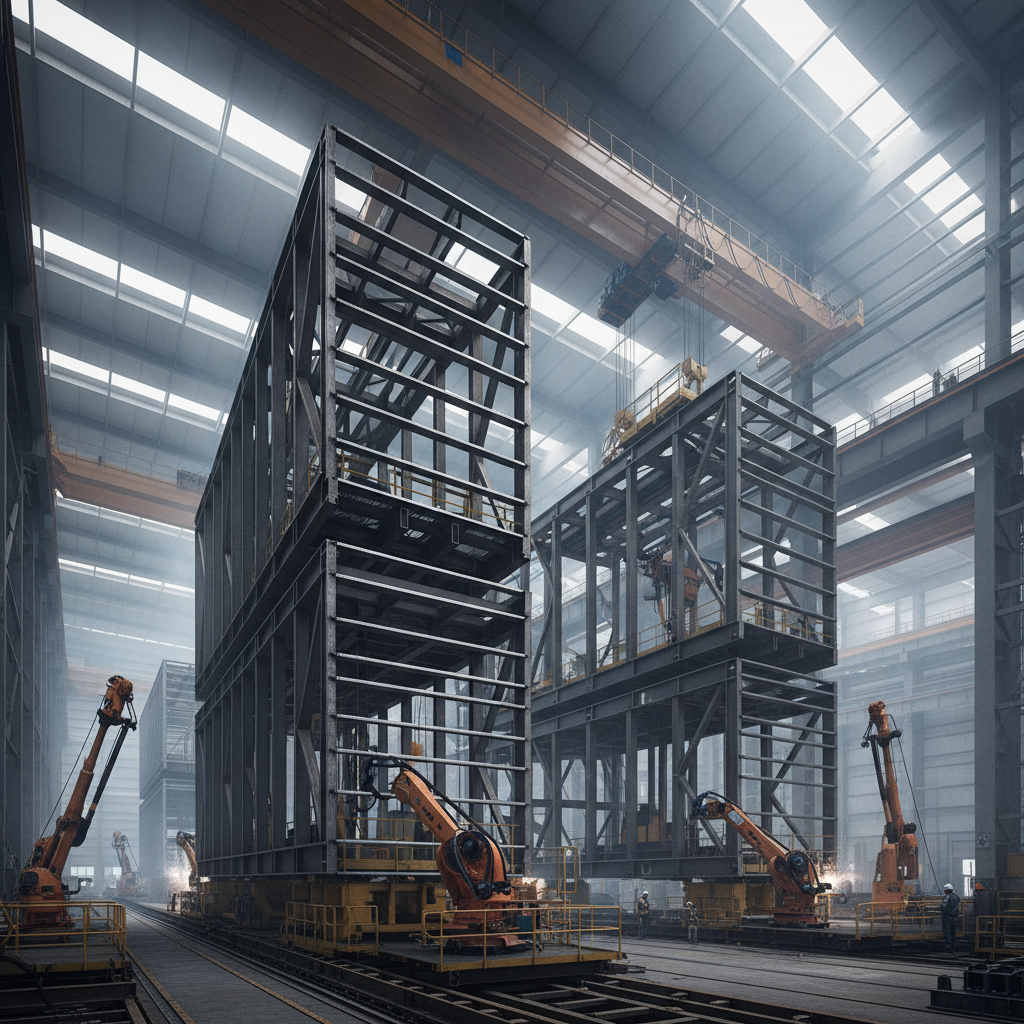
The next generation of the home building workshop will be defined by the integration of BIM (Building Information Modeling) and robotic automation. We are seeing a trend where digital twins of a home are created in software and sent directly to robotic arms within the workshop, which then weld steel frames or cut panels with sub-millimeter accuracy.
Sustainability is also evolving through the use of "Smart Materials." Future workshops will likely incorporate carbon-sequestering concrete or recycled steel alloys that are processed on-site. The integration of solar-harvesting roofs directly onto the workshop structure ensures that the energy required for fabrication is generated cleanly, making the process carbon-neutral.
Digital transformation is also streamlining the supply chain. Real-time inventory tracking within the workshop ensures that materials arrive "just-in-time," eliminating the need for massive, cluttered storage areas and allowing the workshop to remain lean and efficient, further enhancing the commercial viability of the home building workshop.
Overcoming Implementation Challenges
Despite the advantages, transitioning to a home building workshop model presents challenges, primarily regarding initial capital expenditure. High-quality steel buildings and specialized machinery require significant upfront investment. However, the solution lies in a phased implementation—starting with a basic steel shell and adding automation as the project portfolio grows.
Another common hurdle is the logistical complexity of transporting oversized prefabricated components from the workshop to the final site. Expert insights suggest utilizing "collapsible" modular designs or coordinating with specialized heavy-haulage logistics providers to ensure that the precision achieved in the workshop is not compromised during transit.
Finally, zoning and permit laws in many residential areas can be restrictive regarding industrial-style workshops. The most successful approach is to design the workshop as a "multi-use" facility—combining a steel garage with a professional workshop—thereby meeting local residential codes while maintaining the industrial capacity needed for high-end home construction.
Comparative Analysis of Home Building Workshop Configurations
| Workshop Scale |
Primary Material Focus |
Avg. Build Speed Increase |
Cost Efficiency Score (1-10) |
| Micro-Workshop (DIY) |
Light Timber/Composite |
15% |
6 |
| Small Professional |
Hybrid Steel-Wood |
30% |
8 |
| Mid-Sized Industrial |
Heavy Gauge Steel |
50% |
9 |
| Full-Scale Factory |
Precision Engineered Steel |
80% |
10 |
| Modular Specialist |
Cold-Formed Steel |
65% |
9 |
| Eco-Prefab Shop |
Recycled Steel/CLT |
40% |
7 |
FAQS
Yes, steel is vastly superior for a home building workshop because it allows for clear-span interiors. This means you can move large wall panels and roof trusses without hitting support columns, which is essential for residential fabrication. Additionally, steel offers better fire resistance and durability against industrial wear and tear.
While a DIY shop can be smaller, a professional home building workshop generally requires at least 2,000 to 5,000 square feet. This allows for dedicated zones: material storage, a primary assembly area for full-scale walls, a finishing station, and a loading bay for transporting components to the job site.
Absolutely. The versatility of a steel-framed workshop allows it to be repurposed. You can pivot from residential home components to steel agricultural buildings or warehouse structures by simply adjusting your jigs and tooling, making it a versatile commercial asset.
The primary savings come from reduced waste (up to 30% less material), lower onsite labor costs due to faster assembly, and the elimination of weather-related delays. By fabricating in a home building workshop, you transform unpredictable field work into a streamlined production process.
Typically, yes. Depending on your local zoning, you may need a "light industrial" or "accessory structure" permit. We recommend designing the workshop as a hybrid residential-commercial building to simplify the approval process with local planning departments.
A prefabricated steel workshop can be erected in a matter of weeks. Once the shell is complete, the interior fit-out—including electricity, ventilation, and equipment installation—usually takes another 4 to 8 weeks, depending on the complexity of your fabrication needs.
Conclusion
The transition toward a professional home building workshop represents a fundamental upgrade in how we approach residential construction. By combining the structural reliability of steel with the precision of a controlled environment, builders can achieve unprecedented levels of quality, sustainability, and speed. From the reduction of material waste to the implementation of advanced BIM technologies, the workshop model solves the most persistent challenges of traditional onsite building.
As we look toward a future of greener, more efficient housing, the adoption of dedicated fabrication spaces will become the standard rather than the exception. Whether you are a developer scaling your operations or a homeowner pursuing a high-quality custom build, investing in a tailored workshop is the most effective way to ensure structural excellence and long-term value. To explore high-quality steel solutions for your own facility, visit our website: www.hongjishunda.com