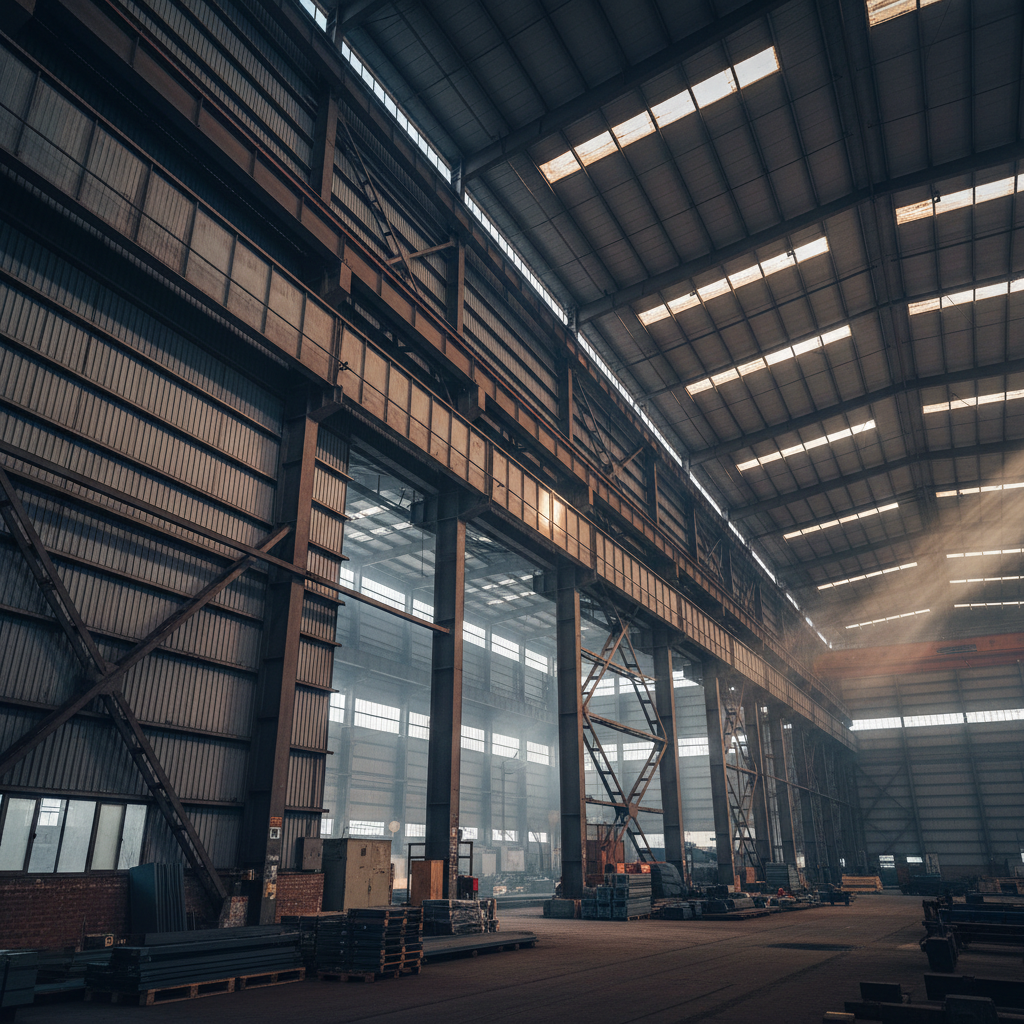
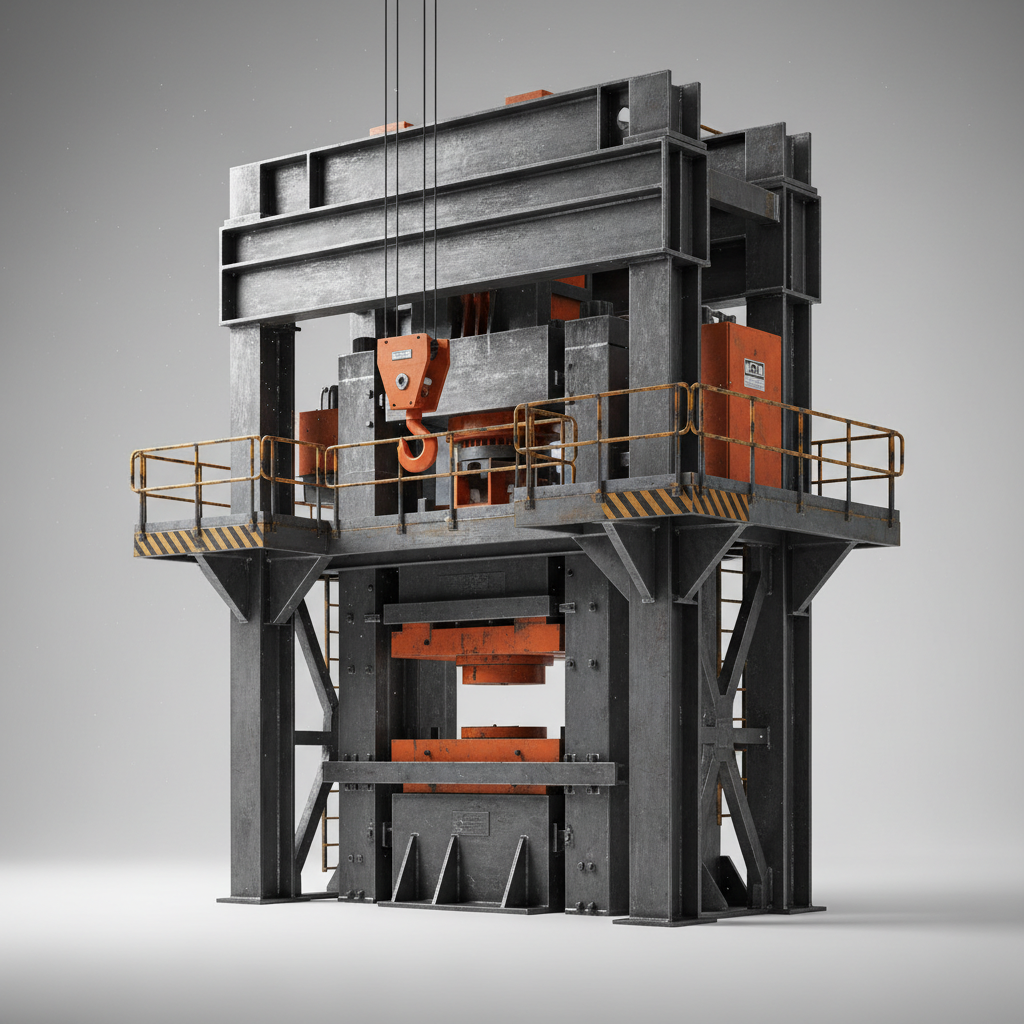
The demand for specialized structural solutions has led to the rise of garage workshop buildings, which combine the protective utility of a garage with the operational functionality of a professional workshop. These structures are no longer just simple sheds; they are engineered environments designed to facilitate high-precision mechanical work, automotive restoration, and artisanal manufacturing while safeguarding expensive equipment from environmental degradation.
Globally, the integration of steel-frame technology in these buildings has revolutionized how small-to-medium enterprises and hobbyists approach their workspace. By utilizing high-tensile steel and modular designs, these facilities offer a level of structural integrity and flexibility that traditional timber or masonry constructions simply cannot match, making them essential for modern industrial growth.
Understanding the nuances of designing and implementing garage workshop buildings is critical for maximizing operational efficiency. From optimizing natural light for detailed work to ensuring the flooring can withstand heavy machinery loads, the right structural choice directly impacts productivity, safety, and the long-term value of the property.
Global Relevance of Garage Workshop Buildings
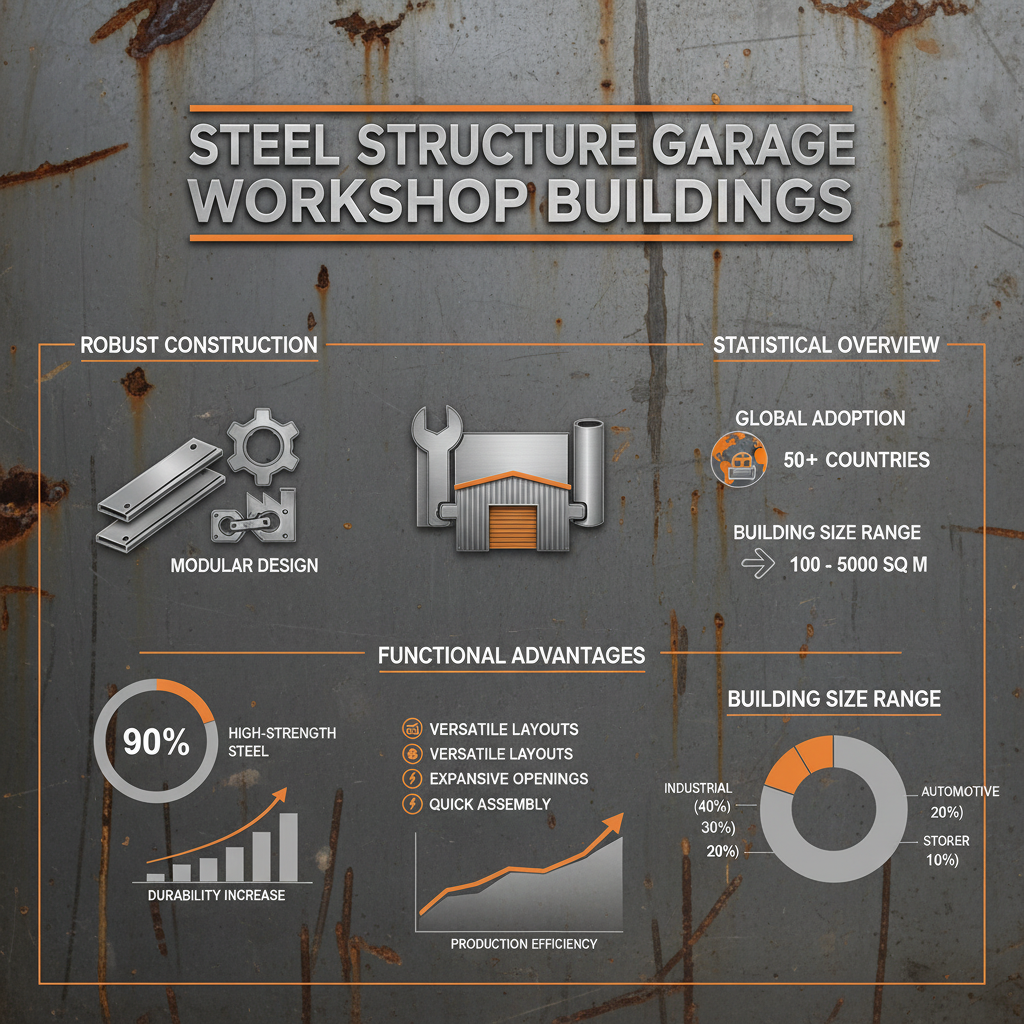
In the current global economic landscape, the proliferation of "micro-factories" and home-based technical businesses has surged. Industry data indicates a significant shift toward decentralized production, where garage workshop buildings serve as the primary infrastructure for innovation. According to international building trends, the shift toward prefabricated steel structures has reduced construction timelines by nearly 40%, allowing entrepreneurs to scale their operations rapidly.
The primary challenge addressed by these specialized buildings is the lack of versatile, climate-controlled spaces that can handle heavy industrial loads while remaining cost-effective. Traditional residential garages often lack the ceiling height for vehicle lifts or the ventilation required for welding and painting, creating a gap that professional steel workshop buildings effectively fill.
Defining Modern Garage Workshop Buildings
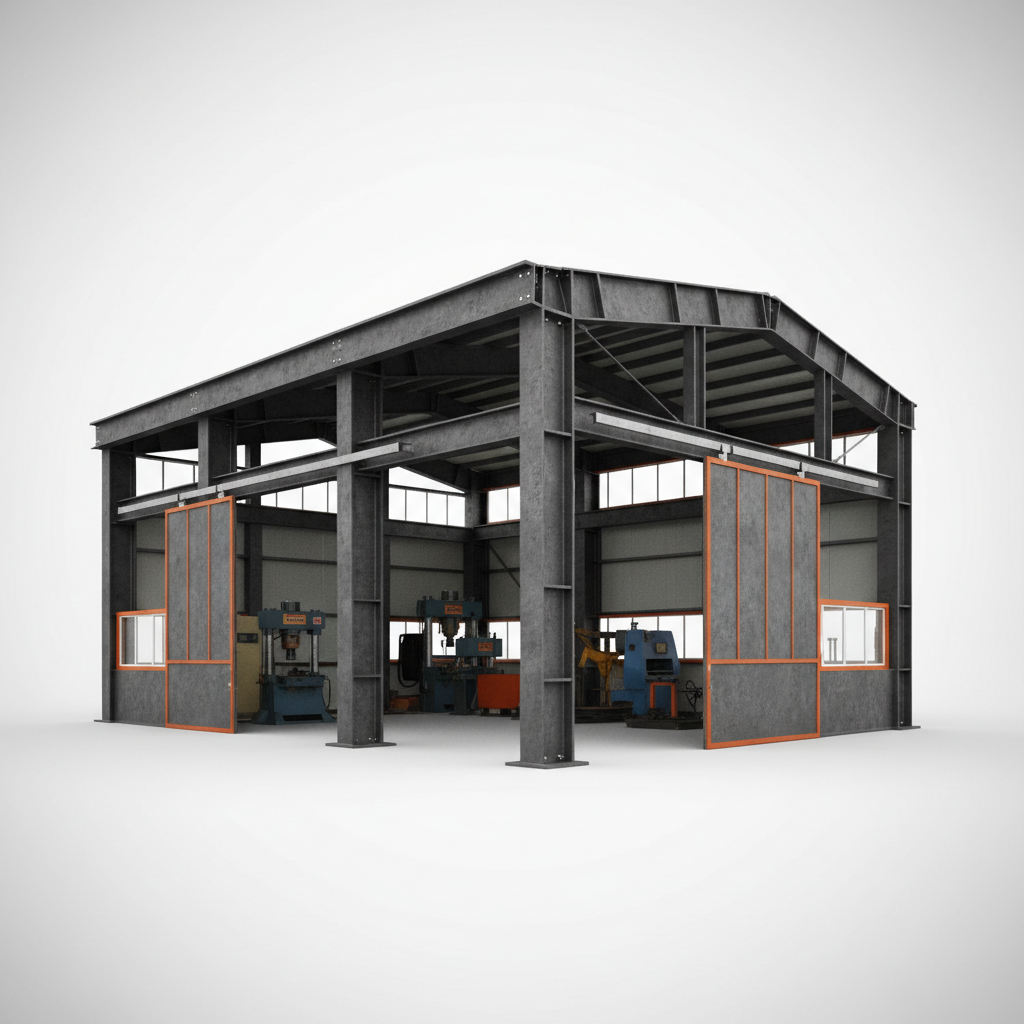
At its core, a garage workshop building is a hybrid architectural solution designed to merge secure vehicle storage with a high-functioning industrial workspace. Unlike a standard garage, these buildings are engineered with reinforced foundations and wide-span steel frames to eliminate internal columns, providing an unobstructed floor plan that is essential for moving large machinery or vehicles.
These structures are deeply connected to the modern "maker movement" and the rise of specialized automotive and engineering services. By utilizing materials such as galvanized steel and insulated cladding, they provide a controlled environment that protects sensitive electronic equipment and precision tools from humidity and temperature fluctuations, which is a critical requirement for ISO-compliant workshops.
Furthermore, the definition of these buildings has expanded to include multi-functional zones. Many contemporary designs now integrate an office mezzanine or a clean-room area, allowing the user to manage the business side of their operation without leaving the industrial zone, thereby maximizing the utility of the building's footprint.
Core Components for Structural Success
Durability is the cornerstone of high-quality garage workshop buildings, achieved primarily through the use of high-grade structural steel. This ensures that the building can withstand extreme weather conditions and the vibration caused by heavy machinery without suffering from structural fatigue over time.
Scalability is another vital factor; modular steel designs allow owners to expand their workshop buildings as their business grows. By adding additional bays or extending the length of the main frame, users can increase their capacity without the need for a complete demolition and rebuild, ensuring a sustainable growth path.
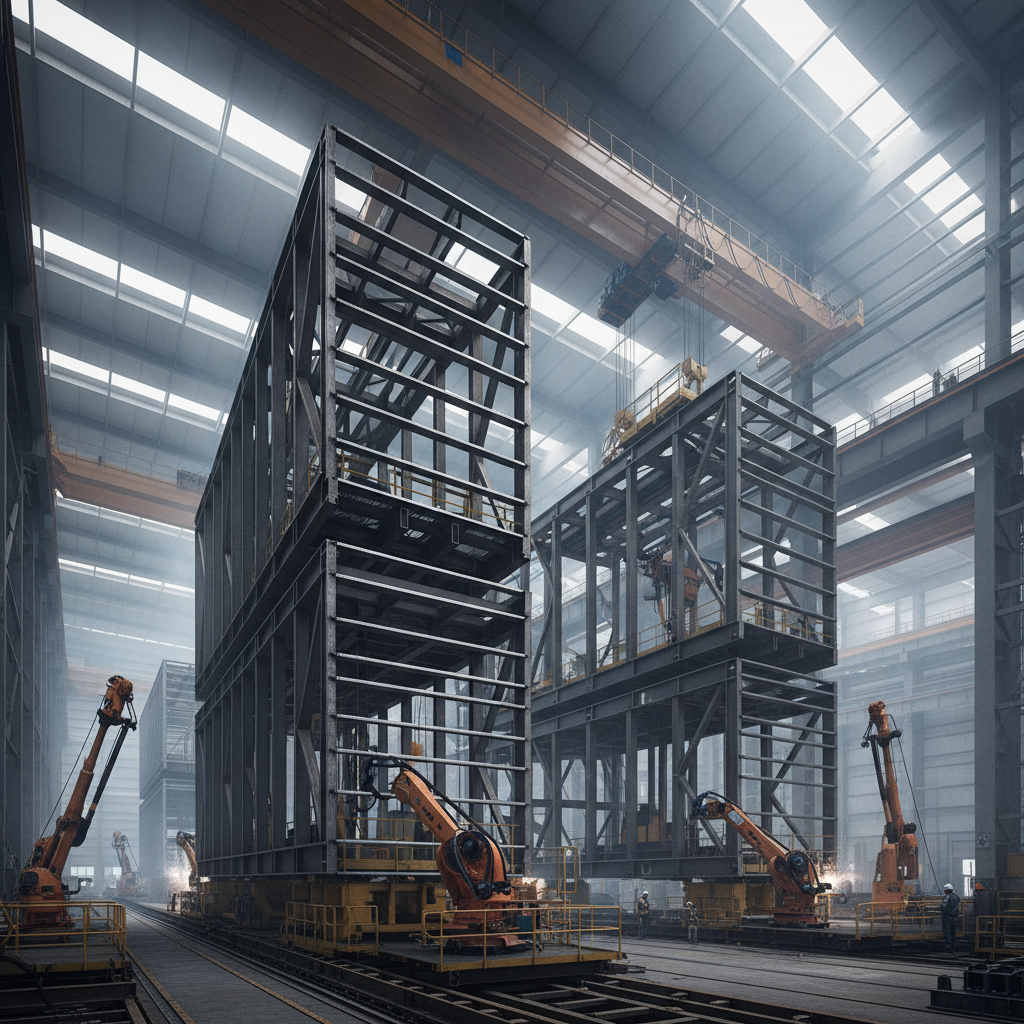
Cost efficiency is realized through the precision of prefabricated components. Because the majority of the structural elements for garage workshop buildings are manufactured in a controlled factory setting, onsite waste is minimized and labor costs are significantly reduced, offering a faster return on investment for the owner.
Efficiency Metrics in Workshop Design
Evaluating the performance of garage workshop buildings requires a look at key operational metrics, including spatial utilization and thermal efficiency. A well-designed workshop maximizes every square inch of the floor area while maintaining safe egress paths, which directly correlates to the hourly output of the technicians working inside.
Moreover, the integration of advanced insulation materials in steel buildings helps maintain a steady internal temperature, reducing the energy costs associated with heating and cooling. This environmental control is not just about comfort; it is essential for the longevity of tools and the curing process of industrial paints and adhesives.
Performance Rating of Various Garage Workshop Buildings Designs
Global Applications and Real-World Use Cases
In remote industrial zones, garage workshop buildings are frequently deployed as rapid-response maintenance hubs for mining and oil operations. Their ability to be shipped in containers and assembled quickly makes them ideal for harsh environments where traditional construction is impossible due to terrain or weather constraints.
Similarly, in urban centers, these buildings are repurposed as boutique automotive studios or high-end fabrication shops. The sleek aesthetic of modern steel cladding combined with large glass frontage allows these workshops to serve both as a production facility and a showroom, blending industrial utility with commercial appeal.
Long-Term Value and Sustainability Benefits
The long-term value of investing in steel garage workshop buildings lies in their exceptional lifespan and low maintenance requirements. Unlike wood, steel is resistant to termites and rot, and with modern anti-corrosion coatings, these buildings can last for decades with minimal upkeep, ensuring that the asset appreciates over time.
From a sustainability perspective, steel is one of the most recycled materials on the planet. When a workshop building reaches the end of its lifecycle, the structural members can be reclaimed and recycled, significantly reducing the environmental footprint compared to concrete or timber structures.
Moreover, the reliability of these structures provides a psychological sense of security. Knowing that high-value equipment and personnel are protected by a storm-rated steel shell fosters a culture of innovation and trust, allowing business owners to focus on their craft rather than worrying about facility failure.
Future Innovations in Steel Workshop Tech
The future of garage workshop buildings is being shaped by the integration of "Smart Building" technologies. We are seeing the implementation of automated climate control systems and IoT-enabled lighting that adjusts based on the task being performed, significantly reducing energy waste and improving worker ergonomics.
Additionally, the move toward "Green Steel"—produced using hydrogen instead of carbon—will further enhance the eco-credentials of these structures. Integration with renewable energy sources, such as solar panels installed on the expansive roof surfaces of workshop buildings, is turning these facilities into energy-neutral hubs.
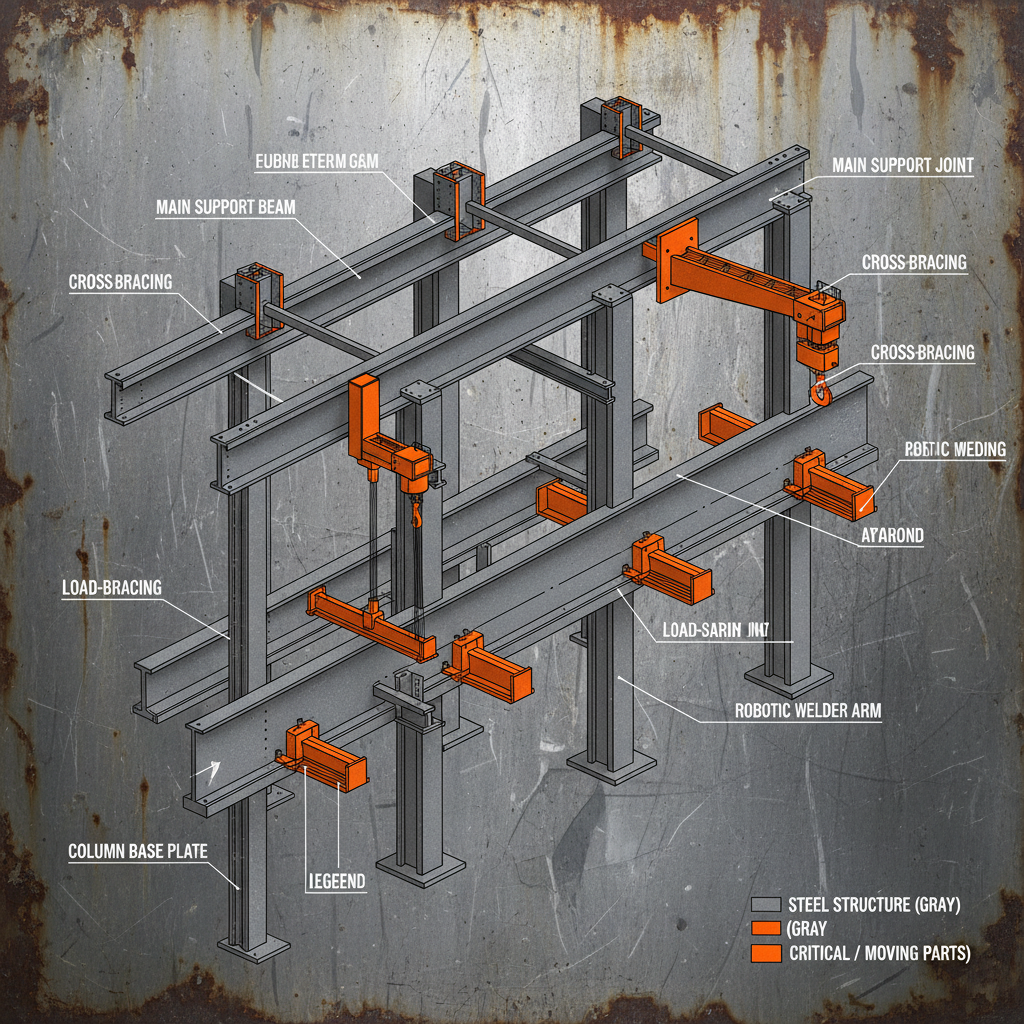
Automation is also playing a role, with some new designs incorporating robotic rail systems built directly into the steel framework. This allows for the automated movement of heavy components across the workshop floor, reducing manual labor and increasing safety.
Comparison of Future Technological Implementations in Garage Workshop Buildings
| Innovation Feature |
Impact on Efficiency |
Implementation Cost |
Sustainability Score |
| Solar-Integrated Roofing |
High (Energy Independence) |
Moderate |
10/10 |
| IoT Environmental Sensors |
Medium (Optimized Airflow) |
Low |
7/10 |
| Green Hydrogen Steel |
Neutral (Structural Only) |
High |
10/10 |
| Automated Component Rails |
Very High (Labor Reduction) |
High |
6/10 |
| Phase-Change Insulation |
High (Thermal Stability) |
Moderate |
8/10 |
| Prefabricated Modular Bays |
High (Quick Expansion) |
Moderate |
9/10 |
FAQS
Unlike standard sheds, garage workshop buildings are engineered with higher load-bearing capacities, reinforced flooring to support heavy machinery, and specialized ventilation and electrical systems. They are designed specifically for industrial activity rather than just storage, featuring wide-span frames to maximize usable interior space.
Yes, one of the primary advantages of steel construction is its modularity. Most modern garage workshop buildings are designed so that additional bays or structural extensions can be bolted onto the existing frame without compromising the building's integrity, allowing your facility to grow alongside your business.
With proper installation and high-quality anti-corrosion coatings, professional steel workshop buildings can easily last 30 to 50 years. Because they are resistant to pests, rot, and fire, they require significantly less maintenance than timber-based structures, making them a superior long-term investment.
Absolutely. By utilizing high-R-value insulation panels and airtight sealing techniques, garage workshop buildings can maintain stable internal temperatures regardless of the outside weather. This reduces heating costs and protects your equipment from freezing or condensation.
Yes, the foundation is critical. Depending on the equipment (like vehicle lifts or CNC machines), a reinforced concrete slab with specific thickness and psi ratings is required to prevent cracking and ensure the structural stability of the steel frame.
Because the components are prefabricated in a factory, onsite assembly is remarkably fast. While a traditional build might take months, a standard garage workshop building can often be erected in a matter of weeks, significantly reducing downtime for your business.
Conclusion
In summary, garage workshop buildings represent the perfect intersection of industrial strength and operational flexibility. By prioritizing durability, scalability, and energy efficiency, these steel structures empower entrepreneurs and technicians to create an environment that maximizes productivity while minimizing overhead. From the initial choice of high-tensile steel to the integration of smart technologies, every element of these buildings is designed to support long-term growth and professional excellence.
Looking ahead, the shift toward sustainable materials and automated facility management will only increase the value of these specialized workspaces. For those seeking to elevate their technical capabilities, investing in a professionally engineered steel workshop is not just a construction project—it is a strategic business move. We invite you to explore our comprehensive range of structural solutions to build your future. Visit our website: www.hongjishunda.com