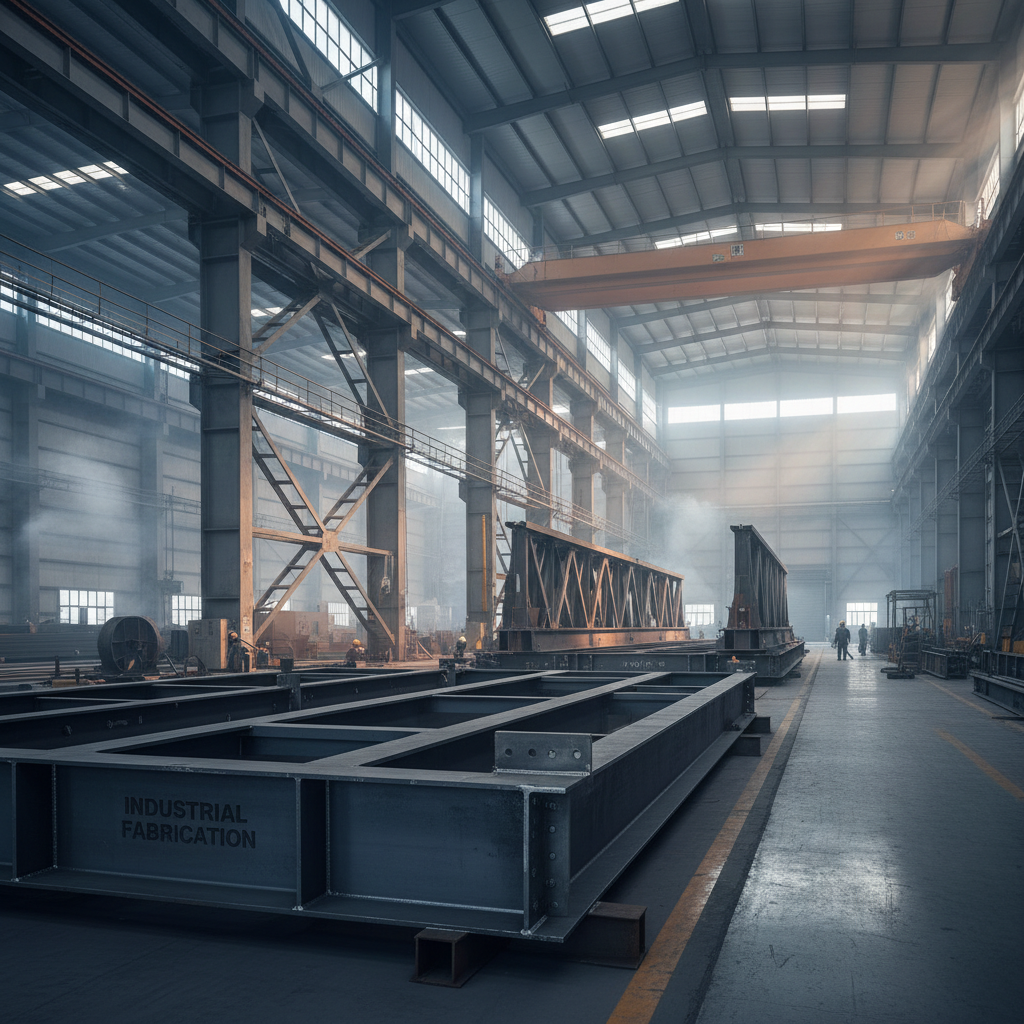
The concept of garden workshop buildings has evolved from simple storage sheds into sophisticated, multi-functional hubs for creativity, craftsmanship, and professional home-based businesses. In an era where remote work and artisanal hobbies are surging, having a dedicated, structurally sound space separated from the main living area is no longer a luxury but a strategic investment in productivity and mental well-being.
Globally, the demand for high-quality steel-framed backyard structures is rising as homeowners seek durable alternatives to traditional timber. These modern constructions offer an unparalleled blend of industrial strength and aesthetic flexibility, allowing users to customize their environment for everything from heavy-duty woodworking to high-tech electronic laboratories.
Understanding the technical nuances of these structures—from foundation requirements to thermal insulation—is essential for anyone looking to maximize the utility of their outdoor space. By integrating professional steel engineering with residential design, garden workshop buildings provide a permanent, weather-resistant sanctuary that adds significant real estate value to any property.
Global Relevance and Industry Context of Garden Workshop Buildings
The global shift toward "hybrid living" has catalyzed a massive increase in the construction of auxiliary residential structures. Industry data indicates a steady climb in the demand for prefabricated steel units, as the traditional construction sector struggles to keep pace with the need for fast, reliable, and cost-effective outbuildings. The rise of the "creator economy" has transformed garden workshop buildings from mere sheds into professional-grade studios.
However, many homeowners face the challenge of choosing between flimsy DIY kits and overly expensive traditional builds. This gap has created a significant opportunity for engineered steel solutions that provide the strength of an industrial warehouse with the scale of a residential annex, ensuring that the structure can withstand diverse climatic conditions while maintaining energy efficiency.
Defining Modern Garden Workshop Buildings
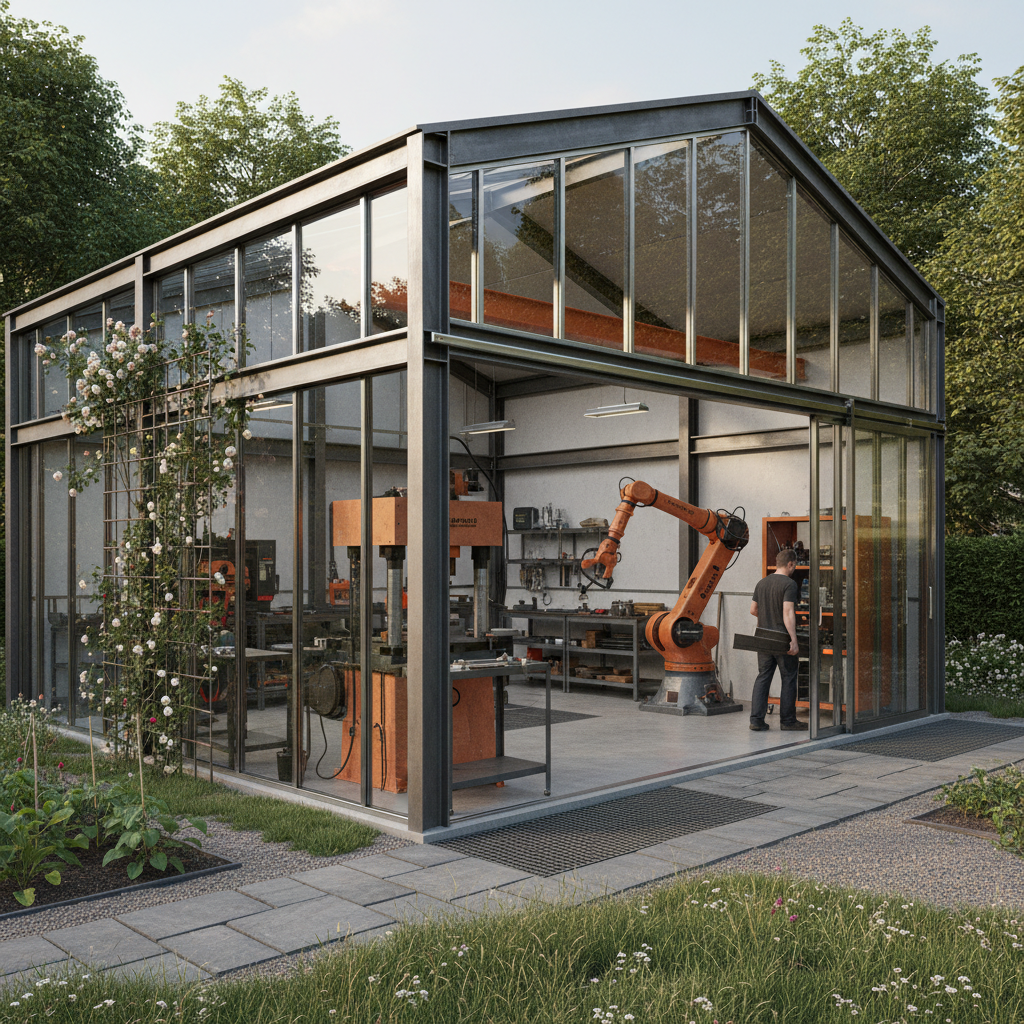
At its core, garden workshop buildings are specialized detached structures designed to facilitate technical work, artistic creation, or mechanical repair within a residential garden setting. Unlike a standard garden shed, these buildings are engineered with load-bearing frames—typically steel—that allow for wide open spans, high ceilings, and the installation of heavy machinery without compromising structural integrity.
In the context of modern industry, these buildings bridge the gap between residential comfort and industrial utility. They are often integrated with advanced cladding and insulation, transforming them into climate-controlled environments. This is particularly crucial for precision work, such as 3D printing, electronics repair, or fine woodworking, where temperature and humidity fluctuations can affect the quality of the output.
Beyond the technical definition, these spaces address a humanitarian need for mental separation between work and home. By relocating a noisy or messy workshop to a dedicated steel structure in the garden, homeowners can preserve the tranquility of their primary living space while fostering a professional atmosphere for their vocational pursuits.
Core Engineering Components for Durability
The primary pillar of high-performance garden workshop buildings is the structural frame. Utilizing cold-rolled or hot-rolled steel ensures that the building can support heavy roof loads, including snow or solar panels, while remaining resistant to pests, rot, and fire—common failings of timber-based workshops.
Scalability and modularity are equally critical. Modern steel designs allow for easy expansion; if a hobbyist's business grows, adding a bay or extending the length of the garden workshop buildings is a straightforward process compared to traditional masonry, which would require extensive demolition and reconstruction.
Finally, the integration of high-grade weatherproofing and thermal envelopes ensures long-term viability. By using sandwich panels with polyurethane or rock wool cores, these workshops maintain internal temperatures efficiently, reducing the operational cost of heating and cooling and protecting expensive tools from corrosion caused by dampness.
Performance Analysis of Structural Materials
When selecting the right foundation and framing for garden workshop buildings, users must weigh the trade-offs between various materials. Steel is widely regarded as the gold standard for those requiring a "forever" building, offering a lifespan that far exceeds treated wood or plastic composites.
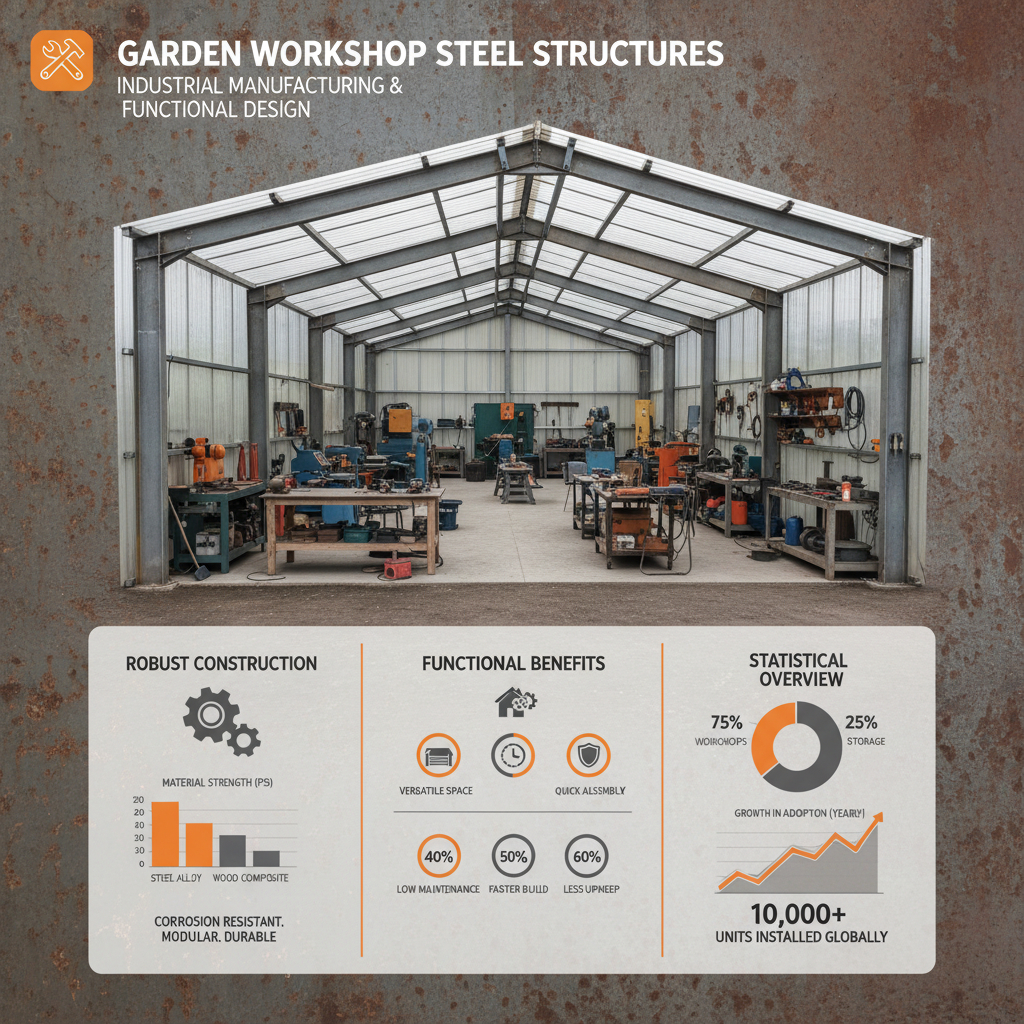
The following analysis compares different construction methodologies based on key performance indicators such as lifespan, installation speed, and structural rigidity, highlighting why engineered steel is the preferred choice for professional-grade workshops.
Comparative Efficiency of Garden Workshop Buildings Methods
Global Applications and Diverse Use Cases
The versatility of garden workshop buildings allows them to be adapted for a wide range of global needs. In North America and Europe, they are frequently used as "Man Caves" or professional art studios, where the ability to install large glass sliding doors provides the natural light necessary for painting and sculpting.
In more industrial or agricultural regions, these structures serve as critical maintenance hubs. For example, in remote farming zones, a steel-framed garden workshop is often the central point for tool repair and seed storage, providing a secure, vermin-proof environment that protects expensive equipment from the elements.
Long-Term Value and Sustainable Advantages
Investing in garden workshop buildings made from steel offers significant long-term financial advantages. From a real estate perspective, a permanent, high-quality outbuilding increases the overall square footage and utility of a property, often fetching a higher resale price than a home with a temporary shed.
Sustainability is another core benefit. Steel is one of the most recycled materials on the planet. By opting for a steel structure over timber, homeowners reduce the demand for deforestation and avoid the use of toxic chemical preservatives required to keep wood from rotting in wet ground conditions.
Furthermore, the logical angle of safety cannot be overlooked. The fire-resistant nature of steel provides peace of mind for those using welding equipment, plasma cutters, or high-voltage machinery, ensuring that a small accident in the workshop does not lead to a catastrophic loss of the entire backyard area.
Future Trends in Smart Workshop Design
The future of garden workshop buildings is intrinsically linked to the digital transformation of the home. We are seeing an integration of "Smart Building" technology, where sensors monitor internal humidity, temperature, and air quality to automatically trigger ventilation systems—essential for workshops dealing with paint fumes or sawdust.
Green energy is also playing a pivotal role. The flat or low-slope roofs of steel workshops are ideal platforms for photovoltaic (PV) arrays. Future designs are incorporating integrated battery storage systems, allowing the workshop to operate entirely off-grid, powering heavy machinery without putting strain on the main residential electrical panel.
Additionally, the rise of automation is influencing layout design. We are seeing a trend toward "modular interior kits" that can be swapped out as the user's needs change, allowing a garden workshop to evolve from a carpentry shop to a CNC machining center with minimal structural alteration.
Analysis of Technical Specifications for Various Workshop Scales
|
Building Scale
|
Recommended Frame
|
Insulation Level
|
Typical Use Case
|
| Compact (10-15 sqm) |
Light-gauge Steel |
Standard Foam |
Hobbyist/Tool Storage |
| Medium (20-40 sqm) |
Cold-Rolled Steel |
Rock Wool Core |
Professional Art Studio |
| Large (50-80 sqm) |
I-Beam Steel |
High-Density PIR |
Automotive Repair/Shop |
| Industrial (100+ sqm) |
Heavy Structural Steel |
Industrial Grade |
Small Scale Manufacturing |
| Hybrid (Mixed) |
Steel + Glass |
Double Glazed/Foam |
Office-Workshop Combo |
| Eco-Build (Green) |
Recycled Steel |
Hemp-based/Bio-foam |
Sustainable Craft Studio |
FAQS
In most jurisdictions, yes, especially if the structure exceeds a certain size or is permanently fixed to a concrete foundation. Because steel workshops are considered permanent improvements to the property, local zoning laws and building codes usually require a permit to ensure structural safety and proper drainage. We recommend checking with your local planning department before beginning construction.
Steel offers several critical advantages over wood, including total resistance to termites, rot, and fire. While wood can warp over time due to moisture, steel maintains its structural integrity indefinitely. Additionally, steel allows for much wider interior spans without the need for supporting columns, giving you more usable floor space for machinery and movement.
Absolutely. Modern steel buildings typically use sandwich panels (SIPs) with an insulating core of polyurethane or rock wool. This creates a thermal barrier that keeps the interior warm in winter and cool in summer. When paired with a small HVAC unit or a heat pump, your workshop becomes a comfortable year-round environment regardless of external weather.
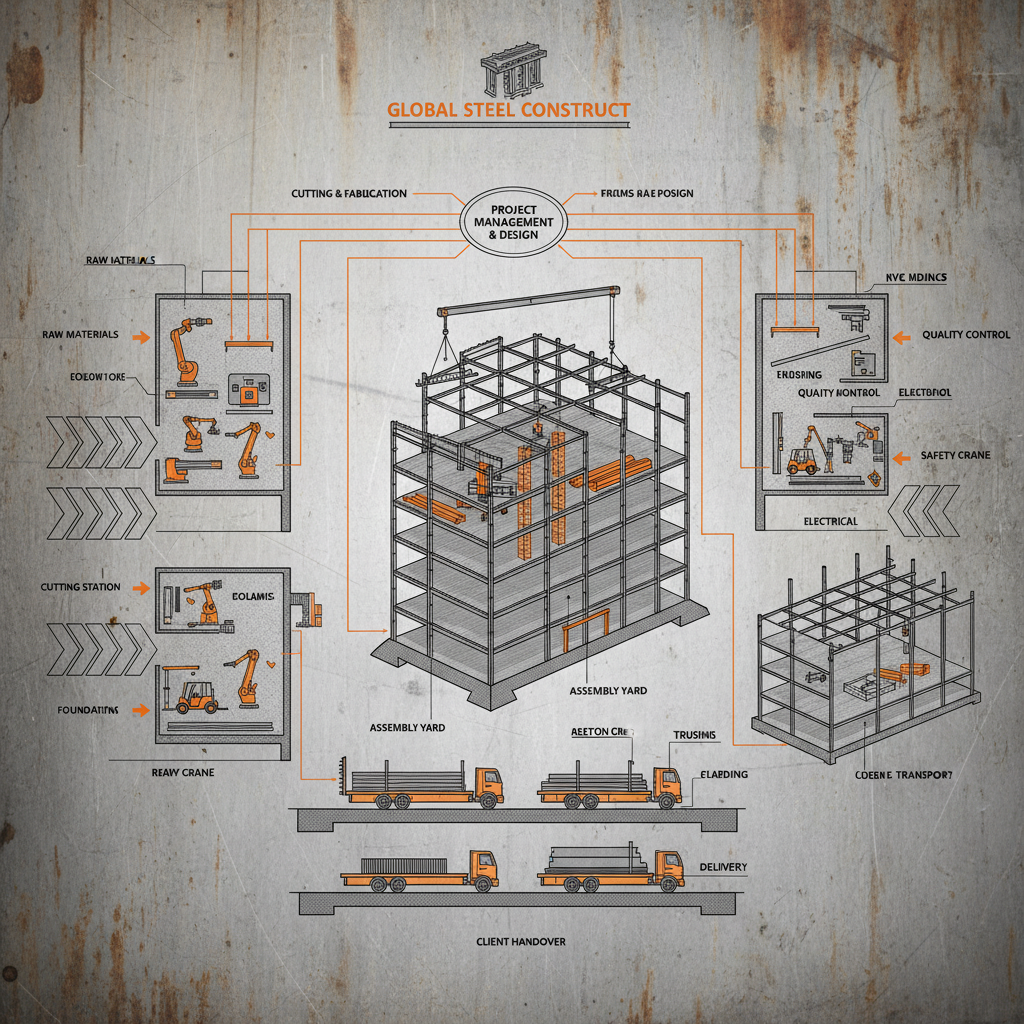
One of the biggest perks of prefabricated steel is the speed of deployment. Once the foundation (slab) is cured, the actual assembly of the frame and cladding often takes only a few days to a couple of weeks. This is significantly faster than traditional brick-and-mortar construction, which can take months and involves more on-site waste.
Yes, steel is one of the most sustainable building materials because it is 100% recyclable without loss of quality. Furthermore, steel buildings require fewer chemical preservatives than treated lumber and are more energy-efficient when properly insulated, reducing the overall carbon footprint of the building's lifecycle.
Yes, the open-span nature of steel framing means you aren't restricted by load-bearing interior walls. You can freely install workbenches, heavy machinery, mezzanine levels for storage, or partitioned office spaces. The flexibility of steel allows you to reorganize your workflow as your projects and tools evolve over time.
Conclusion
In summary, garden workshop buildings represent the ideal intersection of industrial strength and residential convenience. By prioritizing high-grade steel construction, homeowners can secure a durable, fire-resistant, and scalable space that caters to both professional needs and personal passions. From the initial choice of structural frames to the integration of smart energy solutions, these buildings provide a lasting asset that enhances both the functionality and the value of a property.
As we move toward a future of more flexible work-life boundaries, the importance of having a dedicated, high-performance creative sanctuary cannot be overstated. Whether you are an artisan, an engineer, or a hobbyist, investing in a professionally engineered steel workshop is a commitment to your craft and your quality of life. For those ready to transform their backyard into a powerhouse of productivity, we invite you to explore the best in structural engineering. Visit our website: www.hongjishunda.com