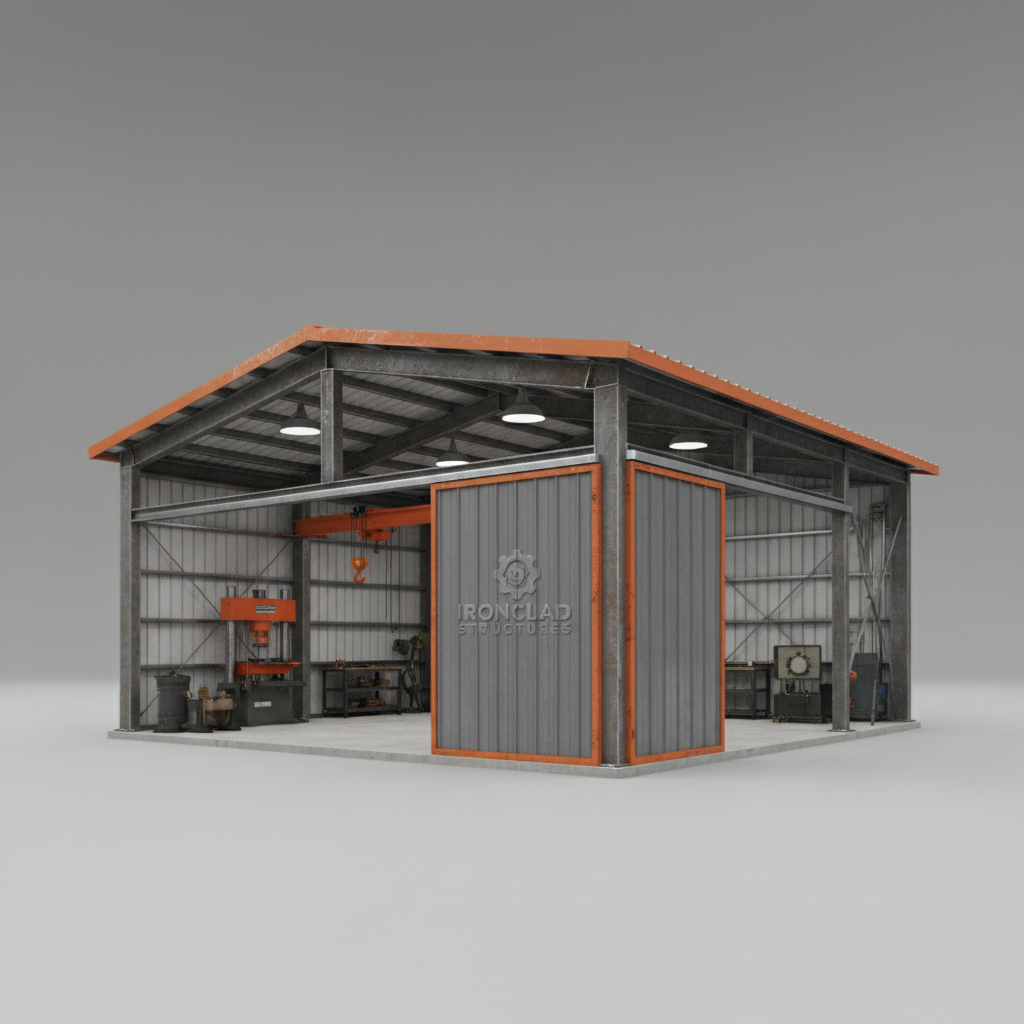
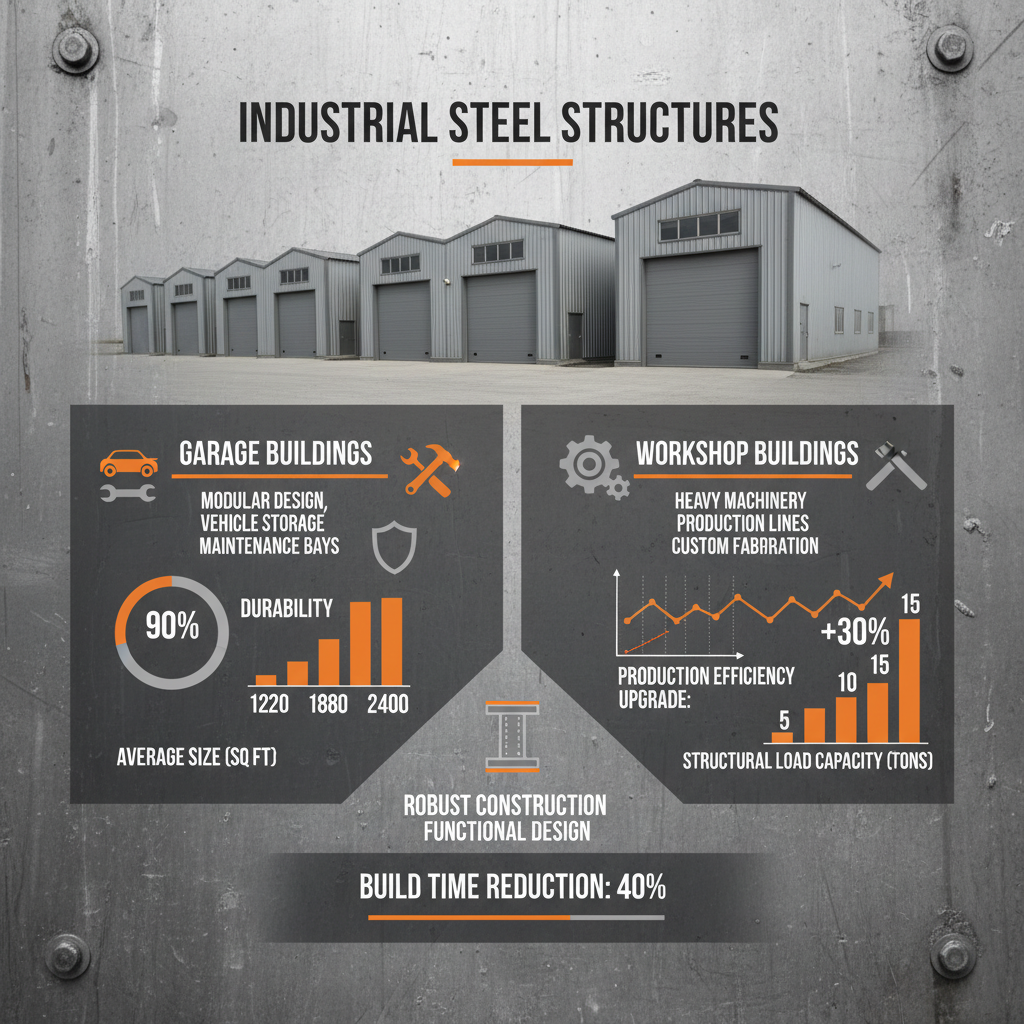
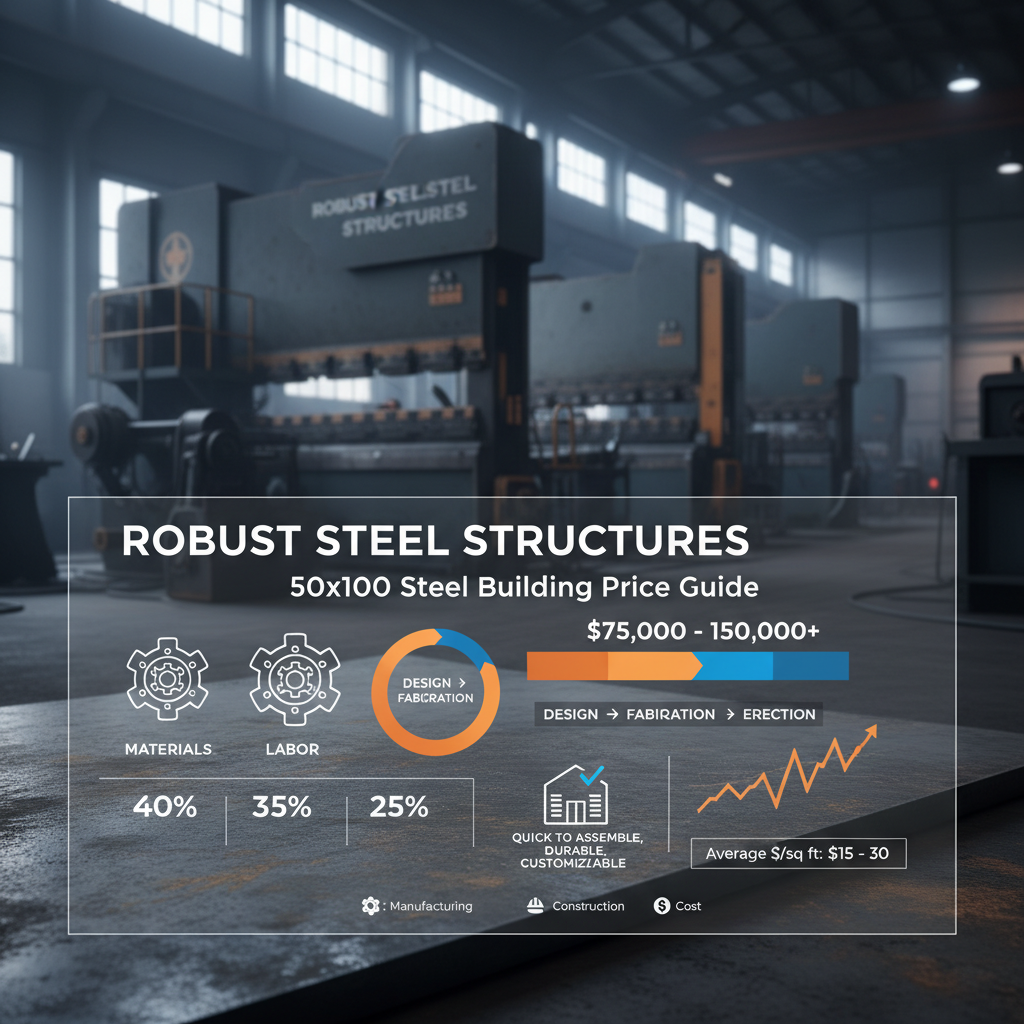
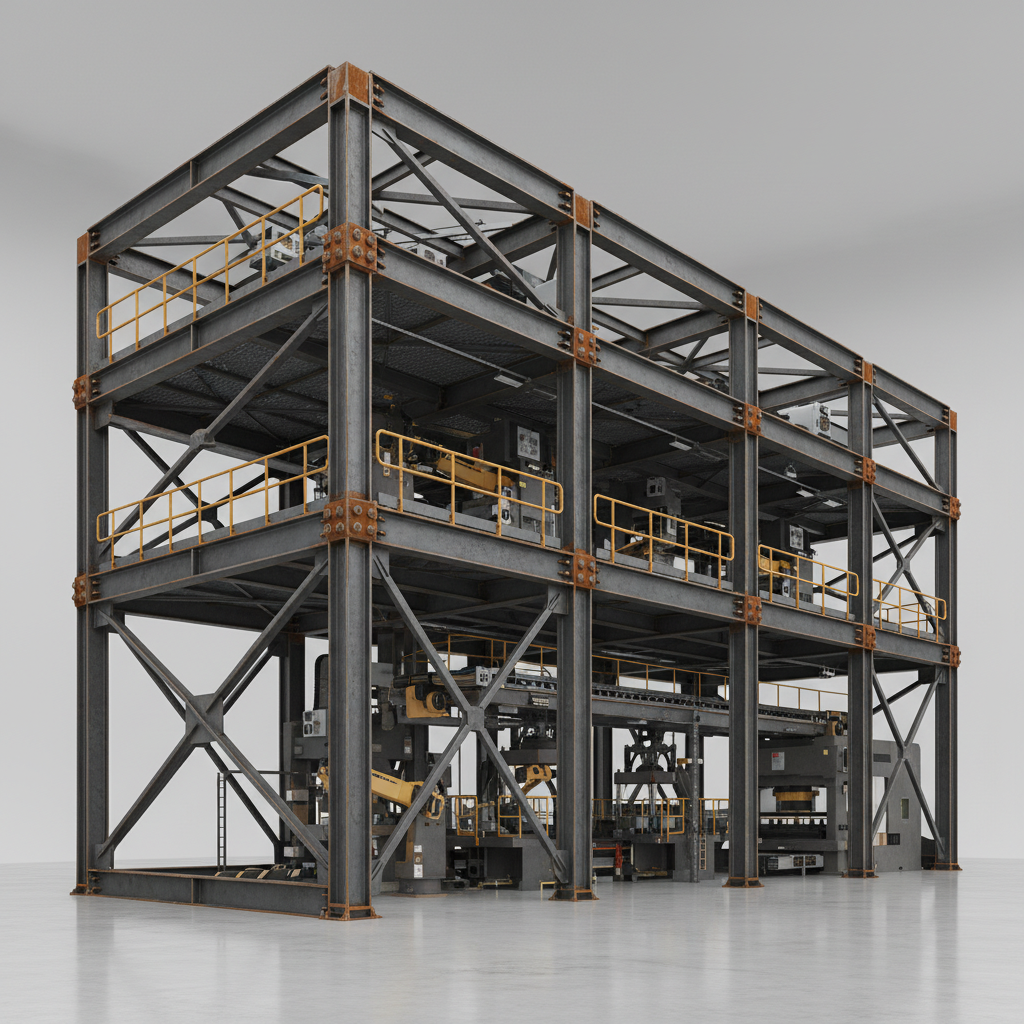
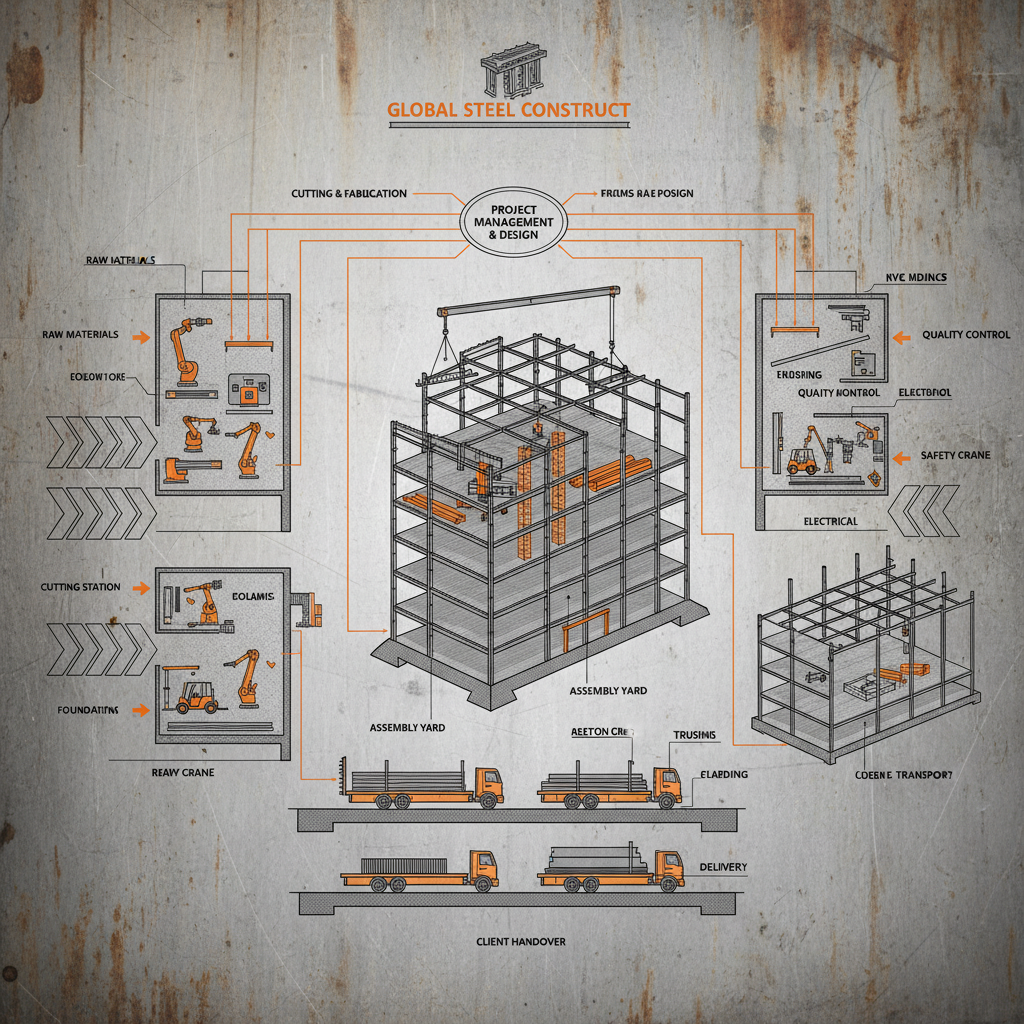
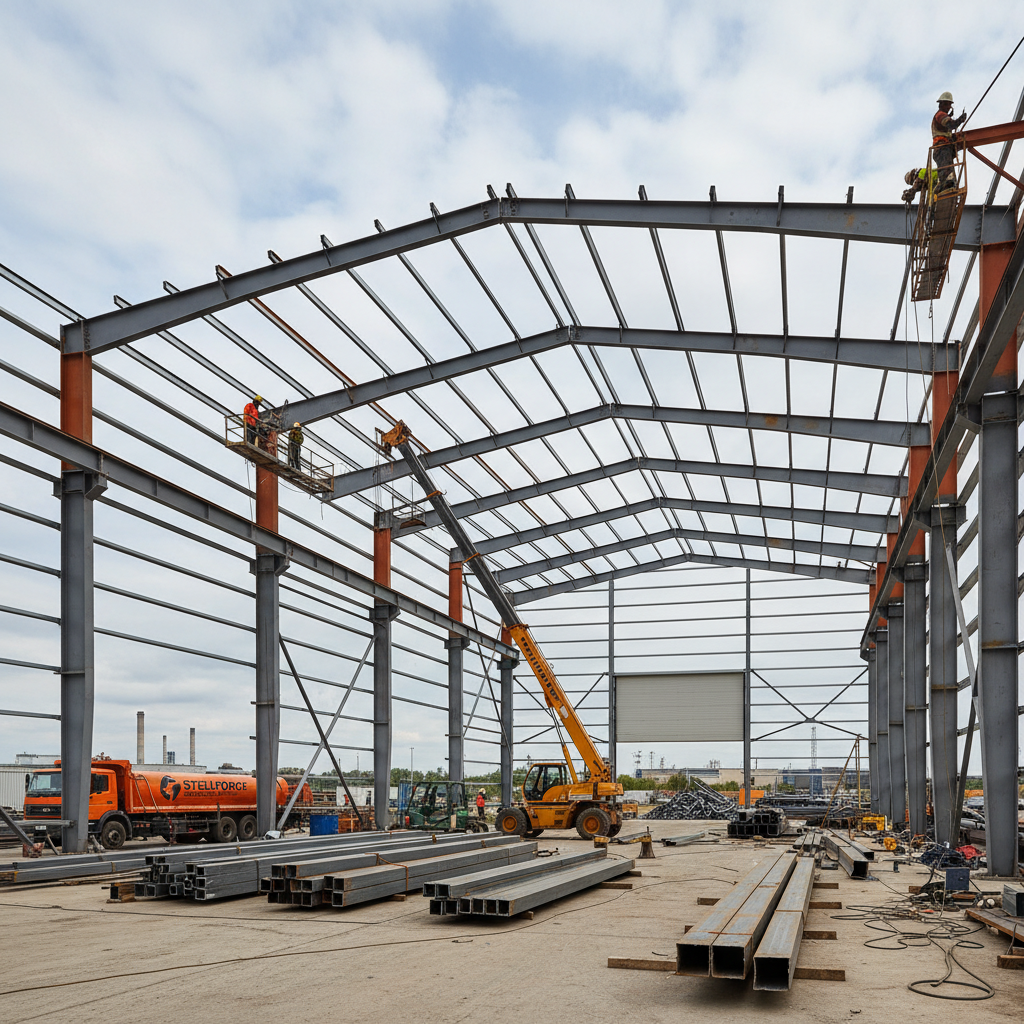
Garage and workshop buildings are essential components of modern infrastructure, serving a diverse range of needs from secure vehicle storage to specialized manufacturing and repair facilities. Globally, the demand for robust, cost-effective, and rapidly deployable building solutions is surging, driven by economic growth, urbanization, and increasing requirements for specialized workspaces. These structures aren't merely about shelter; they're about enabling productivity, fostering innovation, and supporting essential industries.
The importance of garage and workshop buildings extends beyond simply providing space. They represent a critical link in supply chains, supporting industries like automotive, construction, agriculture, and logistics. Efficient, well-designed workshops contribute to increased efficiency, reduced operational costs, and enhanced worker safety. In developing nations, these buildings play a vital role in facilitating economic empowerment and local skill development.
Understanding the nuances of garage and workshop building design, construction, and maintenance is paramount for businesses and individuals alike. Choosing the right structure, considering factors like material, size, and location, can have a significant impact on long-term success and profitability. garage and workshop buildings offer a versatile and adaptable solution to a wide array of spatial needs.
The Foundation of Garage and Workshop Buildings
Garage and workshop buildings represent a crucial sector of the construction industry, built upon principles of durability, functionality, and cost-effectiveness. From small, single-car garages to expansive industrial workshops, these structures serve as the backbone for countless businesses and hobbies. The foundation lies in understanding the specific needs of the end-user, tailoring the design to maximize space and efficiency. garage and workshop buildings are integral to many industries.
The selection of materials plays a pivotal role in defining the lifespan and performance of these buildings. Steel, in particular, has emerged as a preferred choice due to its strength, versatility, and relatively low maintenance requirements. Properly engineered steel structures can withstand extreme weather conditions and provide a secure environment for valuable tools, equipment, and ongoing operations.
Defining Garage and Workshop Structures
Garage and workshop buildings are defined as enclosed structures primarily designed for the storage of vehicles, tools, and equipment, and often utilized for repair, manufacturing, or hobby-related activities. A garage typically focuses on vehicle storage and light maintenance, while a workshop emphasizes space for hands-on work, often involving specialized tools and equipment. However, the lines between the two are frequently blurred, and many buildings serve a dual purpose.
These structures are fundamental to modern industry and personal pursuits, providing a dedicated space for activities that would otherwise be impractical or impossible to undertake. They contribute significantly to economic activity, enabling businesses to operate efficiently and individuals to pursue their passions. The demand for adaptable and customizable garage and workshop buildings is constantly evolving.
The connection to modern industry stems from the need for controlled environments for assembly, fabrication, and quality control. Many manufacturing processes require clean, well-lit, and secure spaces to maintain product integrity and worker safety. Workshops, in this context, are essential hubs for innovation and production, fostering economic growth and technological advancement.
Core Components & Key Considerations
Several key factors contribute to the successful design and construction of garage and workshop buildings. Durability is paramount, requiring robust materials and sound engineering to withstand environmental stresses and heavy use. This involves selecting appropriate steel grades, ensuring proper foundation support, and incorporating weather-resistant cladding. garage and workshop buildings are built for longevity.
Scalability is another crucial aspect. Businesses and individuals often require the flexibility to expand their workspace as their needs evolve. Modular steel construction offers a particularly advantageous solution, allowing for easy additions and modifications without major disruptions. This ensures the building can adapt to future growth and changing requirements.
Cost Efficiency is a key driver in building design. Steel structures generally offer a lower total cost of ownership compared to traditional construction methods, thanks to reduced material waste, faster construction times, and lower maintenance requirements. Accessibility and Ventilation are also vital. Clear spans and ample ventilation enhance workflow and safety. Finally, Security features, such as reinforced doors and windows, protect valuable assets.
Global Applications & Industry Impact
Garage and workshop buildings find diverse applications across the globe, supporting a wide range of industries. In the automotive sector, workshops are essential for vehicle maintenance, repair, and customization. The agricultural industry utilizes these buildings for equipment storage, livestock sheltering, and crop processing. Manufacturing facilities rely on spacious workshops for assembly lines, fabrication, and quality control.
In post-disaster relief operations, rapidly deployable steel workshops can provide essential space for emergency repairs, medical facilities, and temporary housing. Remote industrial zones, such as mining operations and oil rigs, often rely on prefabricated steel structures for on-site workshops and maintenance facilities. These buildings are readily transported and assembled, minimizing downtime and maximizing operational efficiency. garage and workshop buildings provide quick solutions.
From small artisan workshops in developing nations to large-scale industrial facilities in developed countries, these structures play a critical role in driving economic growth and innovation. The adaptability and versatility of steel construction make it a preferred choice for a wide array of applications, contributing to a more efficient and productive global economy.
Garage and Workshop Building Method Effectiveness
Advantages & Long-Term Value Proposition
Investing in a well-designed garage or workshop building offers a multitude of tangible benefits. Reduced construction time and labor costs, thanks to prefabricated steel components, translate into significant savings. Lower maintenance requirements minimize ongoing expenses, and the inherent durability of steel ensures a long service life. These financial advantages contribute to a higher return on investment.
Beyond the purely economic benefits, steel construction offers substantial sustainability advantages. Steel is a highly recyclable material, reducing environmental impact and promoting responsible resource management. Moreover, the energy efficiency of steel buildings, with proper insulation, can lower operational costs and reduce carbon emissions. garage and workshop buildings offer lasting value.
The emotional and logical value proposition extends to safety, security, and peace of mind. A robust, well-maintained workshop provides a secure environment for valuable tools, equipment, and ongoing operations, minimizing risks and fostering a sense of trust and reliability.
Future Trends & Technological Advancements
The future of garage and workshop building design is being shaped by several exciting trends. The integration of smart technologies, such as automated climate control, energy monitoring systems, and remote access control, is enhancing efficiency and security. 3D printing and robotic construction techniques are emerging as potential game-changers, enabling faster and more customized building processes.
Green energy solutions, such as solar panel integration and rainwater harvesting systems, are becoming increasingly common, reducing environmental impact and lowering operational costs. The development of new, high-performance steel alloys is further enhancing the durability and versatility of steel construction.
Addressing Challenges & Innovative Solutions
Despite the numerous advantages, several challenges remain in the garage and workshop building sector. Ensuring proper insulation and ventilation to maintain comfortable working conditions can be a complex undertaking. Managing condensation and preventing corrosion require careful attention to detail and the use of appropriate protective coatings.
Innovative solutions, such as advanced insulation materials, self-cleaning cladding systems, and corrosion-resistant steel alloys, are addressing these challenges head-on. The adoption of Building Information Modeling (BIM) software is streamlining the design and construction process, minimizing errors and improving coordination. garage and workshop buildings are constantly improving.
Furthermore, the development of more sustainable and eco-friendly construction practices is paramount, focusing on reducing waste, minimizing energy consumption, and maximizing the use of recycled materials.
Summary of Challenges & Solutions in Garage and Workshop Building Design
| Challenge Area |
Impact on Building Performance |
Potential Solutions |
Implementation Cost (1-10) |
| Insulation & Thermal Control |
Energy Loss, Condensation, Worker Comfort |
Advanced Insulation Materials, Proper Ventilation |
6 |
| Corrosion Resistance |
Structural Integrity, Lifespan, Maintenance |
Protective Coatings, Galvanized Steel, Stainless Steel |
7 |
| Structural Stability |
Safety, Wind Resistance, Seismic Resilience |
Reinforced Steel Frames, Proper Foundation Design |
8 |
| Building Permitting & Regulations |
Project Delays, Increased Costs, Legal Issues |
Early Consultation with Authorities, Thorough Documentation |
5 |
| Material Sourcing & Supply Chain |
Project Delays, Increased Costs, Material Quality |
Diversified Supplier Network, Long-Term Contracts |
4 |
| Waste Management & Sustainability |
Environmental Impact, Disposal Costs, Regulatory Compliance |
Recycling Programs, Reduced Material Waste, Sustainable Materials |
3 |
FAQS
Steel structures offer several key advantages, including superior strength and durability, faster construction times, lower maintenance costs, and a high degree of design flexibility. Steel is also highly recyclable, making it an environmentally responsible choice. They are ideal for garage and workshop buildings that require long-term reliability and minimal upkeep. The inherent resilience of steel provides exceptional resistance to weather, pests, and fire.
Construction timelines for steel structures are significantly shorter compared to traditional building methods. A typical garage or workshop can be erected in a matter of weeks, sometimes even days, depending on the size and complexity of the project. This rapid construction minimizes disruption and allows businesses to resume operations quickly. Pre-engineered steel components and efficient assembly processes contribute to this accelerated timeline.
Steel construction offers a remarkable degree of customization. Buildings can be designed to meet specific size, shape, and functional requirements. Options include various roof styles, door configurations, window placements, and interior layouts. Prefabricated steel components can be readily adapted to accommodate unique architectural designs and operational needs, providing a tailored solution for your specific application.
While steel can corrode, several preventative measures can be implemented to protect it. Galvanizing, applying protective coatings, and utilizing corrosion-resistant steel alloys are common techniques. Regular maintenance, such as inspecting for and addressing any signs of corrosion, is also crucial. Proper design and ventilation can also help minimize moisture buildup and reduce the risk of corrosion in garage and workshop buildings.
Permitting requirements vary depending on local regulations and the size and scope of the project. Generally, you'll need to obtain building permits, zoning approvals, and potentially environmental clearances. It’s essential to consult with local authorities and a qualified building professional to ensure compliance with all applicable codes and regulations. Failing to do so can result in delays or legal issues.
Steel construction often offers a lower total cost of ownership compared to traditional methods. While the initial material cost may be comparable, faster construction times, reduced labor expenses, and lower maintenance requirements contribute to long-term savings. Additionally, steel’s durability and longevity minimize the need for costly repairs or replacements. The efficient use of materials also reduces waste and contributes to cost savings.
Conclusion
In conclusion, garage and workshop buildings, particularly those constructed with steel, represent a vital component of modern infrastructure, offering a compelling combination of durability, cost-effectiveness, and versatility. From supporting industrial operations to facilitating personal hobbies, these structures play a critical role in driving economic growth and enhancing quality of life. Understanding the key considerations and innovative solutions available ensures a successful and sustainable building project.
Looking ahead, the integration of smart technologies, sustainable materials, and advanced construction techniques will further enhance the value proposition of garage and workshop buildings. By embracing these advancements, we can create spaces that are not only functional and efficient but also environmentally responsible and adaptable to the evolving needs of our communities. Visit our website at www.hongjishunda.com to explore our range of garage and workshop buildings and discover how we can help you build your vision.