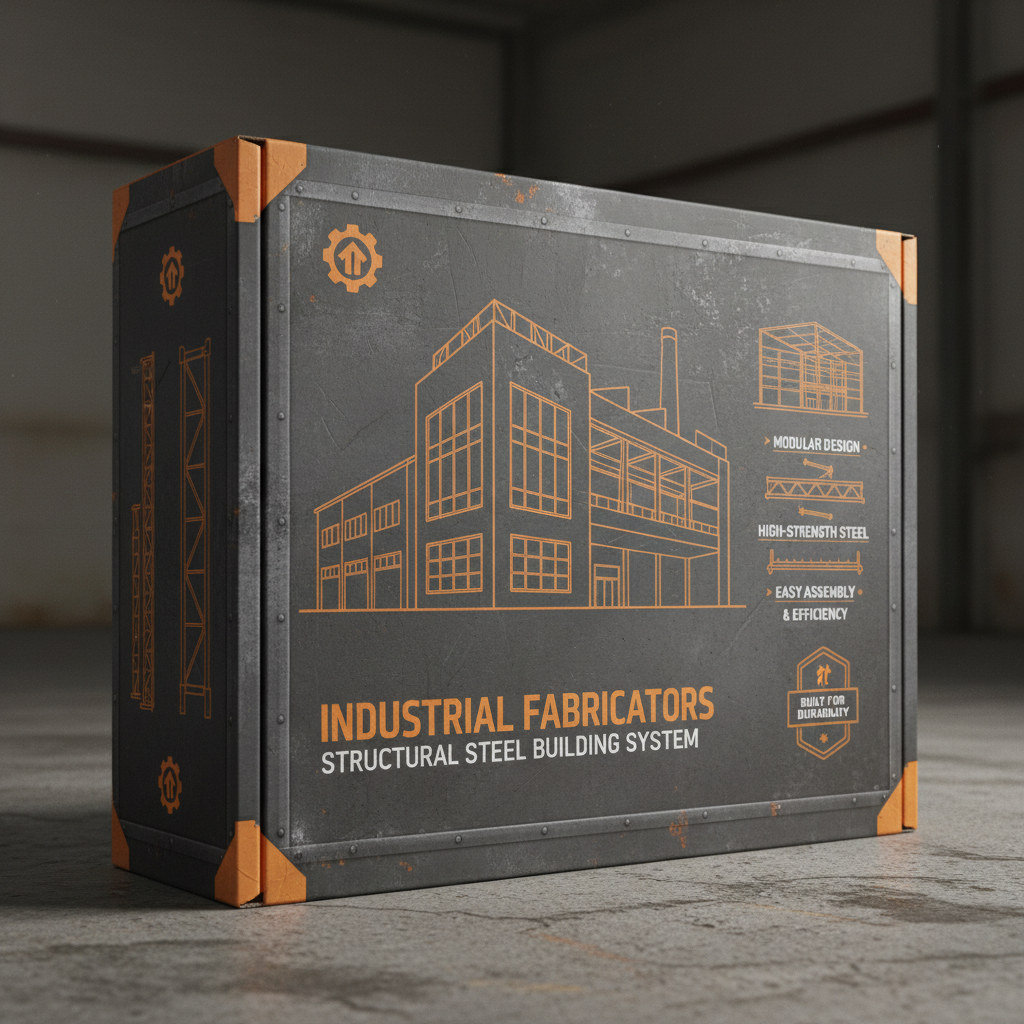
Construction workshops are fundamental to modern infrastructure and industrial growth, providing controlled environments for the fabrication, assembly, and maintenance of structures. These specialized facilities are critical for sectors ranging from manufacturing and energy to transportation and defense. The demand for efficient and reliable construction workshops is globally increasing, driven by rapid urbanization, infrastructure development, and the need for cost-effective building solutions.
Globally, the construction workshop industry is a multi-billion dollar market experiencing consistent growth, particularly in emerging economies with ambitious infrastructure projects. Organizations like the United Nations and the World Bank increasingly rely on prefabricated and modular construction – often facilitated by specialized workshops – to address housing shortages and disaster relief needs. The importance of quality control and adherence to international standards (ISO certifications) within these workshops is paramount for ensuring structural integrity and safety.
Understanding the principles of effective construction workshop design and operation is vital for businesses looking to enhance productivity, reduce costs, and deliver high-quality projects. From steel fabrication workshops to precast concrete facilities, these environments represent a cornerstone of modern construction, playing a crucial role in realizing complex engineering visions. Investing in optimized workshop infrastructure translates to a significant competitive advantage in today’s demanding construction landscape.
The Evolution and Significance of construction workshops
Historically, construction relied heavily on on-site fabrication, a process often plagued by weather delays, quality control issues, and logistical challenges. The evolution of specialized construction workshops addressed these limitations by consolidating fabrication activities into controlled, indoor environments. This shift led to increased precision, reduced material waste, and accelerated project timelines.
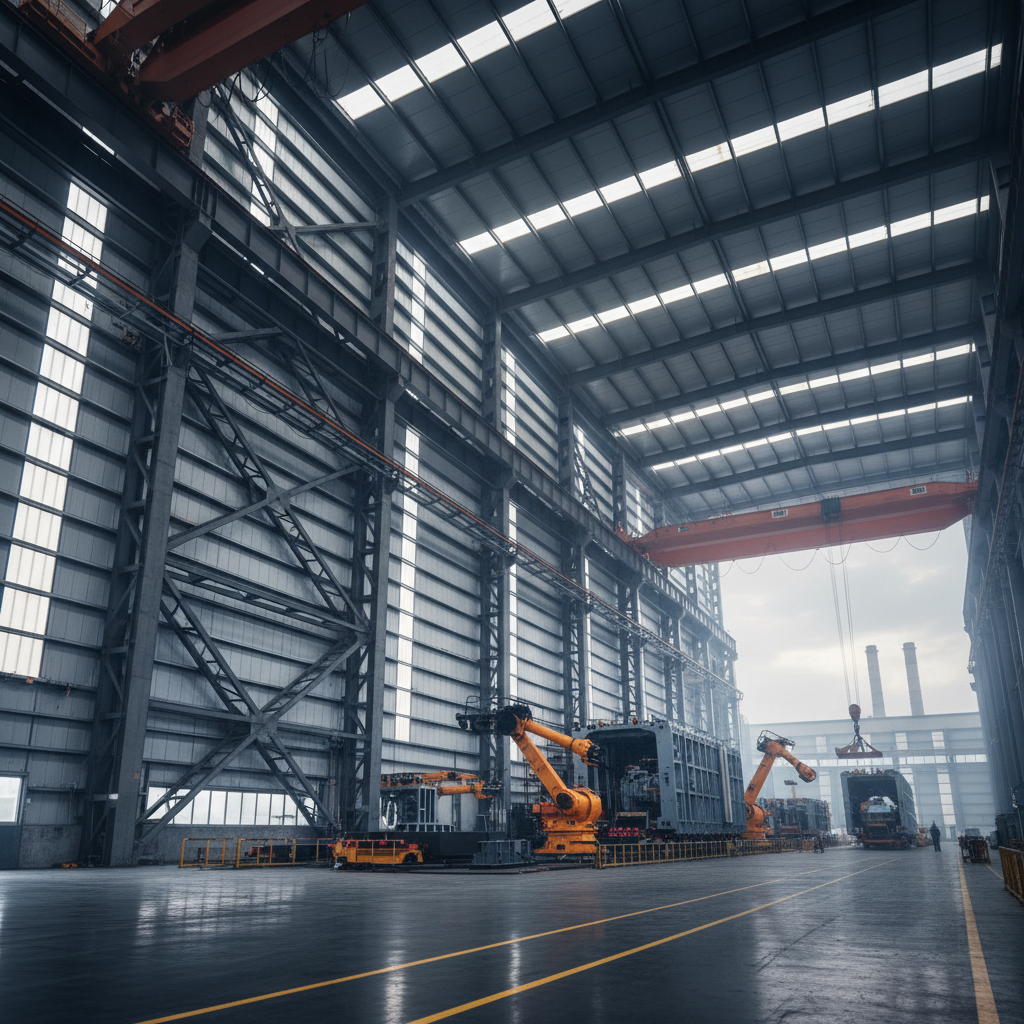
Today’s construction workshops represent sophisticated facilities equipped with advanced machinery, skilled labor, and robust quality assurance systems. They are integral to the success of large-scale infrastructure projects, complex industrial buildings, and prefabricated housing solutions. The efficiency of these workshops directly impacts the overall cost and schedule of construction endeavors, making them a critical component of the modern building industry.
Defining Construction Workshops: Core Concepts
A construction workshop is a dedicated facility designed and equipped for the fabrication, assembly, and often, pre-installation of building components. These components can range from structural steel and precast concrete to modular building sections and intricate architectural elements. The core concept centers on shifting a significant portion of the construction process from the job site to a controlled factory-like setting.
This approach offers several advantages, including improved quality control, reduced weather-related delays, and enhanced worker safety. Modern construction workshops are often integrated with Building Information Modeling (BIM) technology, enabling precise fabrication based on detailed digital models. They are a vital link in the supply chain, ensuring that building components are delivered to the job site ready for efficient installation.
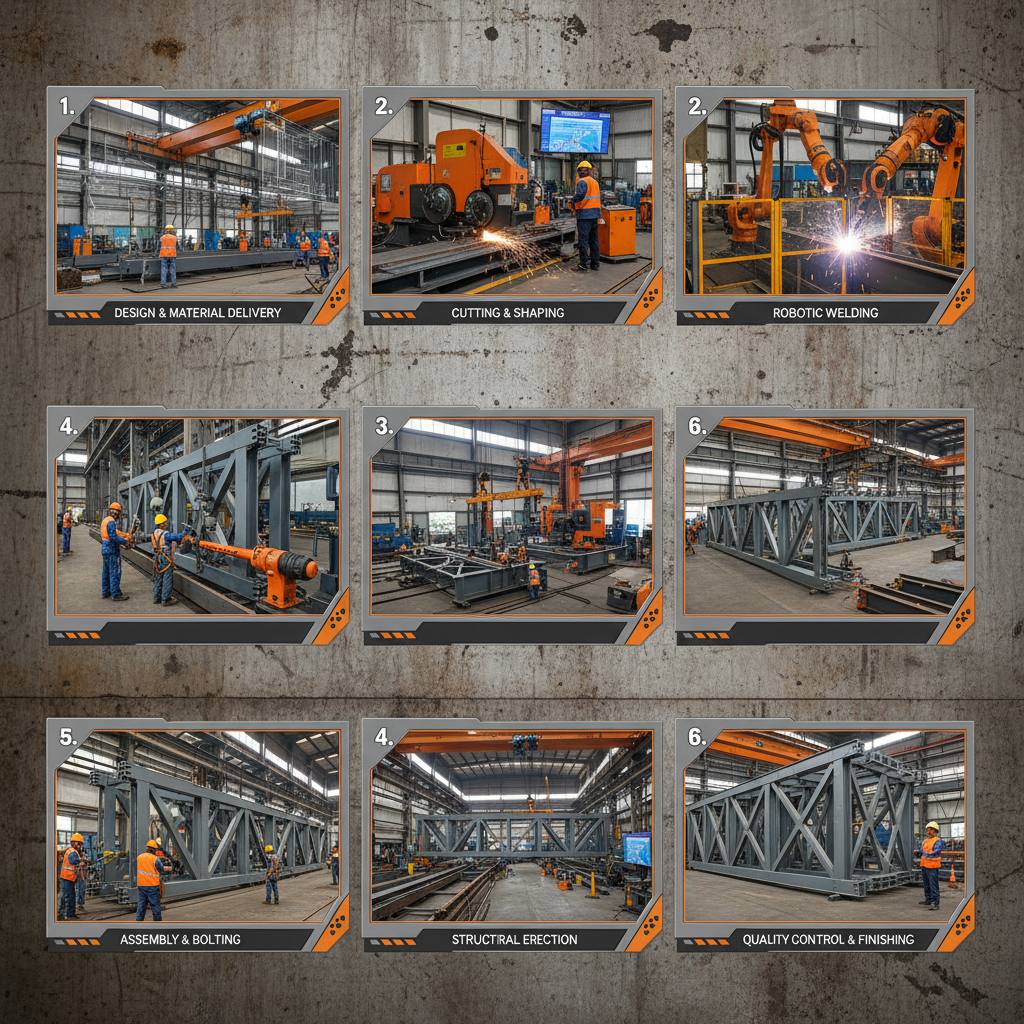
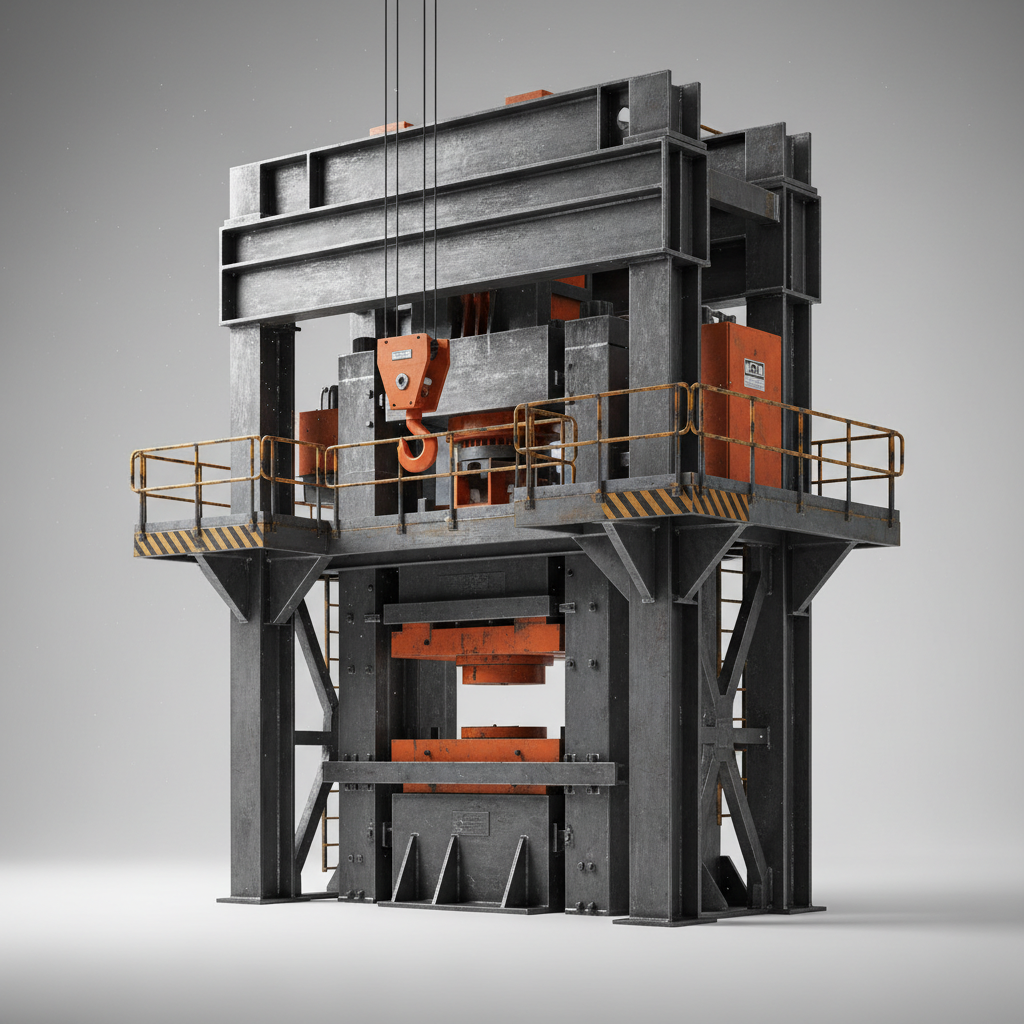
The definition of a construction workshop can vary depending on the specialization. Steel fabrication workshops focus on cutting, welding, and assembling steel structures, while precast concrete workshops concentrate on producing concrete components like walls, floors, and beams. However, the underlying principle remains the same: to optimize the construction process through off-site fabrication.
Key Factors Influencing Construction Workshop Efficiency
Several key factors contribute to the efficiency of a construction workshop. One crucial element is layout design, optimizing workflow to minimize material handling and travel distances. An efficient layout incorporates strategically placed machinery, designated assembly areas, and well-defined material storage zones. Proper ventilation, lighting, and ergonomic considerations are also vital for creating a productive and safe working environment.
Another critical factor is the integration of technology. Computer Numerical Control (CNC) machines, robotic welding systems, and automated cutting equipment can significantly enhance precision and speed up fabrication processes. Furthermore, effective inventory management systems are essential for ensuring that materials are readily available when needed, minimizing downtime and delays. Accurate shop drawings and close collaboration with project stakeholders are also vital for preventing errors and rework.
Finally, a highly skilled and well-trained workforce is paramount. Technicians and fabricators must be proficient in operating machinery, interpreting drawings, and adhering to quality control standards. Ongoing training and professional development are essential for keeping the workforce up-to-date with the latest technologies and best practices in construction workshop operations.
Global Applications of Specialized construction workshops
Specialized construction workshops play a vital role in numerous industries worldwide. In the oil and gas sector, they are used to fabricate complex offshore platforms and processing facilities. The renewable energy industry relies on workshops for constructing wind turbine towers and solar panel mounting structures. Similarly, the transportation sector utilizes them for producing bridge components, railway infrastructure, and even components for shipbuilding.
In post-disaster relief operations, rapidly deployable construction workshops can be used to manufacture emergency shelters and essential infrastructure components on-site. In remote industrial zones, where access to skilled labor and materials is limited, construction workshops provide a centralized hub for fabrication and assembly.
The application of construction workshops extends to diverse projects, including the construction of large-scale commercial buildings, high-rise residential towers, and even intricate architectural designs. The ability to prefabricate components in a controlled environment significantly accelerates project timelines and improves the overall quality of construction.
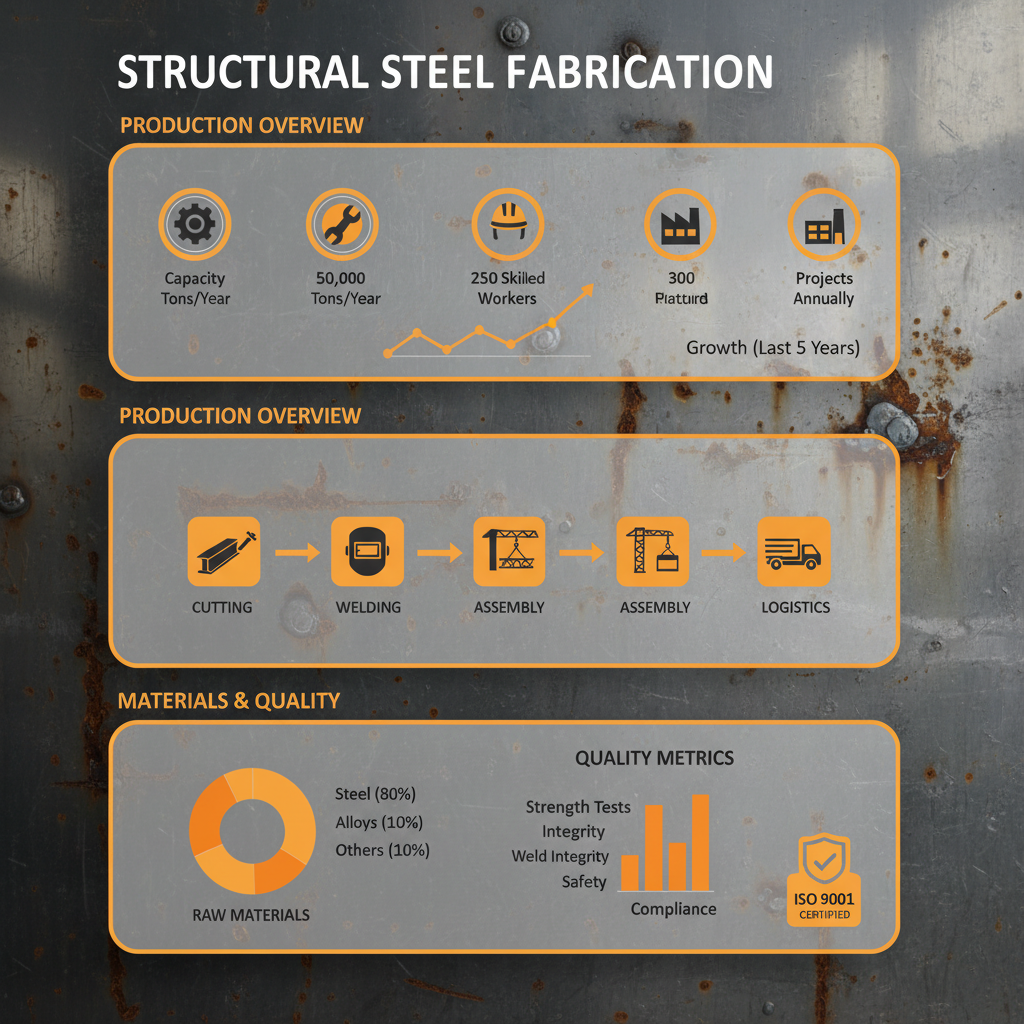
construction workshops Efficiency Metrics
Advantages & Long-Term Value Proposition
The advantages of utilizing construction workshops are substantial and far-reaching. Cost savings are achieved through reduced material waste, improved labor productivity, and minimized on-site delays. Sustainability is enhanced through optimized material utilization and reduced transportation emissions. The improved quality control inherent in a controlled workshop environment leads to more durable and reliable structures.
Beyond the tangible benefits, construction workshops foster innovation and collaboration. They provide a platform for integrating new technologies, experimenting with advanced materials, and developing more efficient construction methods. The creation of a skilled workforce contributes to economic growth and enhances the competitiveness of the construction industry.
Future Trends in construction workshops Technology
The future of construction workshops will be shaped by several emerging trends. Automation, powered by robotics and artificial intelligence, will play an increasingly important role in streamlining fabrication processes and improving precision. The integration of digital twins – virtual replicas of physical workshops – will enable real-time monitoring, predictive maintenance, and optimized resource allocation.
Sustainable materials and green building practices will become even more prevalent, with workshops adopting eco-friendly fabrication methods and utilizing recycled materials. The adoption of 3D printing technology will allow for the creation of complex and customized building components with unprecedented efficiency and design freedom.
Challenges and Innovative Solutions in Workshop Management
Despite the numerous benefits, construction workshops face certain challenges. Maintaining efficient material flow, managing complex supply chains, and ensuring worker safety are ongoing concerns. Adapting to changing project requirements and integrating new technologies can also be demanding.
Innovative solutions are emerging to address these challenges. Lean manufacturing principles are being applied to optimize workshop layouts and streamline workflows. Advanced scheduling software is helping to manage complex projects and coordinate material deliveries. Virtual reality (VR) training programs are enhancing worker skills and improving safety protocols.
Furthermore, cloud-based collaboration platforms are facilitating seamless communication and data sharing between workshop teams, project stakeholders, and suppliers, ultimately leading to more efficient and successful construction outcomes.
Summary of Key Workshop Management Challenges and Solutions
| Challenge |
Impact on Efficiency |
Potential Solution |
Expected Improvement |
| Material Handling Bottlenecks |
Increased lead times, higher labor costs |
Automated guided vehicles (AGVs) |
15-20% reduction in material handling time |
| Supply Chain Disruptions |
Project delays, increased material costs |
Diversified supplier network, real-time tracking |
10-15% reduction in supply chain risks |
| Worker Skill Gaps |
Reduced quality, increased rework |
VR-based training programs, mentorship |
10% improvement in fabrication accuracy |
| Inefficient Scheduling |
Idle resources, missed deadlines |
Advanced project management software |
5-10% improvement in project completion rate |
| Limited Data Visibility |
Difficulty in identifying areas for improvement |
Implementation of IoT sensors and data analytics |
Data-driven decision making |
| Safety Hazards |
Increased risk of accidents, potential downtime |
Safety automation & routine inspections |
Reduction in accident rates |
FAQS
Utilizing a construction workshop offers significant advantages, including improved quality control through a controlled environment, reduced weather-related delays, increased worker safety, enhanced precision through specialized equipment, and optimized material management, leading to cost savings and faster project completion. It also enables the efficient prefabrication of complex components that would be challenging to produce on-site.
BIM serves as the digital backbone of modern construction workshops. Detailed BIM models provide precise fabrication data, allowing for accurate cutting, welding, and assembly of components. BIM also facilitates clash detection, minimizing errors and rework. Furthermore, it enables seamless communication and collaboration between designers, fabricators, and project managers, streamlining the entire process.
Construction workshops prioritize worker safety through a range of measures. These include mandatory personal protective equipment (PPE), such as hard hats, safety glasses, and steel-toe boots. Regular safety training programs, hazard assessments, and machine guarding are essential. Proper ventilation, fire suppression systems, and clearly marked emergency exits are also critical components of a safe workshop environment.
Robotics are revolutionizing construction workshop efficiency by automating repetitive and physically demanding tasks. Robotic welding systems offer increased precision and speed, while robotic cutting machines minimize material waste. Automated material handling robots streamline workflows and reduce labor costs. These advancements lead to higher throughput, improved quality, and a safer working environment.
Sustainable practices are becoming increasingly important in construction workshops. This includes utilizing recycled materials, minimizing waste generation, implementing energy-efficient equipment, and optimizing material utilization to reduce environmental impact. Workshops are also adopting lean manufacturing principles to eliminate inefficiencies and reduce carbon emissions. Sustainable construction workshops contribute to a more environmentally responsible building industry.
Effective inventory management is crucial for maintaining workshop productivity. Accurate tracking of material levels prevents stockouts and delays. Implementing a "just-in-time" inventory system minimizes storage costs and reduces the risk of material obsolescence. Integrating inventory management with BIM and production scheduling ensures that the right materials are available at the right time, streamlining fabrication processes.
Conclusion
In conclusion, construction workshops are a cornerstone of modern construction, offering a multitude of benefits from enhanced efficiency and quality control to improved safety and sustainability. The integration of advanced technologies, such as BIM, robotics, and data analytics, is further transforming these facilities, enabling them to meet the growing demands of a rapidly evolving industry. The long-term value proposition of investing in optimized construction workshop infrastructure is undeniable, leading to cost savings, reduced project timelines, and enhanced project outcomes.
Looking ahead, the future of construction workshops will be shaped by a continued focus on automation, sustainability, and digital transformation. By embracing these trends, construction companies can unlock new levels of productivity, innovation, and competitiveness. Visit our website at construction workshops to learn more about how we can help you build the future.