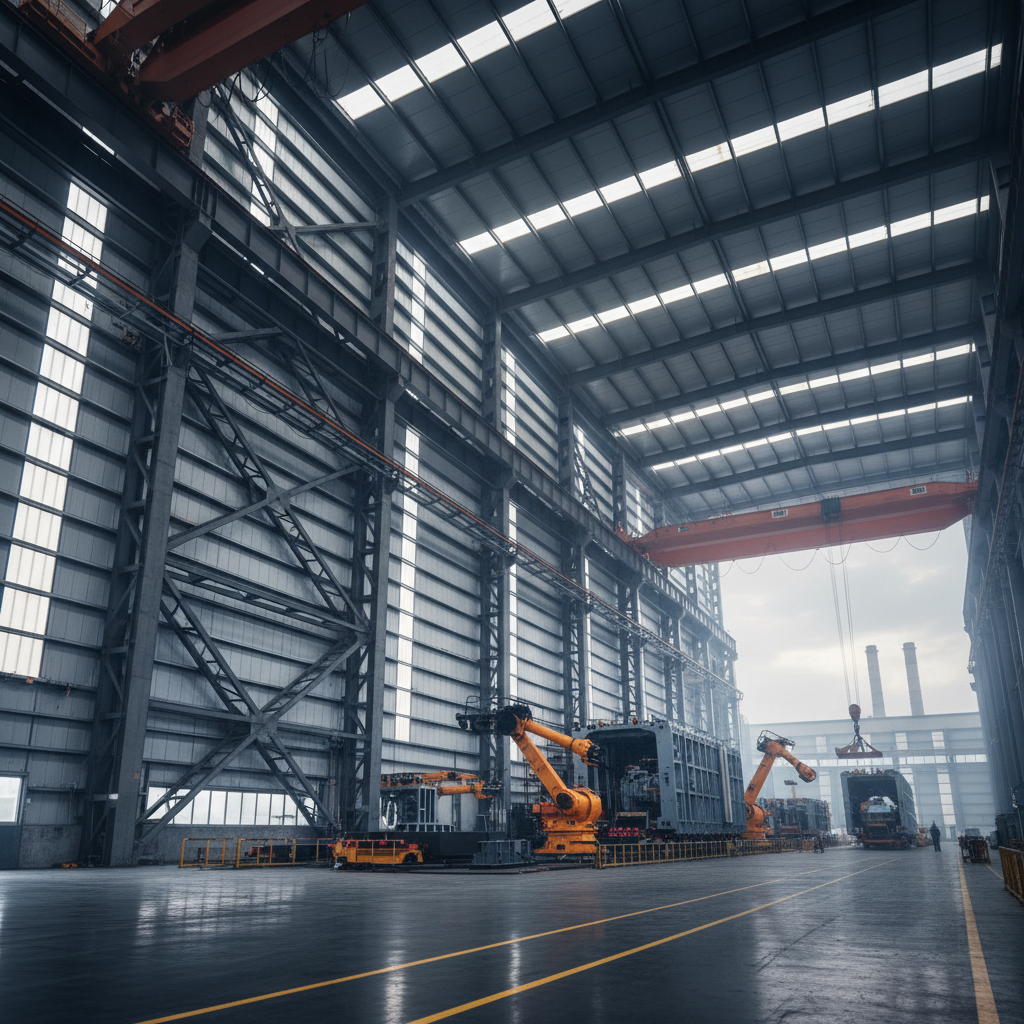
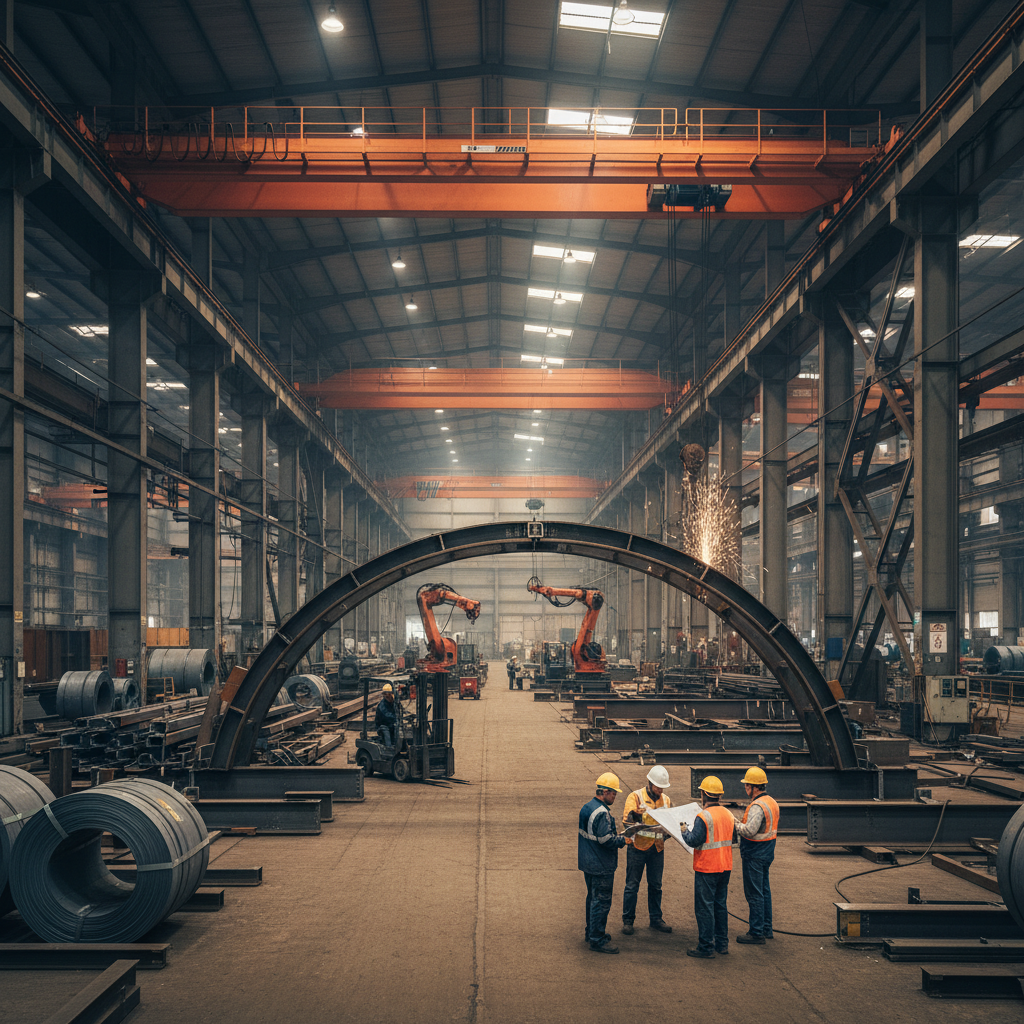
Factory building types are more than just steel and concrete; they're the backbone of modern manufacturing and a crucial component of global supply chains. Understanding the nuances of these structures – from the sprawling automotive plants to the specialized pharmaceutical facilities – is vital for efficient production, worker safety, and ultimately, economic prosperity. We’re talking about buildings designed not just to house processes, but to optimize them. It’s something you learn quickly spending time on site, watching the flow of materials and people.
Globally, the demand for specialized factory buildings is booming, driven by reshoring initiatives, the growth of e-commerce, and the increasing complexity of manufacturing processes. According to a recent report by the World Bank, investment in manufacturing infrastructure in developing countries is expected to reach $1.5 trillion over the next decade. This surge isn’t just about building bigger; it's about building smarter. And that means considering everything from energy efficiency and sustainability to adaptability and future scalability. You see a lot of wasted space, poorly planned layouts, and outdated infrastructure out there - it really impacts the bottom line.
Simply put, factory building types refer to the different categories of industrial structures designed to facilitate manufacturing and production processes. These aren’t one-size-fits-all constructions. They range from simple warehousing and distribution centers to highly specialized facilities like cleanrooms or heavy industrial plants. The right type depends entirely on the specific needs of the production process and the materials being handled. You have to think about everything from floor loading capacity to ventilation systems. It's not just about having a roof over your head; it’s about creating an environment where production can thrive.
Key Factors Influencing Factory Building Types
Several key factors dictate the optimal factory building type. Production Process: The nature of the manufacturing process – assembly line, batch production, continuous flow – heavily influences the building layout and requirements. You need space for machinery, material handling, and workflow. Material Handling: The type of materials handled (raw materials, finished goods, hazardous substances) dictates storage requirements, safety features, and ventilation systems. I’ve seen a lot of companies skimp on this and end up with serious problems.
Regulatory Compliance: Factories must adhere to stringent safety and environmental regulations, which influence building design and construction. Things like fire suppression systems, hazardous material containment, and waste disposal are critical. It's not just about building a box, it's about building something that meets all the codes.
Global Applications of Different Factory Building Types
Different regions and industries demand specific factory building types. In automotive manufacturing hubs like Germany and Detroit, you’ll find massive, highly automated plants designed for high-volume production. These require robust floor loading capacities and sophisticated ventilation systems. In the pharmaceutical industry, cleanrooms – controlled environments minimizing contamination – are essential, particularly in regions with stringent regulatory oversight like the US and Europe.
Fast-growing economies in Southeast Asia, like Vietnam and Indonesia, are seeing a surge in demand for general-purpose industrial buildings that can accommodate a variety of manufacturing processes. These buildings need to be flexible and scalable to adapt to changing market demands. We're doing a lot of work there, adapting designs to local conditions and using readily available materials.
And increasingly, we're seeing a rise in localized manufacturing, driven by supply chain disruptions and a desire for faster turnaround times. This translates to a demand for smaller, more agile factory buildings closer to consumer markets. Think micro-factories for 3D printing or local food processing facilities.
The Evolution of Factory Building Types
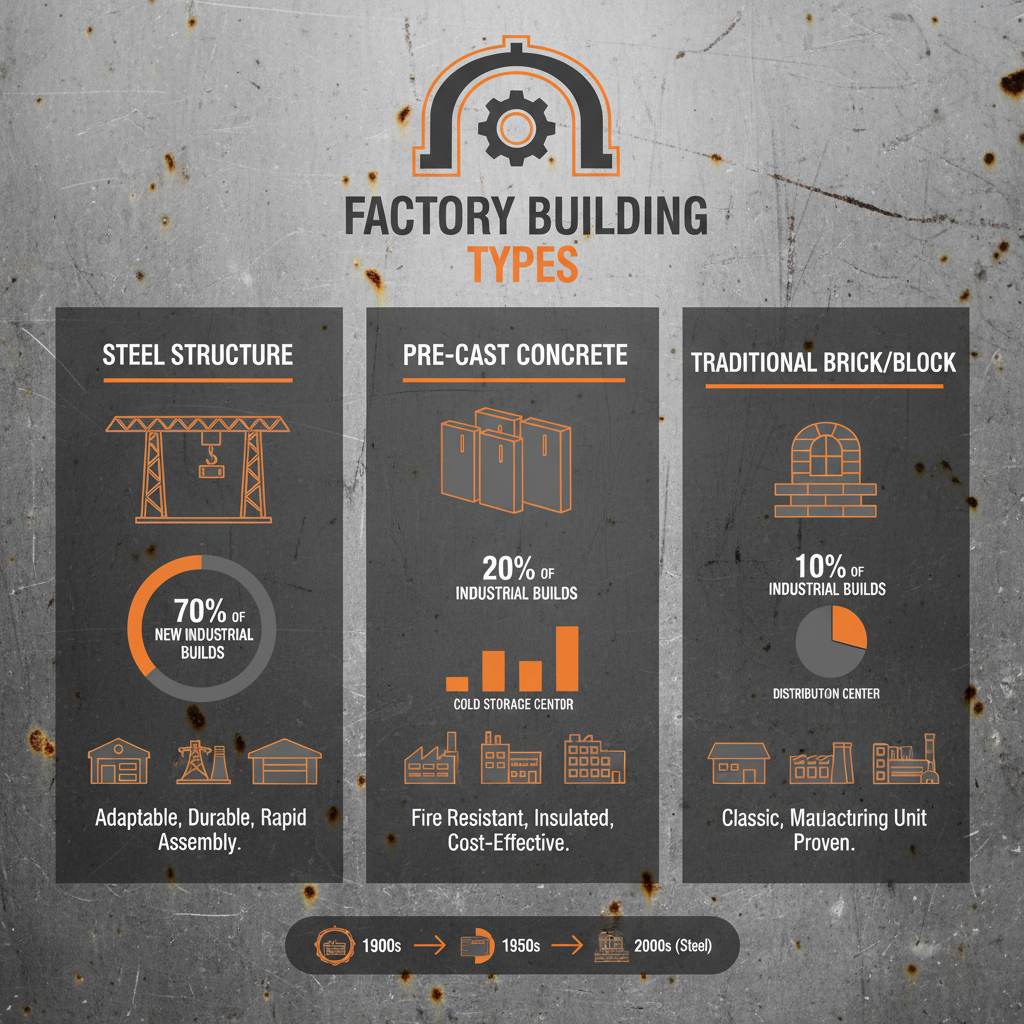
Historically, factory buildings were often repurposed warehouses or simple, functional structures. But as manufacturing processes became more sophisticated, specialized building types emerged. The rise of assembly lines in the early 20th century led to the development of long, rectangular buildings optimized for linear production flows.
More recently, we’ve seen a shift towards more flexible and adaptable designs. Modular construction, pre-engineered metal buildings, and tilt-up concrete construction are gaining popularity because they offer faster construction times and lower costs. These aren't your grandfather's factories. They're built to change, to adapt, and to meet the demands of a rapidly evolving market.
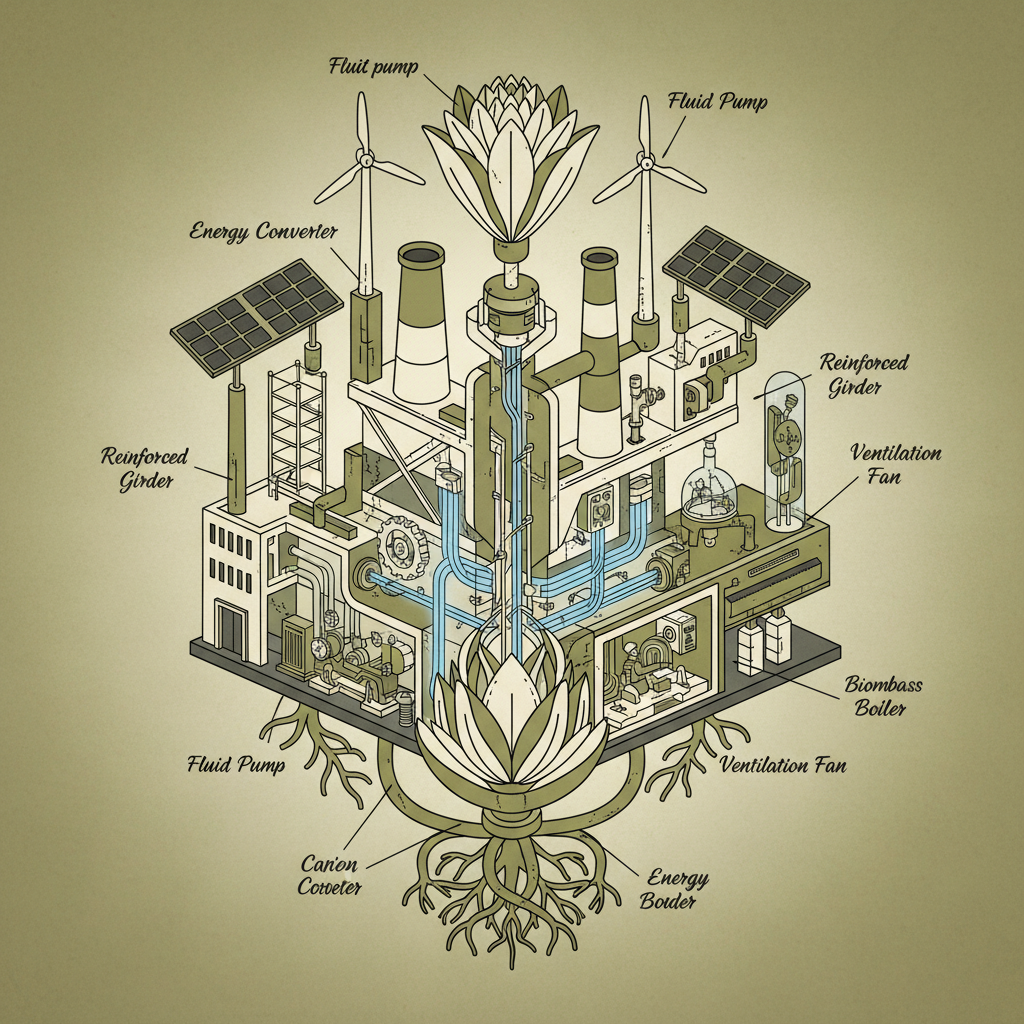
Sustainability is also becoming a major driver of innovation. Green factory buildings incorporate energy-efficient designs, renewable energy sources, and sustainable materials to reduce their environmental impact. It’s no longer a ‘nice-to-have’; it's becoming a business imperative.
Key Performance Indicators for Factory Building Types
Evaluating the success of a factory building goes beyond just cost per square foot. We look at several key performance indicators (KPIs). Throughput: Measuring the volume of production that can be efficiently processed within the building is crucial. A well-designed layout minimizes bottlenecks and maximizes workflow.
Energy Efficiency: Reducing energy consumption not only lowers operating costs but also minimizes environmental impact. We track metrics like energy usage per unit of production.
Factory Building Types – KPI Performance
Regional Variations in Factory Building Design
Factory building design isn’t uniform across the globe. Climatic conditions play a huge role. In regions with harsh winters, you’ll see buildings with heavily insulated walls and roofs to minimize heating costs. In areas prone to earthquakes, seismic design is paramount.
Cultural factors also come into play. In some cultures, natural lighting and ventilation are highly valued, leading to designs that prioritize these features. Labor costs also influence design – in regions with lower labor costs, you might see less emphasis on automation and more on manual processes, influencing the required building space and layout.
Long-Term Benefits of Optimized Factory Buildings
Investing in a well-designed factory building delivers long-term benefits far beyond initial construction costs. Increased efficiency translates to higher production output and reduced operating expenses. Improved worker safety and ergonomics boost morale and reduce absenteeism.
A sustainable building design minimizes environmental impact and reduces energy costs, contributing to a positive brand image and attracting environmentally conscious customers. And crucially, a flexible and adaptable building allows you to respond quickly to changing market demands and technological advancements. It's about building for the future, not just for today.
Challenges and Future Trends in Factory Building Types
One major challenge is balancing cost with sustainability. Sustainable materials and technologies often come with a higher upfront price tag. Another challenge is adapting existing buildings to meet the demands of modern manufacturing. Retrofitting older facilities can be costly and disruptive.
Looking ahead, we'll see a growing trend towards smart factories – buildings equipped with sensors, data analytics, and automation systems to optimize performance. 3D printing and additive manufacturing will require specialized facilities with controlled environments.
And the demand for resilient factory buildings – capable of withstanding extreme weather events and supply chain disruptions – will only continue to grow. Building Information Modeling (BIM) will become even more critical for planning, design, and construction, allowing for greater collaboration and accuracy.
Summary of Key Challenges and Future Trends in Factory Building Types
| Challenge/Trend |
Impact on Design |
Mitigation Strategies |
Long-Term Outlook |
| High Cost of Sustainable Materials |
Delayed adoption of eco-friendly building practices. |
Life-cycle cost analysis, government incentives. |
Increased demand and decreasing costs for sustainable options. |
| Retrofitting Existing Buildings |
Disruptions to production, high renovation costs. |
Phased renovations, modular upgrades. |
Increased use of pre-fabricated components. |
| Demand for Smart Factories |
Increased need for data infrastructure, sensors, and automation systems. |
Integrated design of building systems, cybersecurity measures. |
Ubiquitous connectivity and data-driven optimization. |
| Rise of 3D Printing |
Requirement for controlled environments, specialized ventilation. |
Modular cleanroom designs, localized manufacturing hubs. |
Decentralized production and on-demand manufacturing. |
| Climate Change & Resilience |
Need for stronger building materials, flood mitigation measures. |
Elevated foundations, reinforced structures, emergency power systems. |
Buildings designed to withstand extreme weather events. |
| Supply Chain Disruptions |
Increased demand for localized production and diversified sourcing. |
Flexible building designs, adaptable manufacturing processes. |
Regionalized manufacturing networks and resilient supply chains. |
FAQS
Light manufacturing typically involves assembly, packaging, and light processing of goods, requiring less floor loading capacity and simpler ventilation. Heavy industrial plants, on the other hand, handle large-scale processing of raw materials, often involving heavy machinery, high temperatures, and hazardous materials. They require significantly reinforced foundations, advanced ventilation systems, and specialized safety features. Think the difference between building a computer and smelting steel.
Modular construction significantly reduces project timelines and costs compared to traditional stick-built construction. By prefabricating building components in a controlled factory environment, you minimize on-site labor, reduce material waste, and accelerate the construction process. It’s especially beneficial for projects with tight deadlines or limited site access. However, transportation and crane rental costs need to be factored into the budget.
BIM is crucial for creating a digital representation of the factory building, enabling better collaboration between architects, engineers, and contractors. It allows for clash detection, accurate quantity takeoff, and virtual walkthroughs, minimizing errors and reducing rework. It also facilitates facility management after construction is complete. Essentially, it's a digital twin of the building.
Energy efficiency is paramount. Factories are often energy-intensive operations, so implementing energy-saving measures – like high-performance insulation, LED lighting, and efficient HVAC systems – can significantly reduce operating costs and environmental impact. Renewable energy sources, such as solar panels, are also becoming increasingly popular. It’s not just good for the planet; it's good for the bottom line.
Designing for future automation requires anticipating the need for increased floor loading capacity, dedicated power supplies for robotic systems, and sufficient space for automated guided vehicles (AGVs). Flexible layouts that can be easily reconfigured are also essential. You need to think about future expansion possibilities and ensure that the building infrastructure can support these changes.
Building codes and regulations vary significantly by region and can have a major impact on factory building design. Factors like seismic requirements, fire safety standards, and environmental regulations must be carefully considered. It’s crucial to work with local experts to ensure that the building complies with all applicable codes and regulations. Failure to do so can result in costly delays and penalties.
Conclusion
In conclusion, understanding factory building types isn't simply about architecture; it's about optimizing manufacturing processes, ensuring worker safety, and building for a sustainable future. From the initial design phase to long-term operation, careful consideration of factors like production process, material handling, regulatory compliance, and energy efficiency is critical. A well-designed factory building is a strategic asset that can drive productivity, reduce costs, and enhance competitiveness.
As manufacturing continues to evolve, we can expect to see even more innovative factory building types emerge, driven by advancements in technology, sustainability, and automation. Investing in flexible, adaptable, and resilient building designs will be essential for navigating the challenges and opportunities of the future. To learn more about our services and how we can help you build the factory of tomorrow, visit our website: factory building types.