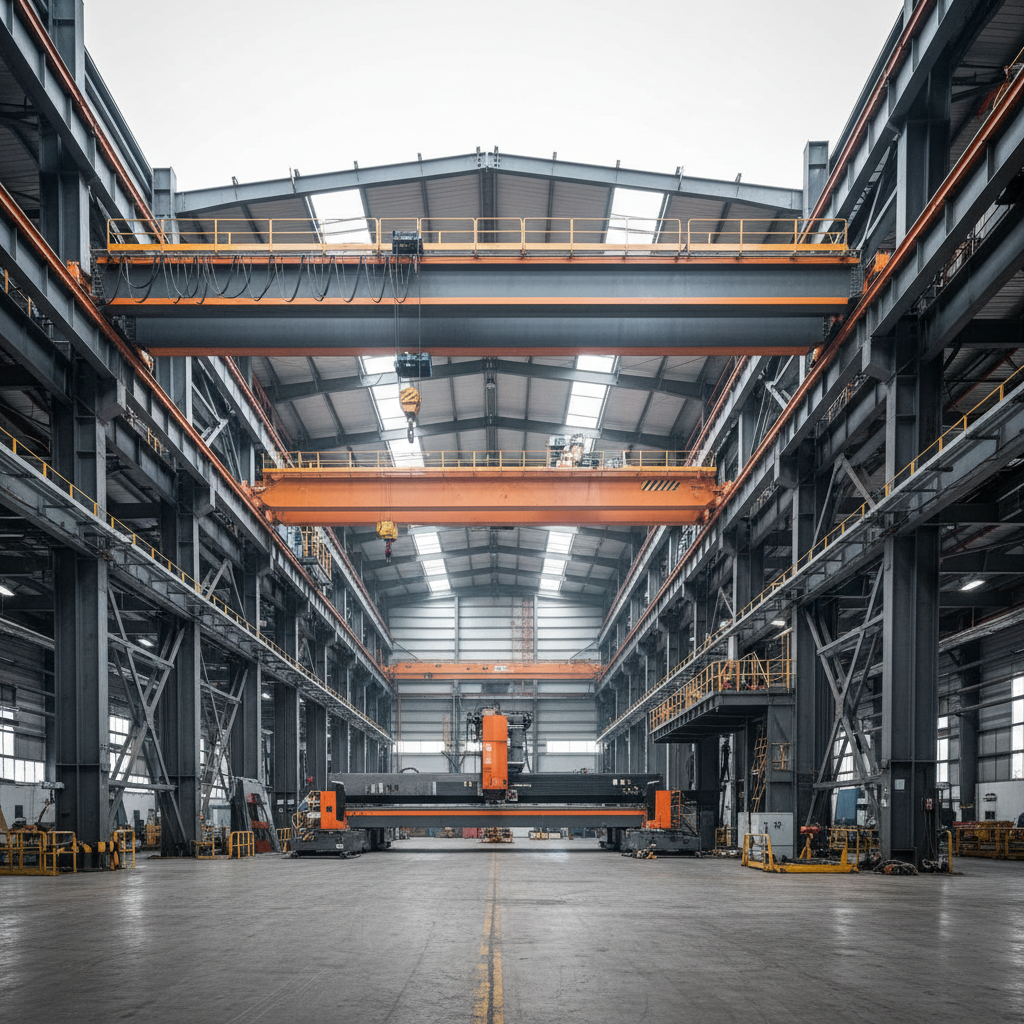
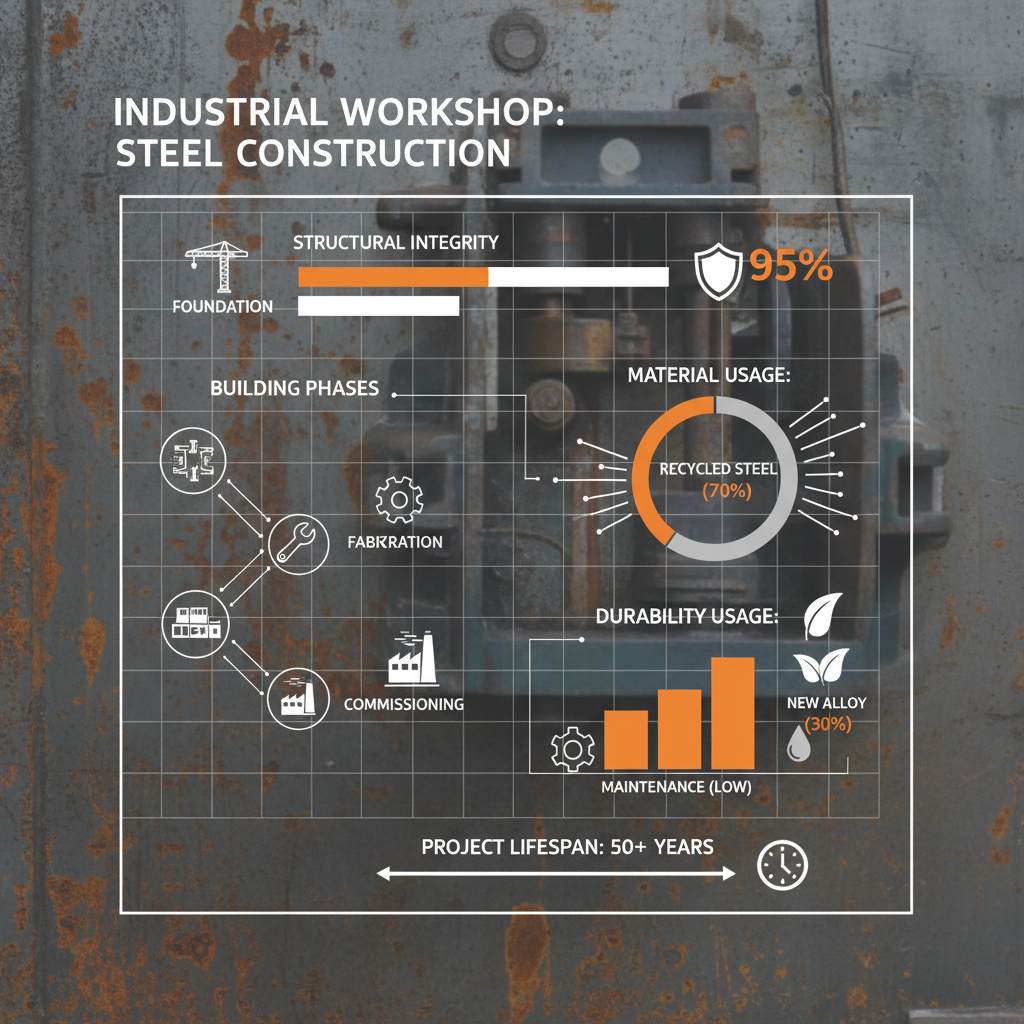
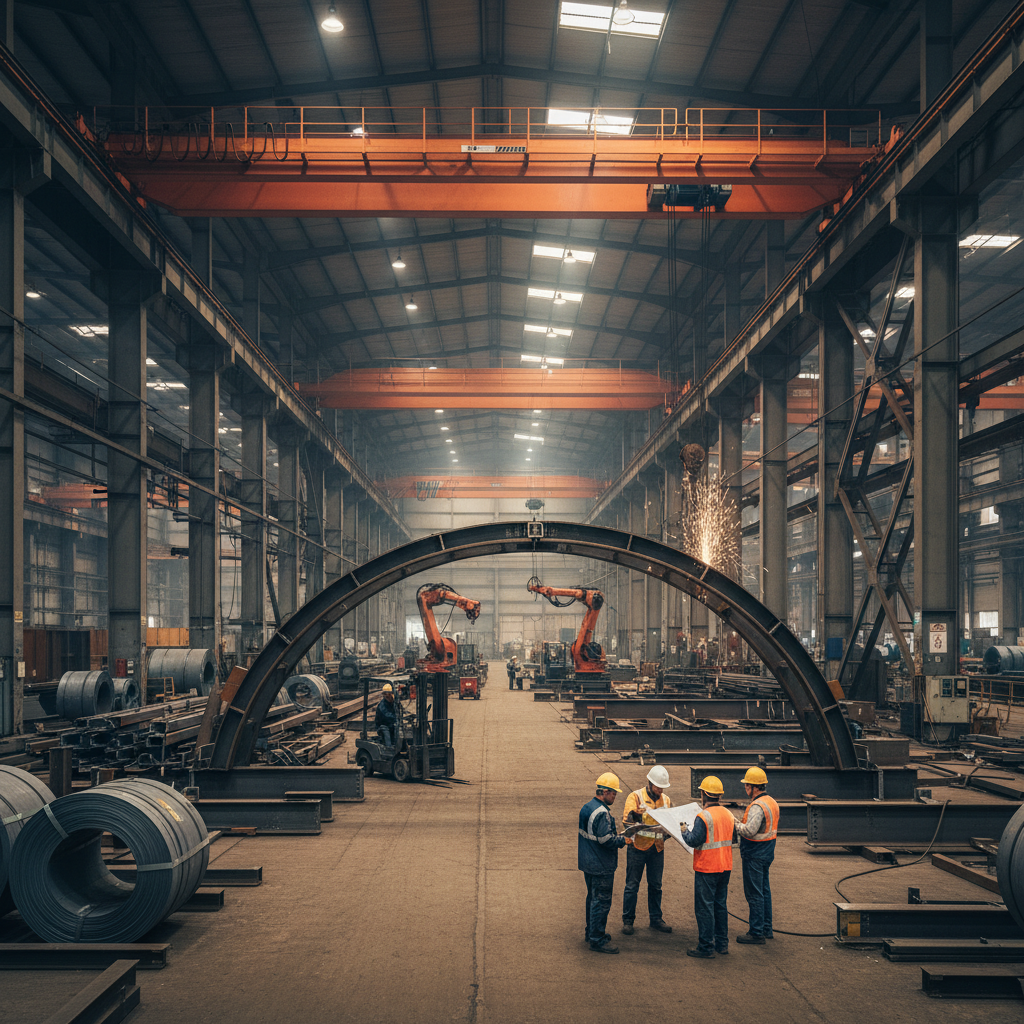
Building workshops – it’s more than just throwing up walls. It's about rapidly deployable, sustainable structures that can address critical needs, from disaster relief to industrial expansion. We've been seeing a surge in demand for these solutions globally, fueled by increasing urbanization, climate change, and the need for flexible infrastructure. It’s not just about speed; it's about quality, durability, and adapting to the specific conditions on the ground. I’ve spent years on sites watching teams struggle with traditional builds, and frankly, these workshops offer a game-changer.
The truth is, traditional construction often falls short. Slow timelines, high costs, and logistical nightmares plague projects worldwide. Organizations like the UN and the World Bank are actively promoting alternative building methods, including modular and prefabricated solutions, recognizing their potential to address housing shortages and infrastructure gaps. The ISO standards for modular construction are becoming increasingly stringent, driving up quality and consistency. But these aren't just numbers; they translate into safer, more reliable buildings for people who really need them.
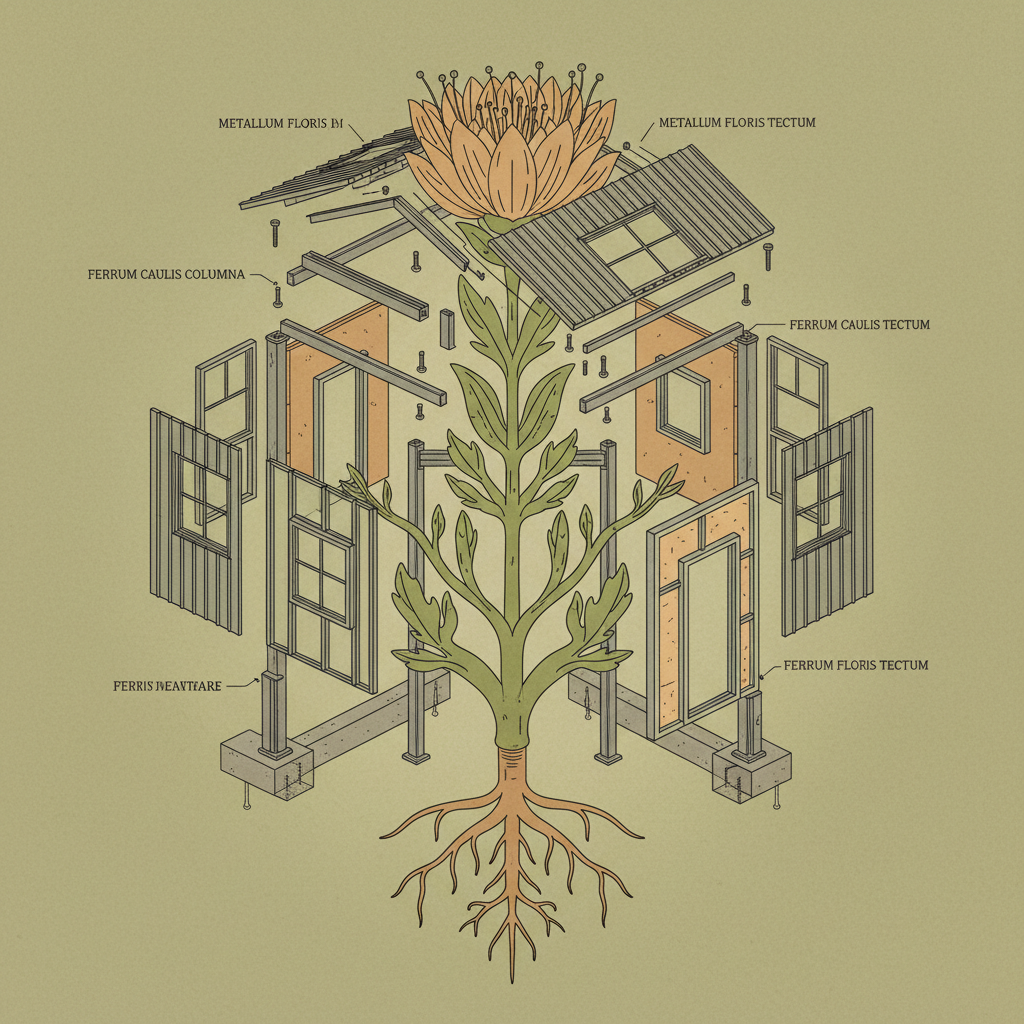
At its core, a building workshop refers to a construction process centered around prefabrication and modular design. We're talking about components built in a controlled factory environment and then assembled on site. This contrasts sharply with traditional, stick-built construction. This shift isn't merely about efficiency; it's about addressing real-world challenges. Modern humanitarian needs, particularly in disaster response and refugee settlements, demand rapidly deployable, dignified housing, something traditional building methods often can’t deliver quickly enough.
The Foundation of building workshops
Durability is paramount. These workshops aren’t meant to be temporary fixes. We’re talking about structures that need to withstand harsh climates, seismic activity, and prolonged use. The materials we choose – steel framing, insulated panels, durable roofing – directly impact their lifespan. I’ve seen too many poorly built structures fall apart after just a few seasons.
Scalability is equally vital. The ability to rapidly expand or adapt a workshop to changing needs is a huge advantage. Modular designs allow for easy additions or modifications, unlike traditional construction which requires significant rework. This is especially crucial in rapidly growing industrial zones or emergency response scenarios.
Global Relevance and Challenges
The demand for building workshops is skyrocketing globally. From rapid urbanization in developing nations to the increasing frequency of natural disasters, the need for quick, affordable, and reliable shelter and infrastructure is greater than ever. We’re seeing a particular surge in demand in regions like Sub-Saharan Africa, Southeast Asia, and parts of Latin America, where traditional building methods are often too slow and expensive.
However, logistical challenges remain. Transporting prefabricated components to remote locations can be complex and costly. Local regulations and building codes can also present hurdles, requiring careful planning and adaptation. Furthermore, the availability of skilled labor to assemble these workshops is crucial; training programs are essential to ensure quality and efficiency.
The climate crisis is exacerbating these challenges, demanding workshops that are not only durable but also sustainable and energy-efficient. Integrating renewable energy sources and using environmentally friendly materials are becoming increasingly important considerations.
Defining Building Workshops
Simply put, building workshops are self-contained, often mobile, construction facilities. Think of them as a factory that comes to you. They’re equipped with the tools, materials, and skilled personnel to build structures on-site, minimizing transportation costs and construction time. They bridge the gap between factory precision and on-site flexibility.
These workshops aren’t just about building houses. They can be used to construct schools, hospitals, clinics, industrial facilities, and even temporary shelters for disaster relief. Their versatility is a key advantage. We’ve seen innovative applications in remote mining camps, oil and gas fields, and even temporary event venues.
The connection to modern industry and humanitarian needs is undeniable. Industries seeking to rapidly expand operations in remote locations are increasingly turning to building workshops. Likewise, humanitarian organizations rely on these facilities to provide immediate shelter and essential services in the wake of natural disasters or conflicts.
Core Components of Effective Workshops
Cost-efficiency is a major driver. While the initial investment in a building workshop can be substantial, the long-term savings in labor, transportation, and materials often outweigh the upfront costs. Reducing waste is another crucial element. Prefabrication minimizes material waste, contributing to both cost savings and environmental sustainability.
Then there's the element of quality control. Building in a controlled factory environment allows for stricter quality checks and more consistent results than traditional on-site construction. This translates to more durable, reliable structures.
Comparison of Building Workshop Methods
Global Applications and Real-World Cases
In post-disaster relief operations, building workshops have proven invaluable. They allow for the rapid construction of temporary shelters, medical facilities, and sanitation systems, providing immediate assistance to affected communities. We've seen this in Haiti after the earthquake, and more recently in the Philippines following typhoons.
In remote industrial zones, particularly in the oil and gas industry and mining operations, building workshops provide on-site accommodation, offices, and workshops, reducing the logistical challenges of transporting workers and materials. This significantly reduces project costs and timelines.
The Long-Term Value Proposition
The tangible benefits are clear: reduced construction costs, faster project completion times, improved quality control, and reduced material waste. However, the long-term value extends beyond these quantifiable metrics. Sustainable building practices, incorporating renewable energy sources and eco-friendly materials, minimize environmental impact and reduce operational costs.
On a human level, building workshops offer dignity and safety. Providing reliable, comfortable shelter in disaster-prone areas or challenging work environments improves the well-being of affected populations and workers. This fosters trust and builds strong relationships with local communities.
Future Trends and Innovations
We're seeing a growing trend toward incorporating digital technologies into building workshops. 3D printing, robotic assembly, and Building Information Modeling (BIM) are revolutionizing the construction process, improving efficiency, and reducing errors. The use of advanced materials, like self-healing concrete and bio-based composites, is also gaining traction.
Policy changes are also playing a role. Governments are increasingly incentivizing sustainable building practices and promoting the use of modular and prefabricated construction methods. This is creating a more favorable environment for the adoption of building workshop technologies.
The future will almost certainly involve more automated and integrated workshops. We will be seeing AI-powered design and optimization tools, drone-based delivery of materials, and real-time monitoring of construction progress. This is not just about building faster; it's about building smarter.
Analysis of Building Workshop Sustainability Factors
| Material Sourcing |
Energy Efficiency |
Waste Management |
Water Conservation |
| Local vs. Imported Materials |
Insulation R-Value |
Recycling Rate |
Rainwater Harvesting |
| Percentage of Recycled Content |
Solar Panel Integration |
Construction Waste Diverted |
Greywater Reuse System |
| Carbon Footprint of Materials |
Passive Heating/Cooling Design |
Material Reusability |
Low-Flow Fixture Implementation |
| Supplier Sustainability Ratings |
Energy Star Appliance Usage |
Composting of Organic Waste |
Water-Efficient Landscaping |
| Life Cycle Assessment of Materials |
Smart Building Automation |
Reduced Packaging Materials |
Leak Detection Systems |
| Certification of Sustainable Forestry |
Natural Ventilation Strategies |
Deconstruction for Material Recovery |
Drought-Resistant Plant Selection |
FAQS
Building workshops reduce costs primarily through faster project completion times, minimized material waste (due to precise prefabrication), and decreased labor expenses. Transporting prefabricated components is often cheaper than hauling raw materials and a full construction crew to a remote site. This can lead to overall savings of 15-30% depending on the project scope and location.
Building workshops enable more sustainable practices by minimizing waste, optimizing material usage, and allowing for the integration of eco-friendly materials. Prefabrication reduces on-site disturbance, and the controlled factory environment allows for better quality control regarding energy efficiency and material sourcing. Many workshops also incorporate renewable energy and water conservation technologies.
Building workshops are exceptionally well-suited for projects requiring rapid deployment, remote location construction, or repetitive designs. This includes disaster relief housing, temporary industrial facilities, mining camps, schools, clinics, and affordable housing initiatives. They are less ideal for highly customized, one-of-a-kind architectural designs.
Climate resilience is a critical consideration. Workshops are designed with robust structural engineering to withstand extreme weather events like hurricanes, earthquakes, and floods. Materials are selected for durability and resistance to corrosion and decay. Passive design strategies, such as natural ventilation and solar shading, are incorporated to minimize energy consumption and maintain comfortable indoor temperatures.
The lifespan depends heavily on the materials used and the intended application. However, properly designed and maintained structures built using building workshops can easily last 20-50 years, and even longer in moderate climates. Steel-framed structures with durable cladding and foundations often outperform traditionally built structures in harsh environments.
While specialized skills aren’t necessarily required, some training is essential. The assembly process is generally simpler and faster than traditional construction, as many components are pre-fabricated and designed for easy connection. However, proper alignment, sealing, and connection of utilities require skilled technicians. Comprehensive training programs are often provided by workshop suppliers.
Conclusion
Building workshops represent a paradigm shift in the construction industry. They offer a compelling solution to the challenges of rapid urbanization, disaster relief, and remote infrastructure development. The combination of speed, cost-efficiency, sustainability, and quality control makes them an increasingly attractive option for a wide range of projects, and frankly, it’s a trend I expect to see continue to accelerate.
Looking ahead, we need to focus on further innovation in materials, automation, and digital technologies to unlock the full potential of building workshops. Investing in training programs to develop a skilled workforce is also crucial. By embracing these advancements, we can build a more resilient, sustainable, and equitable future for all. For more information on how building workshops can benefit your project, visit our website: building workshops.