The world runs on steel and metal, plain and simple. From the skyscrapers that define our cityscapes to the intricate components in our smartphones, everything relies on the foundational strength and versatility of these materials. Understanding the role of a metal and steel factory isn't just about understanding industry; it's about understanding the backbone of modern civilization. These factories aren’t just churning out raw materials, they're enabling progress, fueling innovation, and quite literally building our future. The demand continues to rise globally, placing increasing importance on efficiency, sustainability, and reliable production.
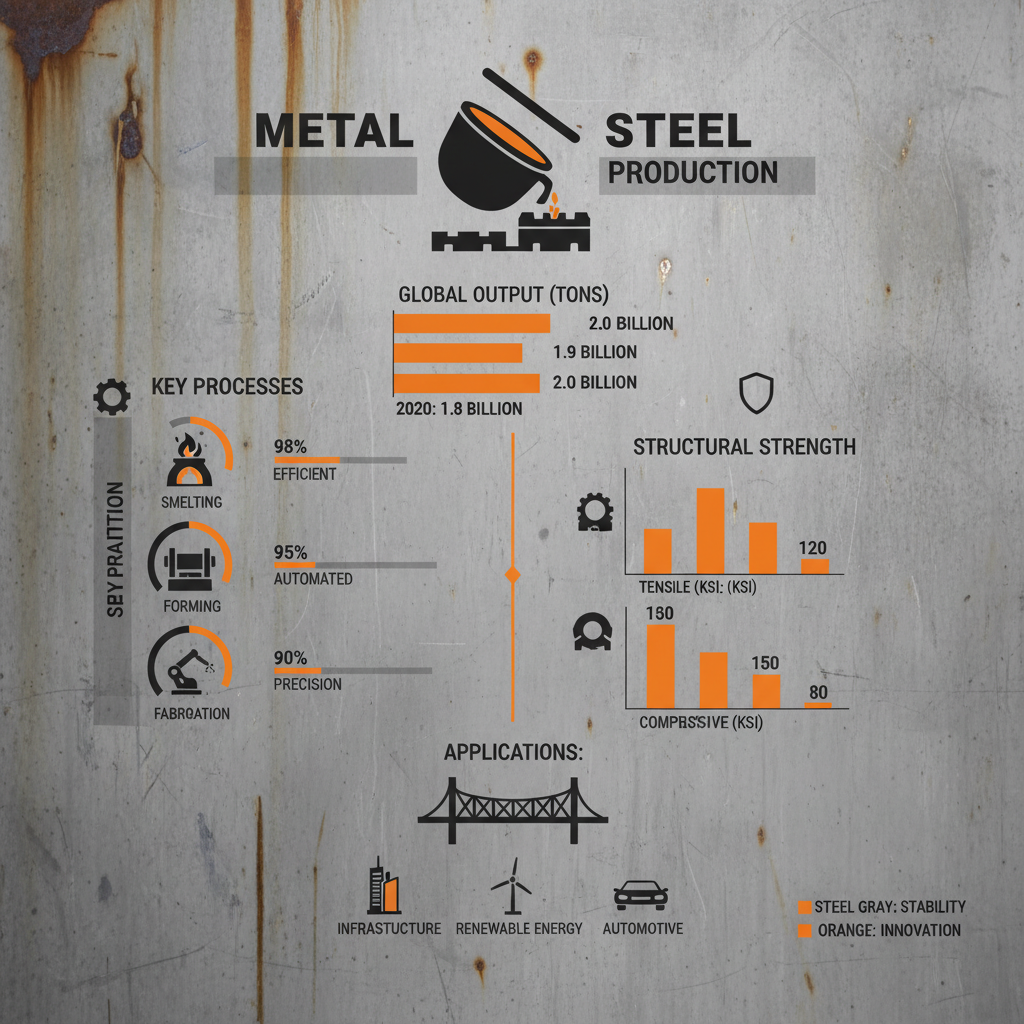
Globally, the steel industry alone contributes trillions to the world economy. According to the World Steel Association, global crude steel production reached 1.831 billion tonnes in 2023. That’s a massive scale, and it continues to grow, particularly in developing economies. The UN and various NGOs increasingly rely on the products of these factories for infrastructure development in post-conflict zones and disaster relief. However, the industry faces challenges – environmental impact, fluctuating raw material costs, and the need for continuous innovation to meet ever-increasing demands. We need smarter, greener, and more resilient metal and steel factories to support a sustainable future.
Simply put, a metal and steel factory is a facility dedicated to the processing and manufacturing of metals and steel products. This encompasses everything from melting raw materials like iron ore and scrap metal, to forming, shaping, and finishing those materials into usable forms – sheets, beams, pipes, wires, and countless other components. It’s the essential link between raw resource extraction and the creation of the products we use every day, crucial for supporting both industrial processes and basic human needs like shelter and infrastructure.
The Global Significance of metal and steel factory
Let's be real, you're not building anything lasting without good steel. I’ve spent years walking through construction sites, and you quickly learn who the reliable suppliers are. The strength, durability, and cost-effectiveness of steel make it indispensable in construction, manufacturing, transportation, and countless other sectors. A well-run metal and steel factory isn’t just producing a commodity; it's laying the foundation for economic growth and societal development.
The sheer scale of production is mind-boggling. China accounts for over 50% of global steel output, but the demand is spread worldwide. Developing nations are rapidly industrializing, requiring massive amounts of steel for infrastructure projects. And while there’s a push for sustainable materials, steel’s recyclability offers a significant advantage – it’s a circular material, and a good factory will prioritize responsible sourcing and processing.
Defining the metal and steel factory
I always tell the new engineers, "Steel isn’t just steel." The process inside a metal and steel factory is complex. It’s about taking raw materials – iron ore, coal, limestone – and transforming them through intense heat and precise chemical processes into the various forms of steel we rely on. It’s also about working with other metals, like aluminum, copper, and alloys, each with unique properties and applications.
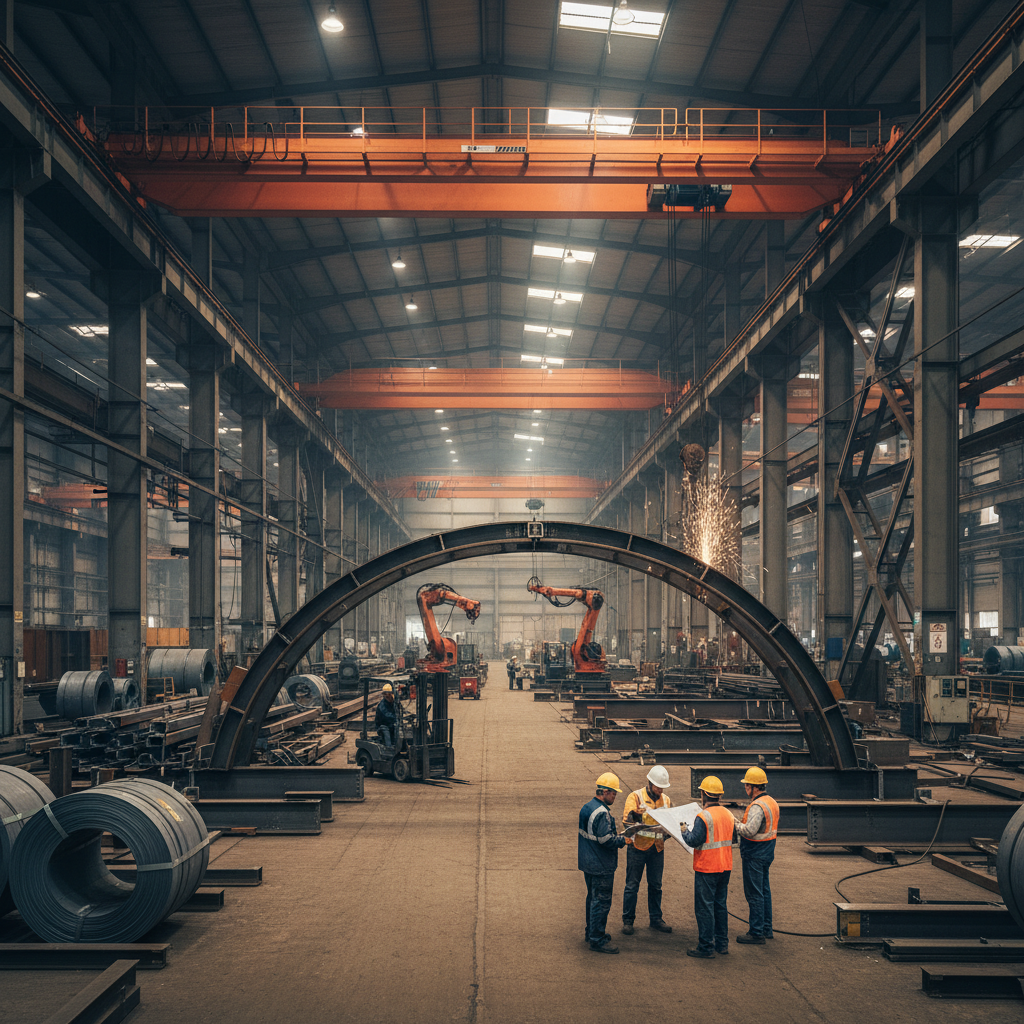
The modern factory isn’t just a blast furnace and rolling mill anymore. It incorporates advanced technologies like automation, AI-powered quality control, and sophisticated logistics systems. It's a highly integrated operation requiring a skilled workforce and a commitment to continuous improvement. The efficiency and precision of these operations directly impact the cost and quality of the final product.
And it's not just about the production itself, but the entire supply chain. Sourcing raw materials responsibly, managing transportation logistics, and ensuring quality control at every stage – that's what separates a good factory from a great one. It’s a holistic approach, and one I’ve spent my career advocating for.
Core Components of a Successful metal and steel factory
First, you’ve got to have Durability. The steel needs to hold up. It's no good if it’s cracking under stress. That comes down to the quality of the raw materials, the precision of the manufacturing process, and the rigorous testing procedures in place. We're talking about structures that need to last decades, even centuries.
Scalability is huge. A factory needs to be able to ramp up production to meet fluctuating demand. That means having the capacity to add more lines, invest in new equipment, and train more personnel. It’s about future-proofing the operation, being ready for whatever the market throws at you.
Then there’s Cost Efficiency. We're operating in a competitive market, and margins can be tight. Reducing waste, optimizing energy consumption, and streamlining processes are critical for staying profitable. It's about squeezing every ounce of efficiency out of the operation.
Practical Applications Across Industries
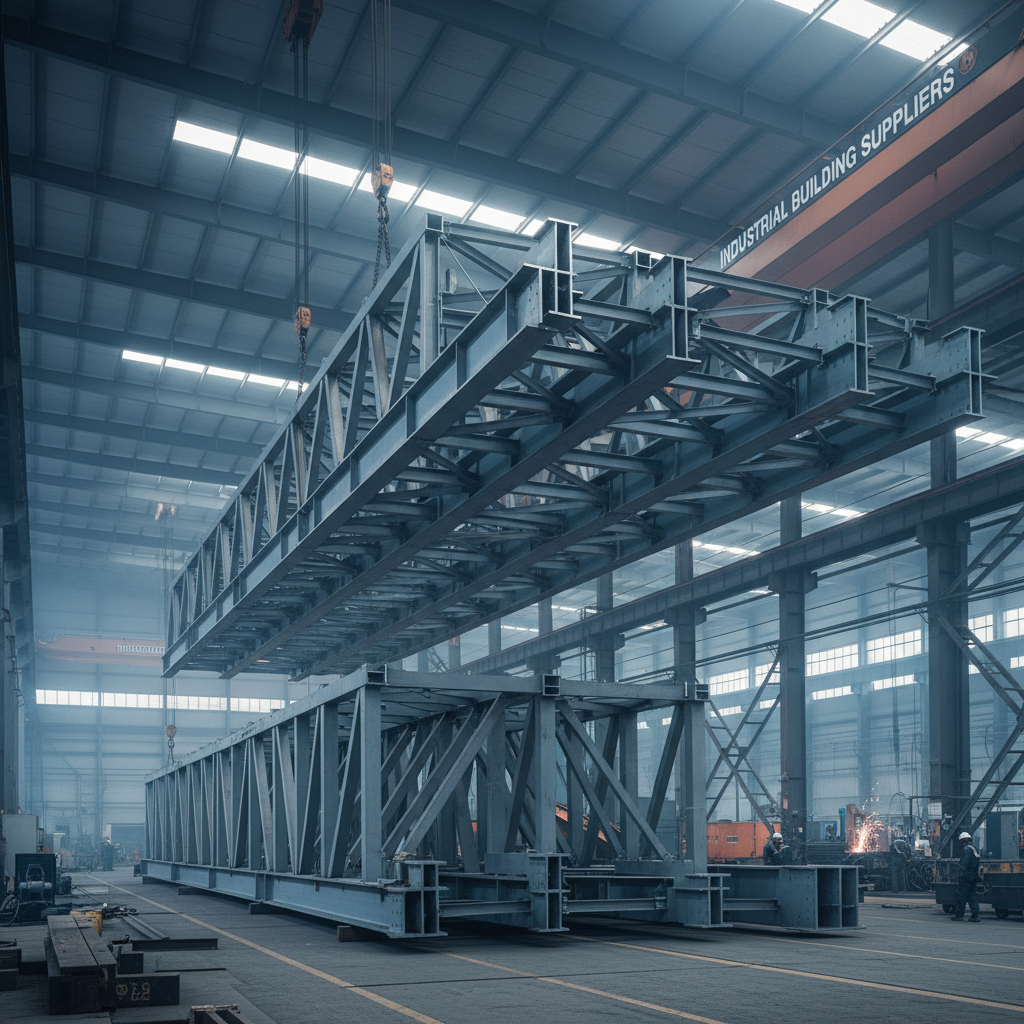
Look around you. Steel is everywhere. In construction, obviously – skyscrapers, bridges, homes. But also in automotive, where high-strength steel is crucial for safety and fuel efficiency. The energy sector relies on steel for pipelines, wind turbines, and oil rigs. Even the packaging industry uses steel for cans and containers. It's a truly universal material.
I've worked on projects ranging from building hospitals in remote areas to constructing massive infrastructure projects in bustling cities, and in every single case, the quality and reliability of the steel were paramount. We rely on metal and steel factory output for nearly everything we do.
Metal and Steel Factory Efficiency Ratings
Advantages and Long-Term Value Proposition
The tangible benefits are clear: strength, durability, and cost-effectiveness. But it goes deeper than that. Investing in a reliable metal and steel factory supply chain is about building a foundation for long-term economic growth. It’s about ensuring the safety and resilience of our infrastructure.
There's also a social impact. Strong infrastructure creates jobs, improves living standards, and fosters community development. And with the growing emphasis on sustainability, the recyclability of steel is a major advantage, reducing our reliance on virgin materials. It's a material that can be used, reused, and repurposed, minimizing its environmental footprint.
Global Applications & Real-World Use Cases
In post-disaster relief operations, quickly deployable steel structures offer immediate shelter and critical infrastructure. I've seen it firsthand – steel framing for temporary hospitals, modular steel bridges to restore transportation links. And in remote industrial zones, prefabricated steel buildings provide cost-effective and durable facilities.
I’ve worked with organizations using advanced high-strength steel in the construction of earthquake-resistant buildings in seismic zones. This isn’t just about building structures; it’s about saving lives and protecting communities. The right material, properly engineered, can make all the difference.
And let's not forget the advancements in renewable energy. Steel is vital for constructing wind turbines, solar panel frames, and the infrastructure needed to transmit clean energy. It’s a key enabler of a sustainable future.
Future Trends and Innovations in metal and steel factory
We’re seeing a huge push for “green steel” – production methods that significantly reduce carbon emissions. That involves using hydrogen as a reducing agent instead of coal, implementing carbon capture technologies, and increasing the use of scrap metal in the production process. These are critical steps toward a more sustainable future.
Digital transformation is also playing a major role. AI-powered process optimization, predictive maintenance, and real-time quality control are improving efficiency and reducing waste. Automation is streamlining operations and enhancing worker safety.
And advancements in materials science are leading to the development of new steel alloys with even greater strength, durability, and corrosion resistance. These innovations will unlock new possibilities across a wide range of industries.
Table Summarizing Key Challenges and Potential Solutions in metal and steel factory
| Challenge Area |
Current Impact |
Potential Solution |
Implementation Difficulty (1-10) |
| Carbon Emissions |
Significant environmental impact and increasing regulatory pressure. |
Transition to hydrogen-based steelmaking and carbon capture technologies. |
8 |
| Raw Material Costs |
Fluctuating iron ore and energy prices impact profitability. |
Diversification of raw material sources and increased scrap metal utilization. |
6 |
| Labor Shortages |
Difficulty attracting and retaining skilled workers. |
Invest in training programs and automation technologies. |
7 |
| Supply Chain Disruptions |
Geopolitical instability and logistical challenges. |
Regionalization of supply chains and diversification of suppliers. |
5 |
| Quality Control |
Maintaining consistent product quality. |
Implementation of AI-powered inspection systems and advanced sensors. |
4 |
| Waste Management |
Minimizing scrap and environmental pollution. |
Circular economy initiatives and advanced recycling technologies. |
6 |
FAQS
Steel production is energy-intensive and traditionally relies on coal, resulting in significant carbon emissions. Other concerns include water pollution from processing and waste generation. Modern factories are addressing these through cleaner technologies like hydrogen-based steelmaking and improved waste management systems, but there’s still a long way to go. Responsible sourcing of raw materials is also crucial.
Automation doesn't necessarily eliminate jobs, but it transforms them. Repetitive and physically demanding tasks are increasingly automated, requiring workers to upskill and focus on roles like process control, maintenance, and data analysis. Investing in workforce training is crucial to ensure a smooth transition and avoid job losses. We need skilled technicians to operate and maintain these advanced systems.
Quality control starts with raw material inspection and continues throughout the entire process. This includes chemical analysis, mechanical testing (tensile strength, yield strength, hardness), and non-destructive testing (ultrasonic, radiographic). Increasingly, AI-powered vision systems are used to detect defects and ensure consistent product quality. Strict adherence to industry standards is paramount.
Steel is one of the most recycled materials in the world, and that’s a huge advantage. Recycling steel significantly reduces energy consumption and greenhouse gas emissions compared to producing it from virgin iron ore. A robust scrap metal supply chain is essential for a sustainable steel industry. Factories actively seek to maximize scrap metal usage in their production processes.
“Green steel” refers to steel produced using low-carbon or zero-carbon processes. Key technologies include replacing coal with hydrogen as a reducing agent in the ironmaking process, implementing carbon capture and storage (CCS) technologies, and using renewable energy sources to power the factory. It's a significant shift, but critical for decarbonizing the steel industry.
Disruptions – whether due to geopolitical instability, natural disasters, or logistical challenges – can severely impact steel factories by increasing raw material costs, delaying production, and disrupting deliveries. Mitigation strategies include diversifying suppliers, building strategic stockpiles, and investing in robust supply chain management systems. Regionalizing production can also reduce reliance on global supply chains.
Conclusion
From the towering structures of our cities to the intricate components of our everyday lives, metal and steel factory output underpins modern civilization. Understanding the complexities of these facilities – the technological advancements, the sustainability challenges, and the critical role they play in global development – is essential for navigating the future. Investing in innovation, promoting responsible practices, and fostering a skilled workforce are all vital steps toward ensuring a resilient and sustainable steel industry.
The future of steel lies in embracing circular economy principles, adopting cleaner production technologies, and prioritizing collaboration across the entire value chain. If you’re looking for a reliable partner in the metal and steel industry, a company committed to quality, sustainability, and innovation, visit our website at www.hongjishunda.com.