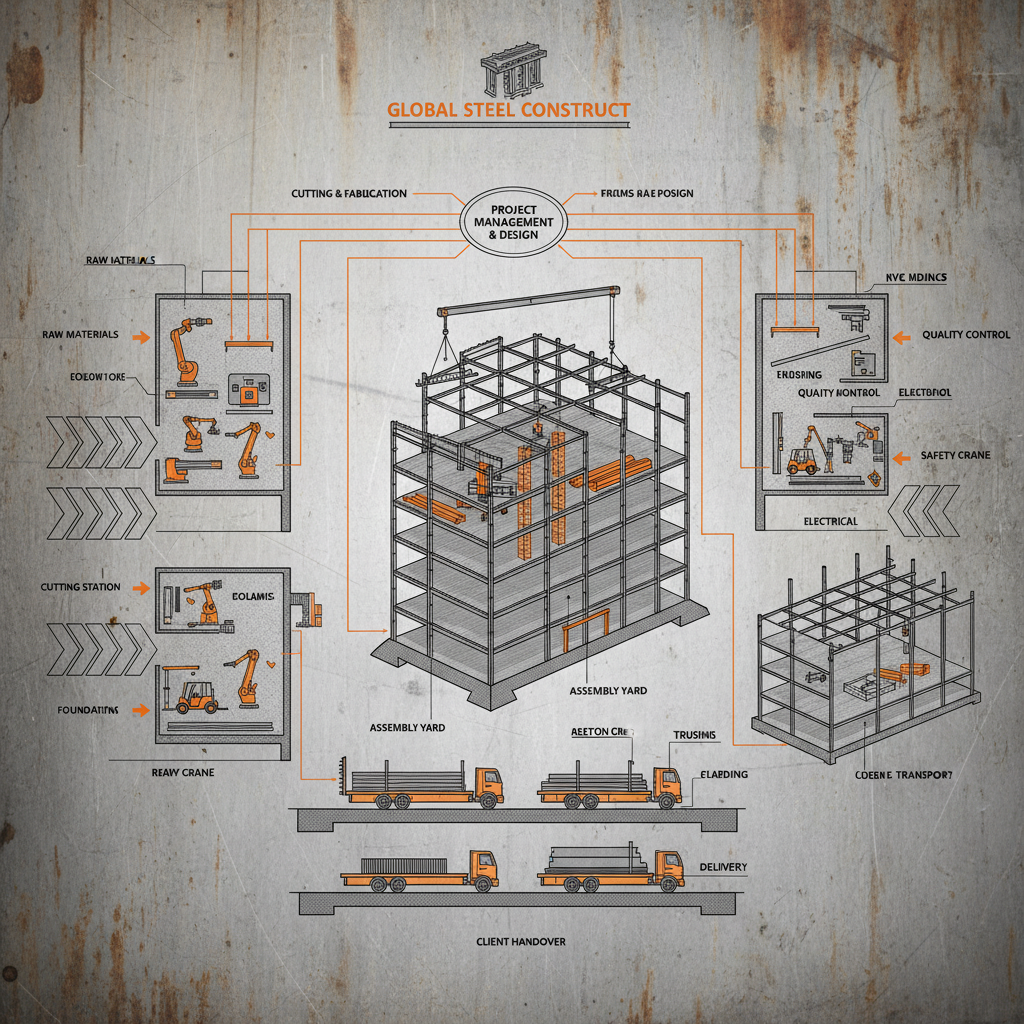
Look, I’ve spent the last fifteen years knee-deep in concrete dust and steel shavings, watching building work shop evolve from a hopeful idea to a real solution on sites all over the world. It’s not just about throwing up walls fast; it’s about fundamentally changing how we approach construction, especially in challenging environments. The demand is clear - a UN report last year estimated over 160 million people are currently displaced, needing shelter – and traditional methods simply can't keep up. We're talking about faster deployment, reduced waste, and a huge leap in sustainability.
What gets me excited about building work shop isn’t the technology itself, it’s the impact. I’ve seen firsthand how it provides dignity and stability to families who've lost everything, and offers a scalable solution for rapid infrastructure development in disaster zones. The ISO standards are catching up, recognizing the quality and safety of these systems, and that's a game-changer for wider adoption. It’s a practical shift, driven by necessity and innovation.
Frankly, the industry needs this. Costs are soaring, skilled labor is dwindling, and the pressure to build greener is immense. building work shop isn’t a silver bullet, but it's a powerful tool that addresses all three of those critical challenges. It's about smarter construction, not just more construction.
The Essence of Building Work Shop
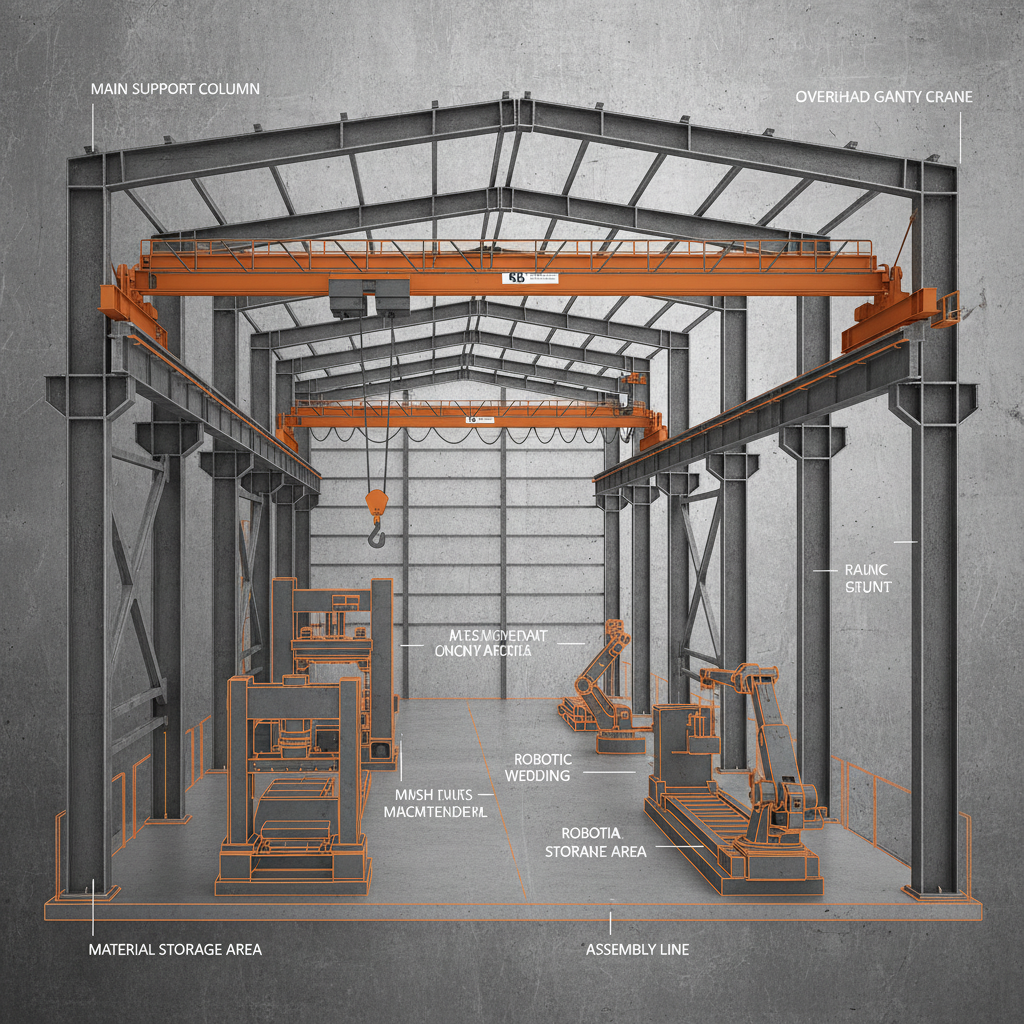
building work shop, at its core, is about efficiency and adaptability. It's about prefabrication, modular design, and bringing the factory to the site, rather than the other way around. I've seen crews cut construction timelines by 30-50% simply by switching to pre-assembled components. That’s time saved, money saved, and lives improved, particularly when you're dealing with emergency situations.
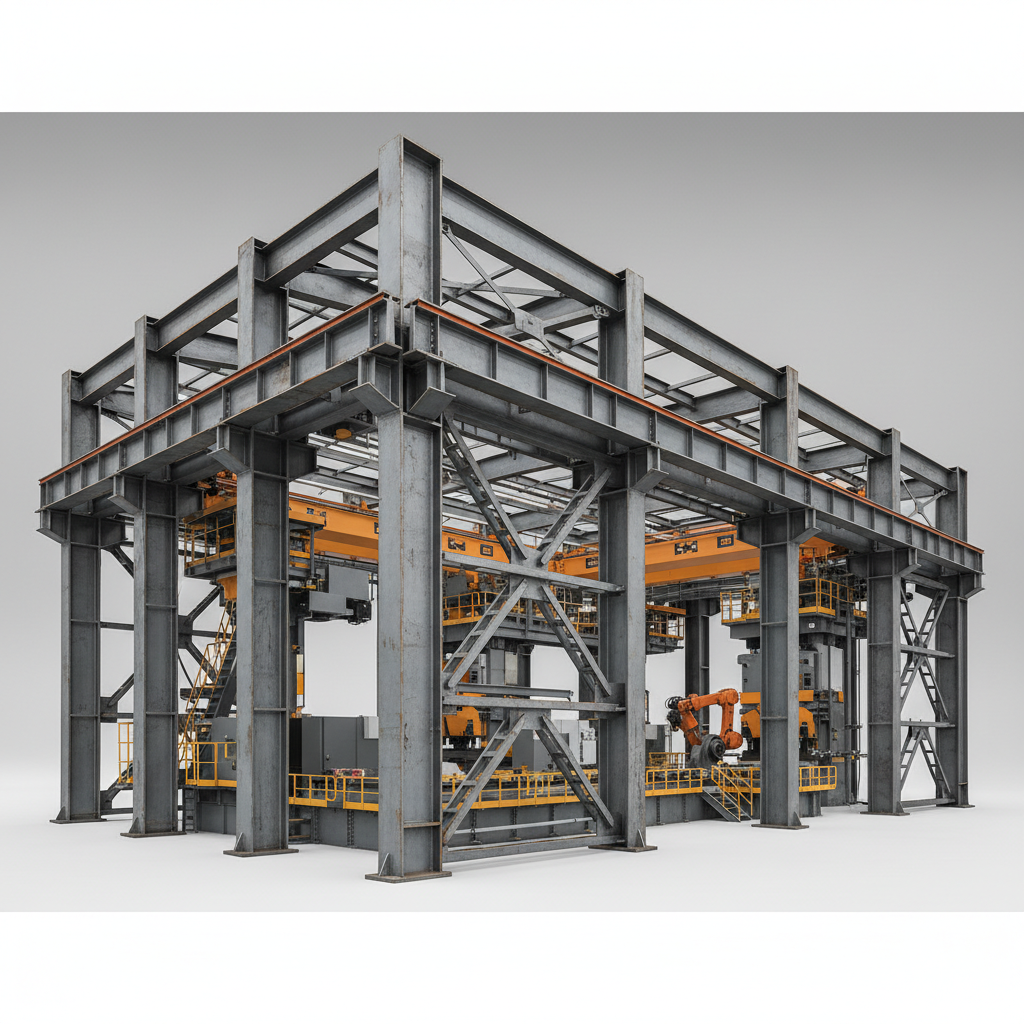
What separates a good building work shop solution from a bad one is the attention to detail in the design and the quality of the materials. You can’t just slap together a few panels and call it a building. It needs to be engineered to withstand local conditions – wind, seismic activity, temperature extremes – and built to last.
Global Relevance and Industry Challenges
The need for rapid and affordable shelter is only growing. Look at the increasing frequency of natural disasters – hurricanes, earthquakes, floods – and the resulting displacement of populations. Traditional construction methods are often too slow and expensive to meet these demands. The World Bank estimates that the global housing deficit will reach nearly 330 million units by 2030. Building work shop offers a viable solution to bridge that gap.
But it’s not just about disaster relief. There’s a huge demand for affordable housing in developing countries, and building work shop can provide a cost-effective way to address that need. We're also seeing increased interest in using these systems for remote infrastructure projects – mining camps, research facilities, temporary hospitals – where speed and portability are crucial.
The biggest challenges we face right now are standardization and regulatory hurdles. Building codes haven't always caught up with the innovation in this space, and that can create delays and uncertainty. We need more collaboration between industry professionals, government agencies, and standards organizations to streamline the approval process.
Defining Building Work Shop
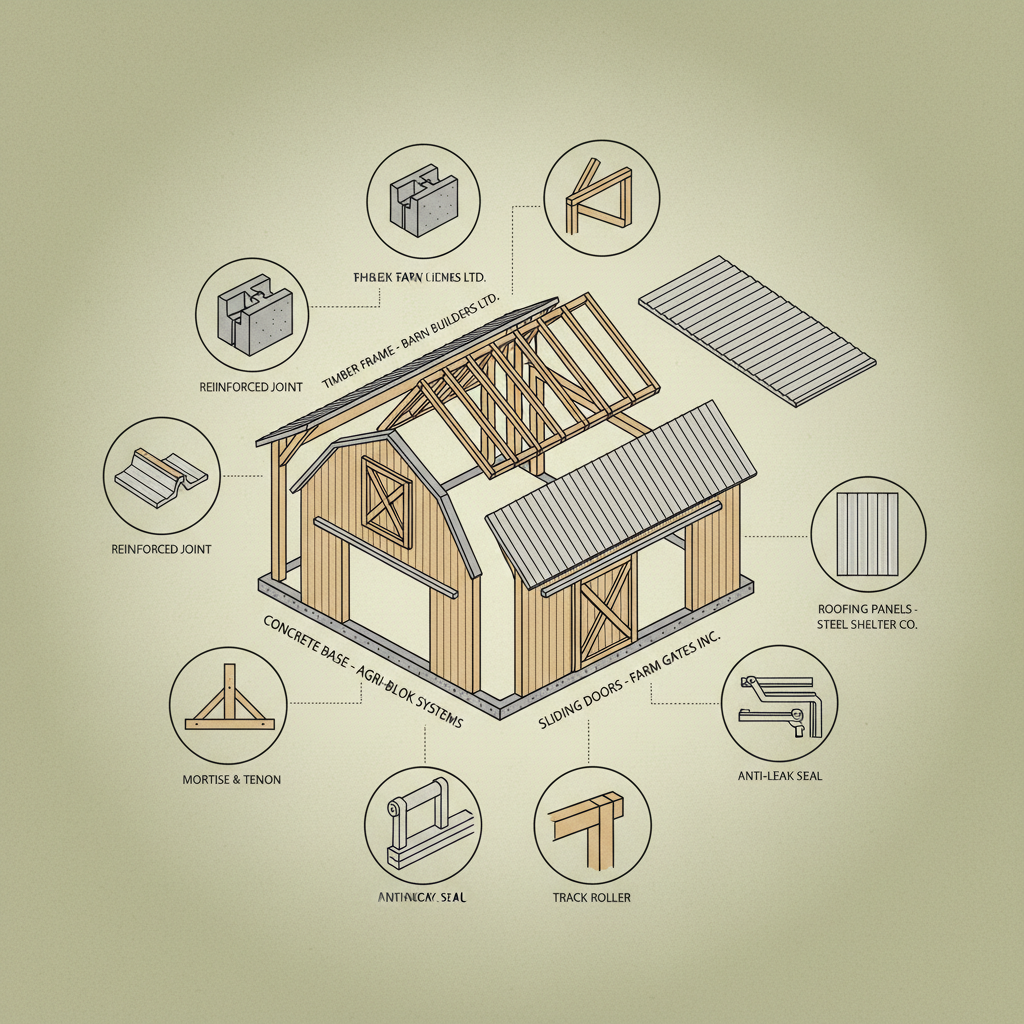
Simply put, building work shop involves constructing building elements – walls, floors, roofs – in a controlled factory environment and then transporting them to the construction site for assembly. It’s a shift from traditional “stick-built” construction, where everything is built on-site from scratch. Think of it like assembling LEGOs, but on a much larger scale.
This approach isn't new – prefabricated homes have been around for decades – but the advancements in materials, design software, and manufacturing technology have made it increasingly viable for a wider range of applications. We’re moving beyond simple “cookie-cutter” designs to complex, customized structures that meet specific needs.
The connection to modern industry and humanitarian needs is direct. It addresses the need for faster, cheaper, and more sustainable construction solutions, whether it’s building affordable housing, providing emergency shelter, or creating temporary infrastructure.
Key Factors for Success
From my experience on sites, four things really matter when it comes to building work shop. First, Durability: These structures have to withstand the elements and stand the test of time. Using high-quality materials and proper engineering is paramount. Second, Cost Efficiency: Prefabrication should reduce labor costs and material waste, but you need to carefully manage transportation and assembly expenses.
Then there's Design Flexibility: The ability to customize designs to meet specific needs is crucial. Clients don’t want generic boxes; they want buildings that are functional, aesthetically pleasing, and tailored to their requirements. Finally, Logistics and Transportation: Getting the components to the site efficiently and safely is a major challenge. You need a well-planned logistics network and experienced transportation partners.
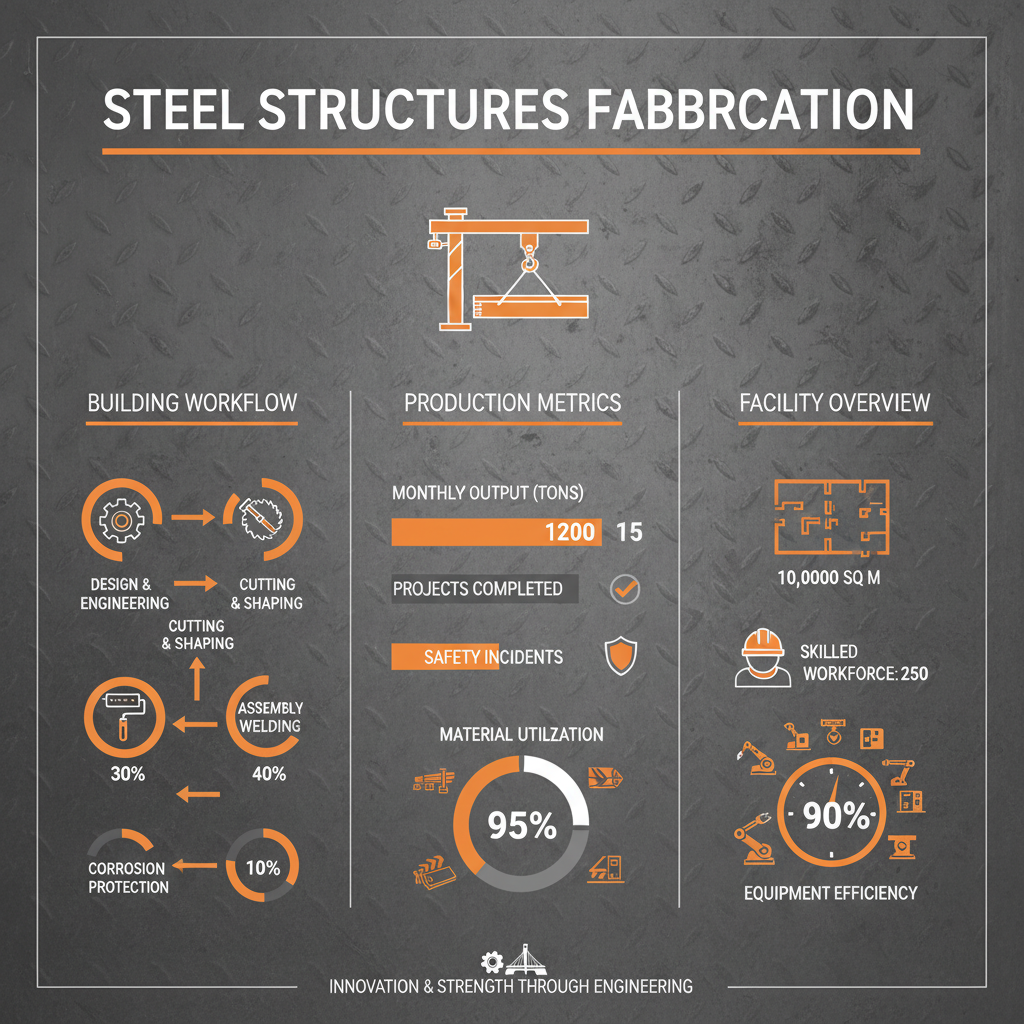
Building Work Shop Performance Metrics
Real-World Applications
I’ve seen building work shop deployed in a huge range of scenarios. In post-disaster relief operations, like after the earthquake in Nepal, these systems can provide immediate shelter for displaced communities. They're much faster to deploy than traditional tents or temporary housing. We're also seeing them used for affordable housing projects in urban areas, particularly where land is limited.
In remote industrial zones, like mining camps in Australia or oil fields in Canada, building work shop offers a cost-effective way to create temporary accommodation for workers. It's also gaining traction in the healthcare sector, with hospitals using modular buildings for emergency expansion or specialized units. And let’s not forget the potential for creating temporary schools and community centers.
Advantages and Long-Term Value
The tangible benefits are clear. Reduced construction time translates to lower labor costs. Minimized material waste reduces environmental impact. And the ability to relocate or reconfigure buildings offers long-term flexibility. But it’s more than just numbers.
Building work shop offers a sense of dignity and stability to people who've lost their homes. It provides a safe, comfortable, and weatherproof living space. It fosters innovation in design and construction. And it builds trust – trust between developers, clients, and the communities they serve.
Future Trends and Innovations
We're on the cusp of some exciting developments. The integration of green energy technologies – solar panels, rainwater harvesting systems – into building work shop designs is becoming increasingly common. Digital twins – virtual models of physical buildings – are allowing for better design optimization and remote monitoring.
Automation is also playing a bigger role, with robots being used to assemble building components in the factory. And there’s a growing focus on sustainability, with developers exploring the use of recycled and bio-based materials. I'm particularly excited about the potential of 3D printing to create customized building components on-demand.
The biggest change I foresee is the convergence of building work shop with the Internet of Things (IoT). Imagine buildings that can automatically adjust temperature, lighting, and security based on occupancy and environmental conditions. That’s the future of construction.
Summary of Key Challenges and Potential Solutions in Building Work Shop Implementation
| Challenge |
Impact on Project |
Potential Solution |
Implementation Cost (Scale 1-10) |
| Regulatory Approval Delays |
Project timelines extended, increased costs |
Proactive engagement with building code officials, pre-approval processes |
4 |
| Transportation Costs |
Reduced project profitability |
Optimized logistics, local manufacturing hubs |
6 |
| Skilled Labor Shortage |
Assembly delays, quality control issues |
Training programs, partnerships with vocational schools |
7 |
| Material Supply Chain Disruptions |
Project pauses, increased material costs |
Diversified sourcing, strategic inventory management |
5 |
| Design Customization Limitations |
Reduced client satisfaction, market appeal |
Flexible design platforms, modular component systems |
3 |
| Lack of Public Awareness |
Slower market adoption, resistance to change |
Educational campaigns, demonstration projects |
2 |
FAQS
building work shop significantly reduces construction time, lowers labor costs, minimizes material waste, and improves quality control. Because construction happens in a factory setting, it's less susceptible to weather delays and allows for more precise manufacturing. It also offers greater design flexibility and the potential for faster deployment in emergency situations. In my experience, the speed and cost savings are game-changers.
Durability depends heavily on the materials used and the quality of engineering. High-quality building work shop structures can be exceptionally durable, meeting or exceeding the standards of traditional construction. Properly designed and constructed systems can withstand extreme weather conditions, including high winds, seismic activity, and heavy snow loads. Regular maintenance is crucial, just like with any building.
In many cases, yes. While the initial cost of building work shop components may be comparable to traditional methods, the overall project cost is often lower due to reduced labor, faster construction timelines, and minimized waste. The long-term cost savings can be significant, especially when factoring in energy efficiency and reduced maintenance requirements. It really depends on the complexity of the design and the location of the project.
Transportation can be a significant logistical challenge, particularly for large or complex structures. Careful planning is essential to ensure that components are properly packaged and secured for transport. Permitting requirements for oversized loads can also add to the complexity. It's crucial to work with experienced transportation partners who understand the specific requirements of building work shop projects.
building work shop promotes sustainability by reducing material waste, minimizing site disturbance, and enabling the use of eco-friendly materials. The controlled factory environment allows for better waste management and recycling practices. It also facilitates the integration of energy-efficient technologies, such as solar panels and rainwater harvesting systems. This is a big selling point for environmentally conscious clients.
Building codes and regulations vary depending on the location. It’s essential to work with local authorities to ensure that your building work shop project complies with all applicable requirements. Many jurisdictions are now updating their codes to specifically address building work shop construction, recognizing its potential benefits. Staying informed about these changes is crucial.
Conclusion
building work shop isn’t just a trend; it's a fundamental shift in how we approach construction. It offers a faster, more efficient, and more sustainable way to build, addressing critical challenges in housing, infrastructure, and disaster relief. From my years on site, I've seen it deliver real value to communities around the world.
The future of building work shop is bright, driven by ongoing innovation in materials, technology, and design. We need to continue fostering collaboration between industry professionals, government agencies, and research institutions to unlock its full potential. If you're looking for a smarter, more sustainable way to build, visit our website to learn more: www.hongjishunda.com